iWorld
OTT players see subscription revenue as India’s future


MUMBAI: Most Indian over the top (OTT) and even traditional mediums have assumed that Indian audiences aren’t willing to pay for content. But of late, discussions have shown that monetisation is happening at a slow pace. Though the return on investment (RoI) is not for the foreseeable future, the business minds are highly optimistic that the scenario will change in the next five years.
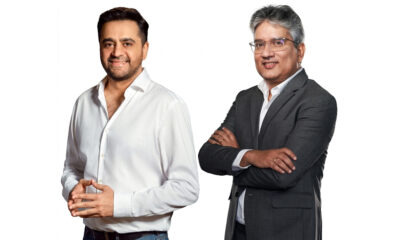
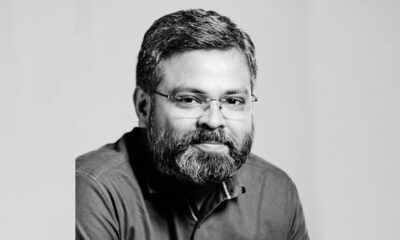
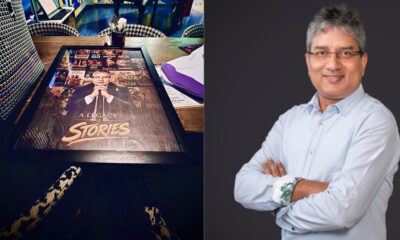
Eros Digital COO Ali Hussein, SonyLIV EVP Uday Sodhi, Syntropic Systems managing partner Alap Ghosh, Atechnos founder Apurv Modi and Hungama Digital Media VP Soumini Shridhara Paul delved on the future of the industry at an OTTv Mumbai session.
The session started with the age-old debate that Indian people don’t want to pay for content. The scenario hasn’t changed since last year’s panel.

Hussein said the main challenge is not that people don’t want to pay but whether the platforms are able to grow a habit among consumers to return. “The question is to allow the whole ecosystem to pave the way for a feasible experience for the consumers to pay,” he said.
Sodhi backed Hussein’s statement saying that everyone is paying for content in some way but it isn’t enough to allow evolution. 10 or 15 years ago, similar questions were thrown for traditional TV. He is optimistic in that next five years the scenario of the OTT industry will change too.
“In the last two to three years, significant consumption appetite has been seen. Penetration of smartphone, easy access to 4g has activated this. Now some of us are encouraged to create content as we believe that some sort monetisation is coming through,” he said.
Paul said, “When we come to down monetisation challenges, one has to look at how we can build something which is scalable.” She also thinks the quality of production makes a difference. Everybody cannot have $2 billion for content but ensuring the best product within budget is important. In spite of making some content similar, finding something different can really help.
The reasons that make consumers hesitate to pay have never been found. Ghosh mentioned three reasons. One of the reasons is that people stop paying when they finish watching what they wanted to watch. The doubt on the validity of the expense also restricts them to pay again as the consumers are habituated to pay Rs 200 for 300 channels where they don’t have to think what to watch next.
Whenever it comes to monetisation, everyone discusses subscription but it is advertising through which significant money can come through and that depends on good content. Going forward, revenue from both subscription and advertising will increase as the market will mature. As advertising is itself a complex ecosystem, there are bigger challenges for AVOD model to make money.
While Modi said that there is enthusiasm from advertisers to engage in OTT platforms, Ghosh thinks that in the urge to be across platforms they choose to be on one or two select platforms like YouTube, Hotstar to create interest among viewers.
Moreover, strategic partnerships for distribution also leave an impact to reach more consumers leading to better scaling as well as subscriptions.
While monetisation has been the key challenge to Indian OTT industry, there are new avenues which can help to overcome the challenge. It’s important for the ecosystem to be able to allow growth of both advertising and subscription based models. The increased attention on statistics from optimising data can help the players to understand what is working and what needs to be changed to retain consumers.




iWorld
Samay Raina returns with Still Alive, confronts 2025 controversy in bold comeback special
Comeback set tackles controversy, blending humour with raw storytelling
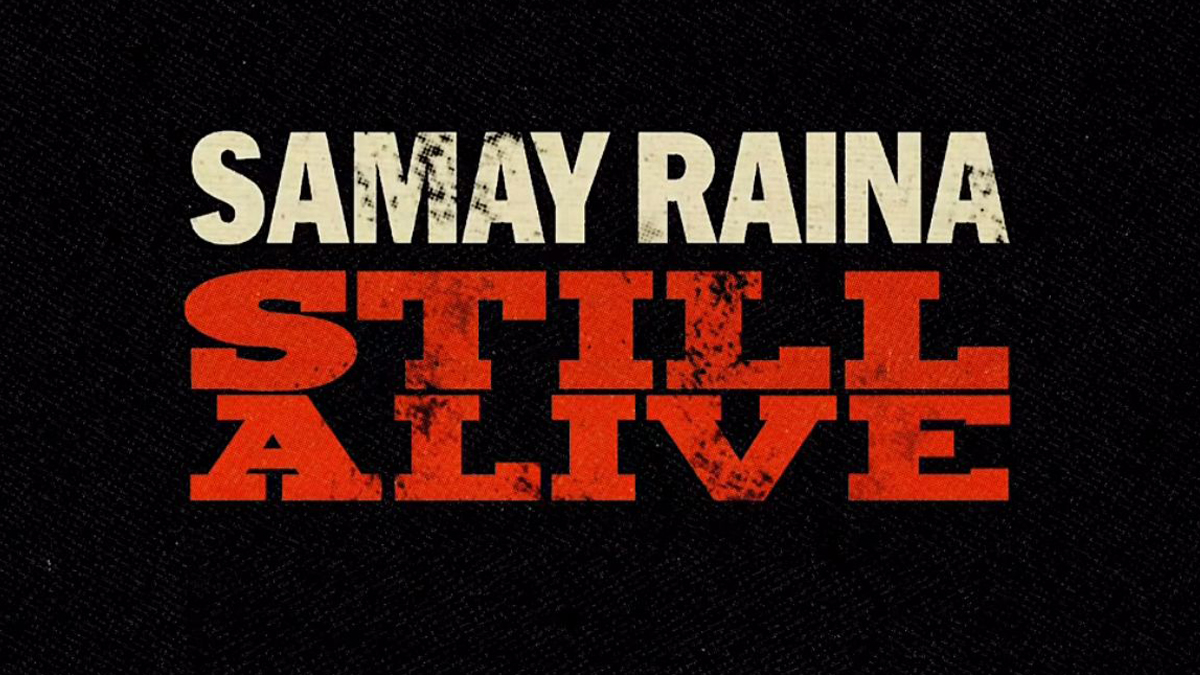
MUMBAI: Samay Raina is set to release his new stand-up comedy special, Still Alive, on YouTube on April 7, 2026, marking a high-profile return following a turbulent year.
The trailer for the special dropped on April 5, offering a glimpse into what Raina describes as a raw and unfiltered set that leans as much on honesty as it does on humour.
Positioned as a comeback of sorts, Still Alive draws heavily from the controversy surrounding his show India’s Got Latent in early 2025. The episode led to legal trouble, multiple FIRs, and a lengthy six-hour interrogation by the Maharashtra Cyber Cell, placing the comedian at the centre of intense public scrutiny.
Rather than sidestep the episode, Raina leans into it. The special reflects on the fallout and his personal journey through it, blending observational comedy with moments of emotional candour. Early audience feedback from live performances suggests the tone is less about rapid-fire punchlines and more about storytelling with bite.
The special was filmed during his global Still Alive & Unfiltered tour, which ran from August 2025 to early 2026. The tour saw Raina perform across major international venues, including the Madison Square Garden Theatre in New York, a milestone that places him among the youngest Indian comedians to take that stage.
The title itself signals resilience. “Still Alive” is a nod to navigating both legal and public backlash while choosing to remain unapologetically authentic, a theme that appears to anchor the set.
With the special set to premiere online, all eyes are now on how audiences respond to a performance that promises equal parts reflection and wit. For Raina, the message is clear. He is not just back, he is ready to be heard on his own terms.






