iWorld
OTT aggregator PlayboxTV onboards ZEE5 and SonyLIV


Mumbai: OTT aggregator app PlayboxTV which allows viewers to watch multiple OTT platforms and Live TV under one roof has brought onboard ZEE5 and SonyLIV to enhance its proposition.
A collaborative effort between Next Trillion Technologies and Microscan Infocommtech, PlayboxTV positions itself as a one-stop destination for wholesome entertainment, bundled up in subscriptions starting at Rs 129. It is accessible on TV as well as on mobile devices. In the absence of a Smart TV, PlayboxTV set-top box can be used to avail the same services on television sets. It customises content recommendations based viewers’ viewers’ interests and choices. Playbox TV has a collection of 100,000 movies, over 350 live TV channels, multiple originals and popular shows, according to the official statement.
Commenting on the collaboration, Playbox TV founder and CEO, Aamir Mulani said, “I am truly excited about these collaborations that aim to revolutionise the OTT space. We are trying to adapt and evolve according to the rapidly changing needs of the consumers, who are now in search of a single OTT aggregator to consolidate and bundle their favourite OTT platforms into a simple yet accessible application. We at PlayboxTV believe that connecting movie lovers to their favourite content is of utmost significance and that is how we will be able to stand out in the fast-progressing OTT industry. The ecosystem is evolving, and hence consolidating and bundling is the way forward for an affordable viewing experience.”

ZEE5 head of alliance and partnerships, Vivek Arora, added, “ZEE5 is excited to partner with PlayboxTV and unlock a completely new audience demographic who can now enjoy our best-in-class stories. Value-driven partnerships have always been important to us and this association with PlayboxTV aligns with our larger goal of harnessing the power of ISPs hyper-local presence with ZEE5’s diverse content library to democratise entertainment for millions of individuals across the country.”
“At SonyLIV, we are consistently making efforts and committing resources to build a great personalised experience for our users. This partnership with PlayboxTV enables us to further expand our consumer footprint to wider pop-strata and bring millions of new users onto the digital content platforms. The audience is always on the lookout for good and wholesome entertainment and this association will enable them to consume a wide range of SPNI content in a familiar environment,” remarked SonyLIV, head – growth & monetisation, digital business, Manish Aggarwal.







iWorld
Bill Ackman’s Pershing Square makes $64 billion bid to acquire Universal Music Group
Ackman pitches NYSE relisting plan as UMG board weighs unsolicited offer
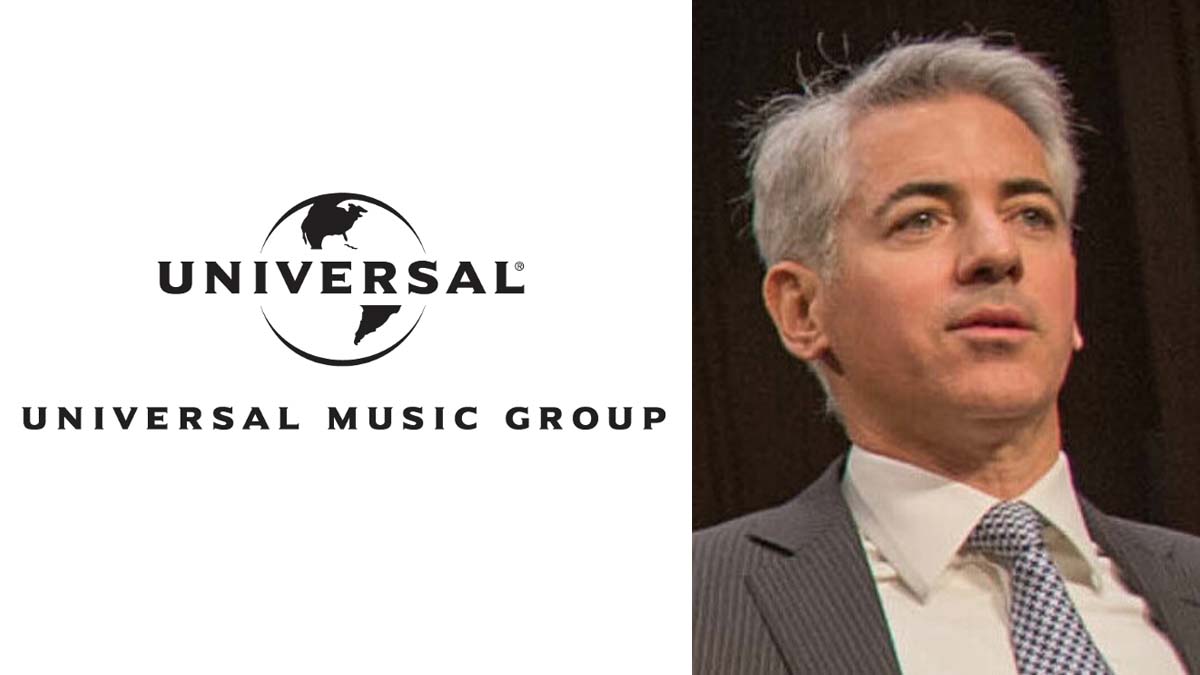
The hedge fund has proposed a business combination that values UMG at €30.40 per share, representing a hefty 78 per cent premium to its current trading price. The offer includes €9.4 billion in cash alongside stock in a newly formed entity, with shareholders set to receive €5.05 per share in cash and 0.77 shares in the new company for each UMG share they hold.
Under the proposal, UMG would merge with Pershing Square SPARC Holdings Ltd and re-emerge as a Nevada-based entity listed on the New York Stock Exchange. The move is designed to boost investor visibility and potentially secure inclusion in major indices such as the S&P 500.
Pershing Square Capital Management ceo Bill Ackman argued that while UMG’s operational performance remains strong, its market valuation has lagged due to external factors. “UMG’s stock price has languished due to a combination of issues that are unrelated to the performance of its music business,” Ackman said, pointing to concerns ranging from shareholder overhang to delayed US listing plans.
Ackman also flagged what he sees as untapped potential in UMG’s balance sheet and a lack of clear capital allocation strategy. He added that the market has not fully recognised the value of UMG’s €2.7 billion stake in Spotify, alongside gaps in investor communication.
The proposed transaction would also result in the cancellation of around 17 per cent of UMG’s outstanding shares, while maintaining its investment-grade balance sheet. Pershing Square has said it will fully backstop the equity financing, with debt commitments secured at signing. The deal is targeted for completion by the end of the year.
UMG, however, has struck a measured tone. The company confirmed that its board has received the non-binding proposal and will review it with advisers. It reiterated confidence in its current strategy and leadership under Lucian Grainge, signalling no immediate shift in stance.
The proposal comes at a time when global music companies are navigating evolving investor expectations, streaming economics and capital allocation pressures. For Pershing Square, the bet is clear: sharpen the financial story, relist in the US, and let the music play louder in the markets.
Whether UMG’s board is ready to change the tune remains to be seen, but the spotlight on its valuation just got a lot brighter.






