Cable TV
No delay in DAS Phase III deadline, stop gap agreements allowed till TRAI draws up formal format

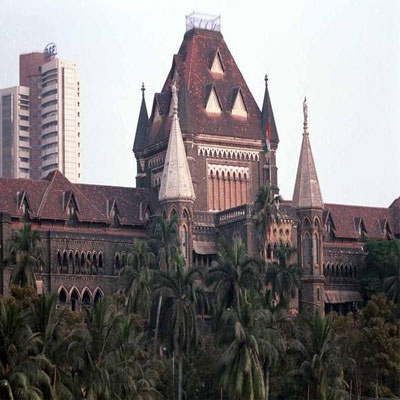
NEW DELHI: The Bombay High Court has directed that local cable operators (LCOs) should be allowed to execute draft model standard interconnection agreement as a stop gap arrangement in view of the approaching deadline of Phase III of Digital Addressable System (DAS).
In an order by Justice V. M. Kanade and Justice Revati Mohite Dere, which came shortly after another judgment by the Court declining to stay the DAS Phase III deadline, it was said that the Registration Authorities will give full cooperation for registration of the agreements. The Court clarified that the parties should execute an agreement but registration of the same may not be done immediately.
The Court directed the Telecom Regulatory Authority of India (TRAI) to finalise the draft in accordance with the request made by the LCOs and multi system operators (MSOs) by the next date, 4 January “so that in future a standard format of the agreement can be executed between MSOs and LCOs throughout the country.”
In the petition filed by the Maharashtra Cable Operators Federation (MCOF) against the TRAI and some MSOs, the judges said the agreements to be executed between the parties will be subject to further negotiation, which is going on between the parties and subject to further orders and directions given by the Court in respect of some of the clauses mentioned in the said agreement.
The Court kept open all other contentions of the petitioner MCOF and the respondents.
Reiterating that it was not necessary to postpone the deadline of 31 December, the Court said the MSOs will “forthwith supply the Set Top Boxes (STBs) to the local cable operators upon the payment of the costs of the STBs and licence fees as per the agreement.”
It said MSOs and LCOs will ensure that all the customers will get the STBs in time and “if necessary, they will work overtime – day and night – for supplying these Set Top Boxes before 31 December 2015.”
The application filed by India Broadcasting Foundation (IBF) to intervene was allowed. MCOF was asked to add IBF as Party Respondents and also supply the copy of the petition and other necessary documents.
While Mumbai and some other cities of the state have been covered in the first two phases, several cities have been listed for the third phase.