News Broadcasting
News Nation launches new show ‘Desh Ki Bahas’

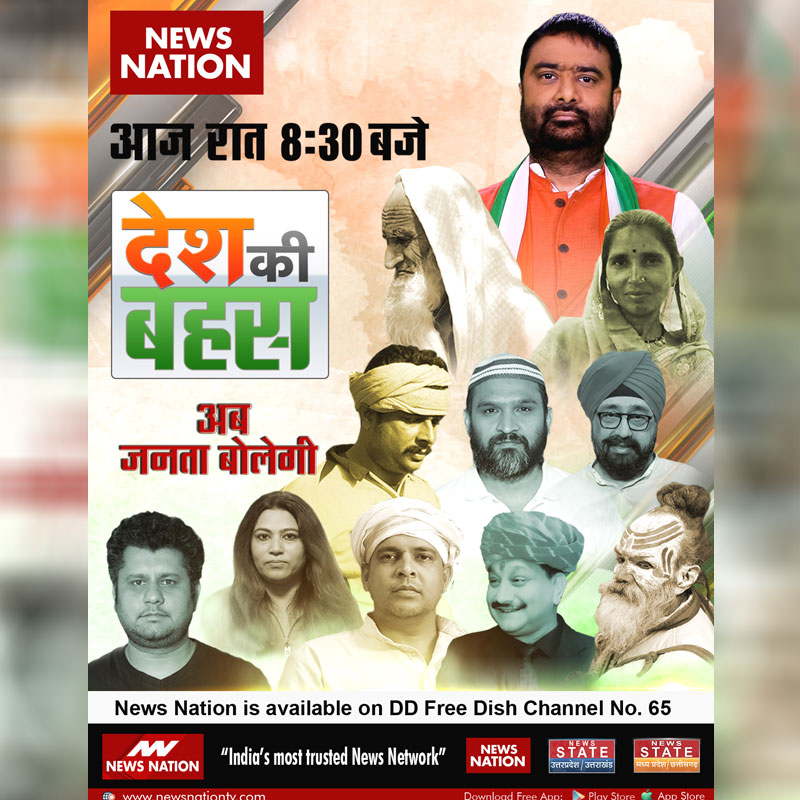
News Nation has launched a brand new show “Desh ki Bahas” which started on 15th June’20. The show is anchored by veteran journalist Mr. Deepak Chaurasia. It’s a one and half hour show from Monday- Friday and claims to be a platform for the most relevant issues of the day. The USP of the show is “AB JANTA BOLEGI” – the people of the country will decide as to what issues, questions, suggestions need to be discussed in the show. The show is a highly interactive show where-in phone lines, sms, whatsapp , Facebook, Twitter , web handles are open for public to send their suggestions for discussion and the most weighed issue is set as agenda of the show to be discussed with renowned politicians, social workers ,ex-army chief, top cops and different experts of their field. The first episode focused on 'Mewaaat Hindu Conversion'. The channel claimed that the show created ripples in the political circles of both current and past ruling parties of the region and officials of the region had already swung into action.
The channel claimed that on the first day of launch the show trended in Top 6 India trends on Twitter and there was an increase of more than 500 % in engagement on various social platforms like Facebook, Twitter etc apart from receiving huge number of suggestions.
In order to ensure mass reach of the show , channel is doing a high decibel marketing activity across various genres like Hindi movies, Hindi music, regional news particularly in HSM belt focusing in markets of Punjab, Haryana, UP-UK, MP-CG ,Maharashtra , Bihar/Jharkhand, Rajasthan. The channel has roped in various DPOs like DEN, Fastway, Dish TV, Videocon D2H, UCN, Digiana for branding options as well like EPG, volume bar etc.

Looking at the massive participation of viewers , the channel is optimistic that the show will create new benchmarks in viewership.






News Broadcasting
CNN-News18 to host Fury in the Gulf conclave on West Asia crisis
Three-hour summit to unpack geopolitical fallout and impact on India
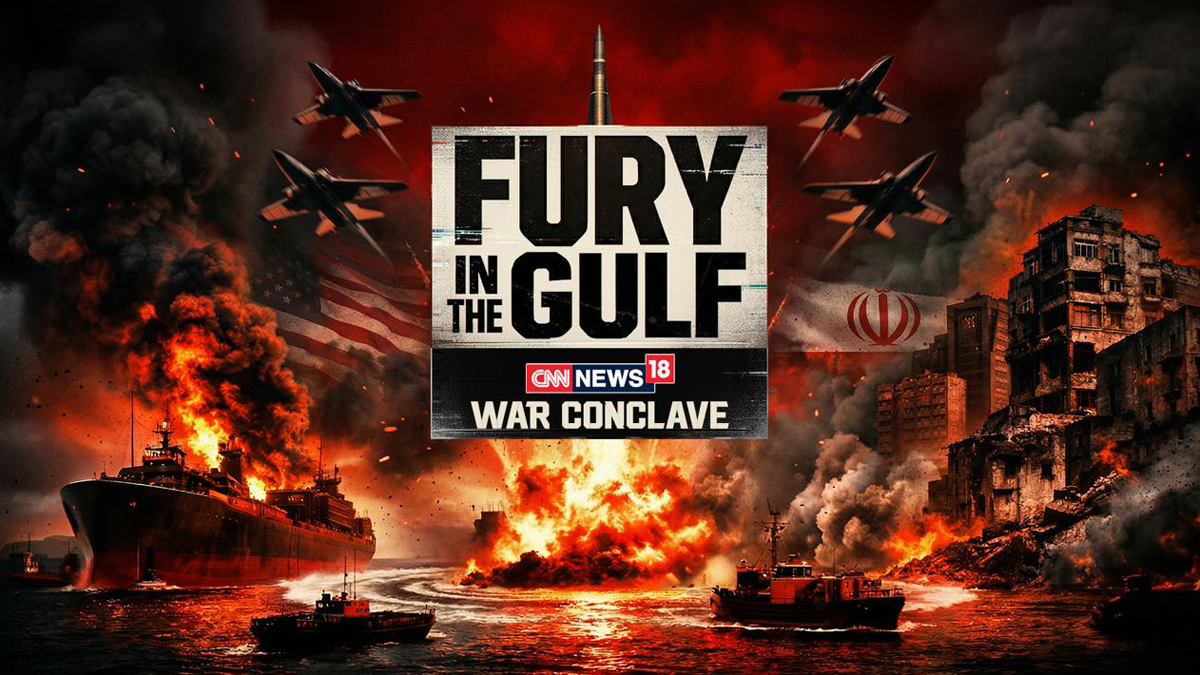
MUMBAI: CNN-News18 is set to host a special three-hour broadcast, Fury in the Gulf – War Conclave, on April 7, aiming to decode the escalating West Asia crisis and its far-reaching implications for India.
Scheduled from 4:00 PM to 7:00 PM, the conclave comes at a time when tensions between Iran and the United States are reshaping global geopolitics and triggering economic uncertainty. With India’s deep energy ties, trade links and large diaspora in the Gulf, the developments carry significant domestic relevance.
Built around the theme ‘Conflict, Consequences, and The Future,’ the programme will feature six curated sessions combining one-on-one interviews and panel discussions. The focus is to cut through the clutter and offer viewers a clearer understanding of the fast-evolving situation.
Key sessions include ‘Diplomacy in Times of War’ featuring Shashi Tharoor, and ‘World After the Iran Conflict’ with voices such as Ram Madhav, Reuven Azar, representatives from the European Union and the Iranian Deputy Envoy. Another session titled ‘Another Dunkirk?’ will bring together K. J. S. Dhillon and Jitin Prasada among others.
CNN-News18 editorial affairs director Rahul Shivshankar said, “In times of war, clarity becomes the most powerful tool. Fury in the Gulf – War Conclave brings together credible voices to address the questions and confusion that arise amid an overwhelming influx of information.”
He added that the initiative is aimed at delivering “facts, perspective, and insight” at a time when misinformation can easily cloud public understanding.
Echoing the sentiment, CNN-News18 CEO– English and business news Smriti Mehra said the conflict marks a defining global moment, with consequences that extend well beyond the region. She noted that the conclave seeks to present the crisis with “depth, nuance and responsibility” so audiences can better grasp its real-world impact.
As geopolitical tensions continue to dominate headlines, the conclave positions itself as an attempt to bring order to the noise, offering viewers a structured, insight-led look at a complex and rapidly shifting global situation.






