iWorld
Netflix, Sony Pictures strike first-of-its-kind global Pay-1 deal

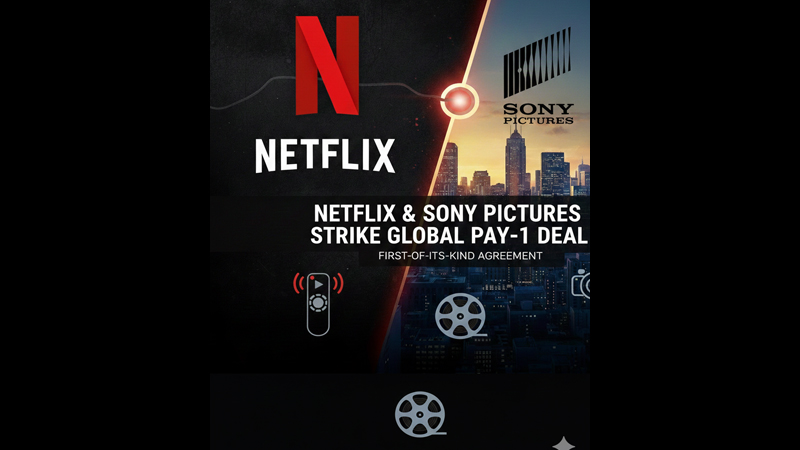
CALIFORNIA: Netflix has struck a landmark global Pay-1 licensing agreement with Sony Pictures Entertainment, securing exclusive worldwide streaming rights to Sony’s feature films after their full theatrical and home entertainment runs. The deal marks the first time a Pay-1 window has been locked in on a truly global basis.
Under the multi-year agreement, Sony’s films will roll out on Netflix territory by territory from later this year, with full global availability expected by early 2029 as existing rights expire. Netflix will also license selected Sony feature film and television library titles as part of the package.
Netflix already holds Pay-1 rights to Sony films in several markets, including the United States, Germany and parts of Southeast Asia. Titles under the current arrangement include Uncharted, Spider-Man: Across the Spider-Verse, It Ends With Us, Anyone But You and Venom: The Last Dance.

“Our members all over the world love movies and giving them exclusive access to Sony’s much loved films adds incredible value to their subscriptions,” said Lauren Smith, vice president of licensing and programming strategy at Netflix. “Sony’s impressive slate of iconic film franchises like Spider-Man: Across the Spider-Verse and originals like Anyone But You have been popular with our US audience and now we’re excited to expand that offering to our members all around the world.”
Sony said the agreement deepens a partnership that has already proved lucrative while preserving its studio independence.
“Our partnership with Netflix has always been incredibly valuable,” said Paul Littmann, evp of global distribution at Sony Pictures Television. “This new Pay-1 deal takes that partnership to the next level and reinforces the enduring appeal of our theatrical releases to Netflix’s global audience. It also further underscores the strength of our independence and unique ability to create meaningful opportunities that benefit our creative stakeholders, consumers and world-class partners.”
Early films slated to land on Netflix under the new deal include The Nightingale, the adaptation of Kristin Hannah’s novel starring Dakota and Elle Fanning; Sony Pictures Animation’s Buds; Nintendo’s live-action The Legend of Zelda; Spider-Man: Beyond the Spider-Verse; and Sam Mendes’ quartet of Beatles films.
For Netflix, which counts more than 300 million paid memberships worldwide, the agreement bolsters its film slate at a time when competition for premium studio content is intensifying. For Sony, it locks in a global streaming home without building one of its own.
In an industry obsessed with windowing and territory carve-outs, the deal redraws the Pay-1 map. Netflix gets global scale. Sony keeps its independence. Hollywood’s old rules just got a little looser.






iWorld
OpenAI hits back at Elon Musk’s lawsuit ahead of trial
Company calls claims “baseless” and accuses Musk of trying to disrupt a rival.
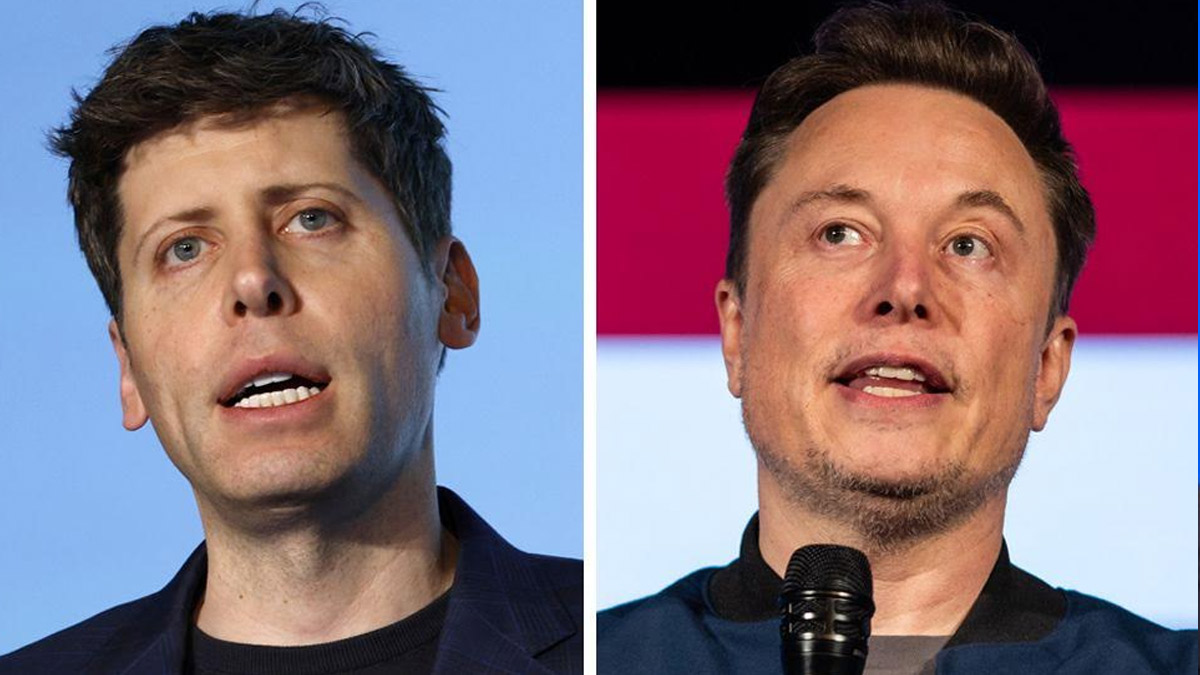
MUMBAI: When the stakes are measured in billions and egos are involved, even Silicon Valley titans can turn a courtroom into a battlefield. OpenAI has issued a sharp public response to Elon Musk’s ongoing lawsuit, accusing the billionaire of filing the case to harass a competitor rather than address genuine concerns. In a strongly worded statement shared on its official X account, OpenAI described Musk’s allegations as “baseless” and suggested the lawsuit is an attempt to disrupt the company as the case heads toward trial later this month in Oakland, California.
The response comes after Musk’s legal team recently amended the complaint, proposing that any damages potentially exceeding $150 billion should go to OpenAI’s nonprofit entity rather than to Musk personally. OpenAI questioned the timing and motive behind this change, calling it a late-stage attempt to “pretend to change his tune” on the nonprofit structure.
The company further labelled the lawsuit a “harassment campaign”, arguing that Musk’s actions are driven by personal rivalry, ego, and a desire for greater control and financial upside.
At the heart of the dispute is Musk’s claim that OpenAI has abandoned its original nonprofit mission of developing artificial intelligence for the benefit of humanity. A co-founder who left in 2018, Musk is seeking governance changes, including the removal of CEO Sam Altman from the nonprofit board, and the return of certain financial gains linked to Altman and President Greg Brockman.
OpenAI has firmly rejected these allegations, maintaining that its current hybrid structure, a public-benefit corporation overseen by a nonprofit parent remains true to its long-term goals. The company has also previously accused Musk of anti-competitive behaviour aimed at weakening its leadership.
As the case prepares for a jury trial, this public exchange highlights the deepening rift between two of the most influential figures in the AI revolution and raises broader questions about governance, mission, and power in the fast-moving world of artificial intelligence.
In the high-stakes game of AI, it seems the real drama isn’t just inside the models, it’s playing out in courtrooms too.






