iWorld
Netflix makes up 15% of total downstream traffic on global internet

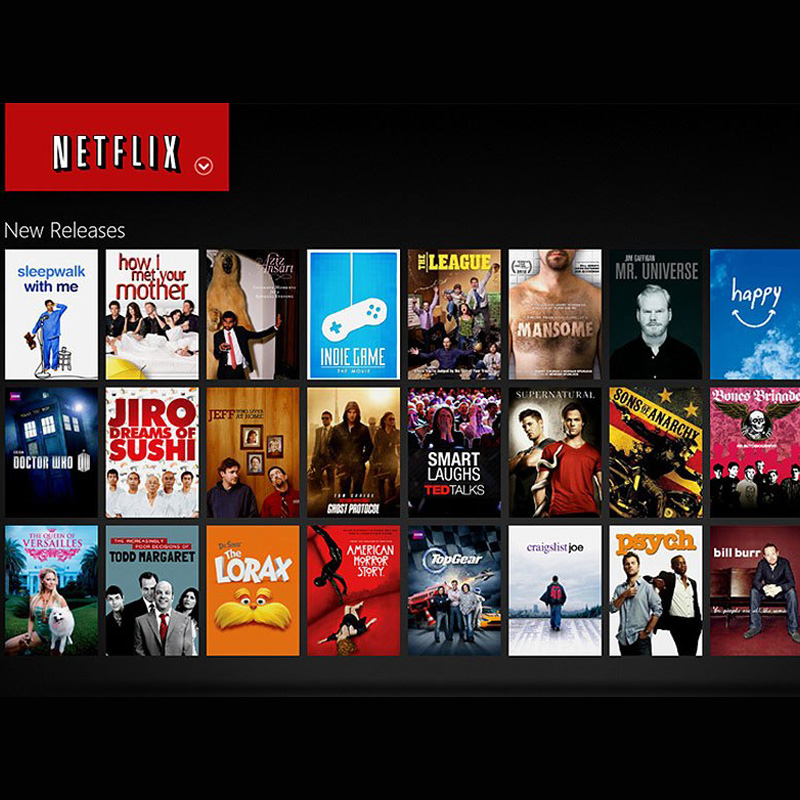
MUMBAI: The world’s largest over-the-top (OTT) player, Netflix, makes up 15 per cent of the total downstream volume of traffic across the entire internet, according to The Global Internet Phenomena reports by Sandvine released in October 2018. The reports customer base represents over 150 T1 and T2 global network operators and the solutions touch over 2.1 billion internet subscribers worldwide which does not include significant data from either China or India.
This edition combines fixed and mobile data into a single comprehensive view of internet traffic across all network types.
Video is still dominant with almost 58 per cent of overall downstream traffic, despite operators more aggressively managing video traffic. The reports from previous years highlighted that Netflix, YouTube, Facebook and BitTorrent were the biggest historical traffic sources. All of the applications are still big players, but the internet landscape has significantly diversified; regional variations are showing up throughout this report. A conservative estimate of the data shows that over 50 per cent of the traffic on the internet is encrypted and the adoption of Transport Layer Security (TLS) 1.3 has grown (showing a shift to a more secure protocol than Secure Sockets Layer (SSL).

The global application category traffic share have video streaming, web and gaming on top application type on the internet. As web and video traffic dominate, Netflix is the top video site in the world.
Sandvine CEO Lyn Cantor said, “The foundation of our business model is being ‘the best’ telco network data analytics company with use cases that help our customers understand, optimise and manage subscriber quality of experience (QoE).”
Amazon Prime service has been a huge market success according to the report, and Prime Video has been increasing its footprint not only in the US, but is now available in 200 countries worldwide and is increasing its share of global traffic.
YouTube is at the third position when it comes to global application traffic share and still the dominant video streaming application consumed on mobile. Netflix takes the lead due to sheer volume in fixed networks as well as higher resolution videos being the norm. YouTube benefits from being the most commonly “embedded video on other sites, including Facebook.
Sandvine VP marketing Cam Cullen said, “With the attention of both consumers and network operators focused on network quality, it is more important than ever for operators to understand how their bandwidth is being consumed.”





iWorld
JioHotstar enters micro-drama space with 100 shows under Tadka banner
Short-form push targets 300M users as content meets commerce in new format
MUMBAI: JioStar has made a bold play in India’s fast-growing micro-drama space, rolling out over 100 short-form shows under its new Tadka banner on JioHotstar, timed with the massive viewership surge of the Indian Premier League 2026.
The scale of the launch signals clear intent. Rather than testing the waters, the company has dived in headfirst, releasing a wide slate of content on day one. Each show is designed for quick consumption, with episodes running 60 to 90 seconds in a vertical format tailored for mobile-first audiences.
The move comes as India’s micro-drama market, currently valued at around $300 million, is projected to grow tenfold to over $3 billion by 2030. Globally, the format has already proven its mettle, with China’s micro-drama sector recording explosive growth in recent years.
What sets this rollout apart is its built-in monetisation strategy. The shows are free to watch and ad-supported, with brand integrations woven directly into storylines from the outset. It reflects a broader shift where content and commerce are increasingly intertwined, rather than operating in silos.
The timing is equally strategic. With more than 300 million users already tuning in for IPL action, JioHotstar is effectively turning cricket’s biggest stage into a discovery engine for its new format.
The company is not entering an empty arena. Early movers like Kuku TV, MX Player and platforms backed by Zee Entertainment Enterprises have already laid the groundwork, building audiences and validating demand for snackable storytelling.
Now, with scale, distribution and advertiser interest aligning, the big players are stepping in. For JioStar, Tadka may well serve as a proving ground for the next evolution of digital entertainment, where every minute counts and every second sells.
If the bet pays off, India’s next big content wave might just arrive in under 90 seconds.






