Gaming
National Video Game Day 2024: Indian esports’ mainstream breakthrough and Olympics aspirations

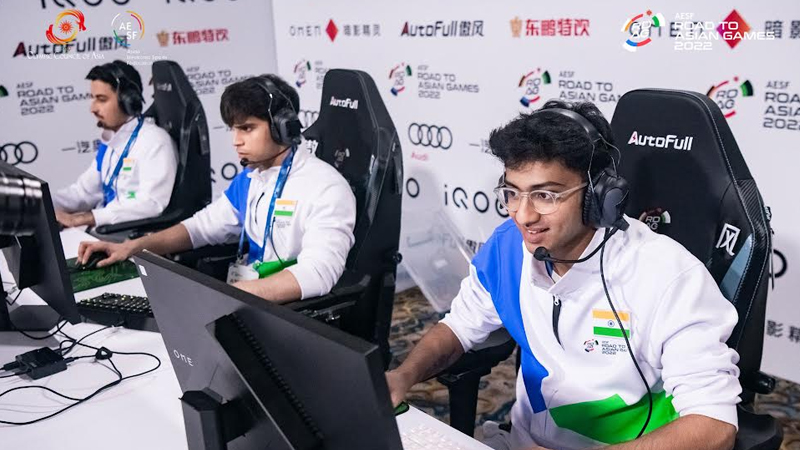
Mumbai: The video gaming and esports industry in India has witnessed a meteoric rise in the last few years. With a rapidly growing audience and player base, the industry has commanded attention from brands and investors alike.
According to a FICCI-EY report, total esports tournament participation is projected to reach 2.5 million participants across various titles, compared to 1.79 million in 2023. Additionally, airtime for esports broadcasts is set to increase to 8,000 hours from 6,500 in 2023, with a rising average minute audience.
Tournaments such as the Battlegrounds Mobile India Masters Series (BGMS) have recently announced their third straight season being broadcast on a mainstream sporting network, changing the way esports is consumed and marking a significant milestone in the sector’s acceptance. India’s participation in major multi-sport tournaments such as the Commonwealth Esports Championships 2022, where the nation’s DOTA 2 team won bronze, and the Asian Games 2022 where esports debuted as a full-fledged medal sport, has further validated its competitive stature.

While states such as Bihar, Uttar Pradesh, Madhya Pradesh, Gujarat, and others are undertaking various initiatives for the development of esports, the country’s honourable prime minister has also advocated for the growth of the sector. With the International Olympic Committee (IOC) also set to discuss the creation of the Olympic Esports Games during the upcoming Paris Olympics, the future looks bright for esports in India.
Sharing his thoughts on the evolution of esports from a pastime hobby to a mainstream sport and form of entertainment, NODWIN Gaming co-founder and managing director Akshat Rathee stated, “More than a decade back, gaming was nothing but a hobby of a few passionate gamers, with small groups of them organising scattered community competitions across the country. We started NODWIN Gaming in 2014 to streamline esports in India with a vision to bring opportunities for video gaming enthusiasts throughout the country. Looking at the scenario today, we can indeed say India has come a long way. The industry has gained immense popularity and legitimacy among the masses, attracting interest from celebrities, brands, corporates and traditional sporting organisations alike. We will continue to contribute to this growing ecosystem and try to further shine the deserving limelight on gaming and esports. In the near future, we envision esports getting the same mantle as traditional sports, especially with the IOC announcing plans to create Olympic Esports Games and we, along with the Global Esports Federation, are honoured to work alongside the industry stakeholders to achieve that common vision!”
In addition to gamers and gaming creators, Indian game developers are also making significant strides with games inspired by the country’s rich culture and mythology. Games like ‘Ludo King’ which recently surpassed 1 billion downloads, and ‘Raji: An Ancient Epic’ exemplify this trend.
Another promising upcoming title that highlights the potential of homegrown developers is the Indo-futuristic ‘Indus Battle Royale’. Developed by Pune-based SuperGaming, the game has recently surpassed 11 million pre-registrations.
“Over the past decade, India’s gaming industry has transformed from a niche pastime into a mainstream entertainment medium. The surge in mobile gaming, fueled by the high number of smartphone users in the country, has made gaming more accessible to a wider audience, driving the industry’s growth. The creativity and innovation brought in by Indian game developers have produced unique and culturally rich gaming experiences, earning international recognition that has placed India firmly on the global gaming map,” commented SuperGaming CEO and co-founder Roby John.
Despite India being predominantly a mobile-first gaming nation due to high data penetration and affordable smartphones, there has been a noticeable surge in interest in PC gaming. Beyond hardcore gamers, PCs are increasingly utilized by gaming creators and streamers for content creation and editing. The rise of the creator economy indirectly fuels the growth of the gaming PC ecosystem in India.
Recent data from Valve highlights that Asia, including India, is one of the fastest-growing regions for Steam users, with a more than 150 per cent increase in new users from 2019 to 2024. CyberpowerPC, the number one gaming PC manufacturing brand in North America which recently forayed into the Indian market promises to cater to this growing demand and create an overall thriving ecosystem that caters to diverse gaming preferences.
Highlighting the factors that will accelerate the rise of PC gaming in the country, CyberPowerPC India COO Vishal Parekh said, “The growth of gaming in India, evolving from arcades and gaming cafes to an official sport, is remarkable. While mobile serves as an entry point for gamers entering the ecosystem, the shift towards more immersive experiences on larger screens is becoming inevitable. Additionally, PC-based esports titles prominently featured in major sporting tournaments highlight the importance of gaming PCs for grassroots development and achieving success in these events. At CyberPowerPC, we are excited to support the country’s growing PC gaming community and give them an immersive experience along with a competitive edge.”
Another monumental trend catapulting video gaming into the mainstream is leading streaming and social media platforms increasingly embracing gamification as a strategy to engage users and attract new audiences. Facebook, Netflix, YouTube, Amazon, Google Pay, Zomato, and LinkedIn have all integrated gamification features to tap into a massive and engaged audience.
“I have been a part of the gaming and esports industry for over a decade and it is fascinating to see how the industry has evolved and grown over these years. For example, esports was a niche, limited to a few people and now it is on its way to be integrated as a new-age sport. Today, gamers of all ages and backgrounds have become active contributors to the sector’s growth, and it is amazing to see how gaming has cemented its place in mainstream culture. Through movies, TV series adaptations and gamification via social media platforms, delivery apps as well as streaming platforms, it has become an integral part of our everyday lives, which was almost unimaginable till a few years back. This momentum is only going to grow, and the future of gaming in India looks incredibly bright. Max Level is committed to contributing to this growth and taking gaming to new heights across the nation,” noted Max Level co-founder and CRO Siddharth Nayyar.
Without a doubt, the video gaming sector in India is on an upward trajectory, and looking ahead, the sky’s the limit!



Gaming
MTG gaming chief Benninghoff joins NODWIN board as esports firm primes for IPO
The Gurugram-based esports firm is pursuing a public listing, has returned to profitability and is growing revenues by 42 per cent
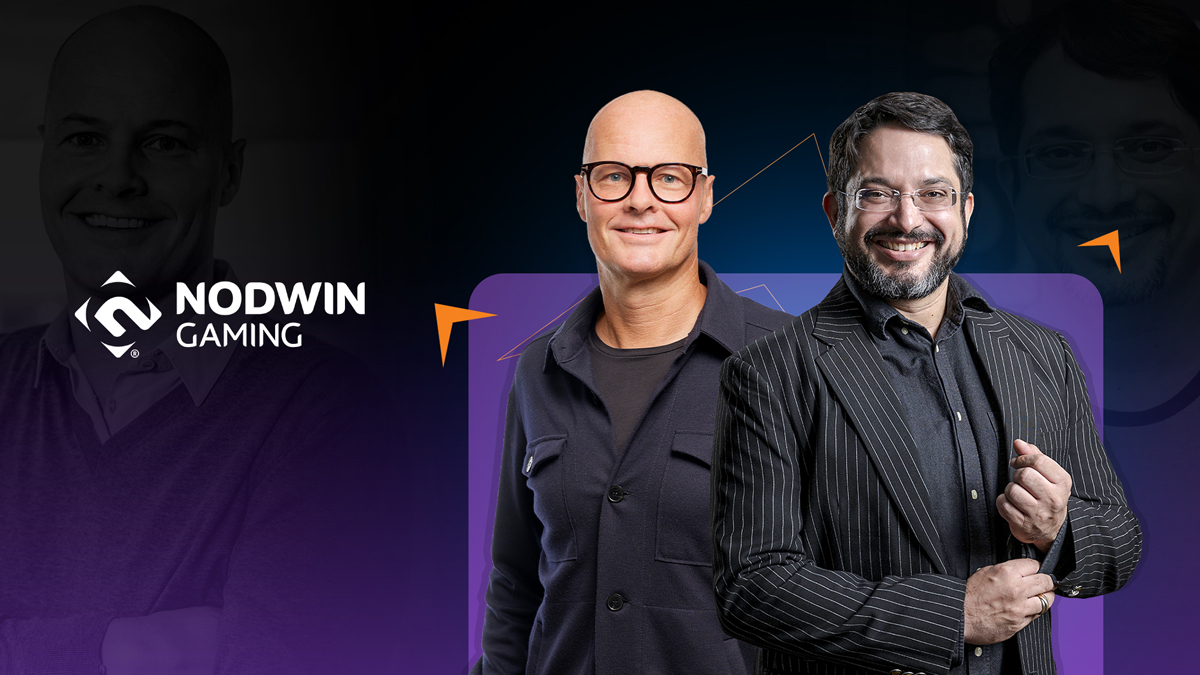
GURUGRAM: NODWIN Gaming is moving fast. The Gurugram-based gaming and esports company has launched a pre-IPO fundraising round, appointed UBS as lead adviser for both the round and a subsequent public listing, and landed a heavyweight board director, all in one go.
The new board member is Arnd Benninghoff, executive vice president of gaming at Stockholm-listed Modern Times Group (MTG), who has overseen the group’s strategic investments and portfolio growth since 2014. He is no stranger to building things: Benninghoff has founded and built fifteen companies, served as chief digital officer at ProSiebenSat.1 Media AG, managing director of SevenVentures, and chief executive of Holtzbrinck eLAB. He began his career as a journalist at Deutsche Presse Agentur and various TV networks, holds a Diplom-Kaufmann in business and administration from the University of Münster, and previously sat on the board of Edgeware AB.
The numbers back the ambition
NODWIN is not pitching a story without substance. The company has returned to EBITDA profitability and posted a 42 per cent year-on-year revenue surge, reaching $58.5m in the first nine months of FY2026. The pre-IPO round will combine a primary issuance to fund global expansion through organic growth and acquisitions, alongside a secondary sale to give existing shareholders some liquidity.
Akshat Rathee, co-founder and managing director of NODWIN Gaming, said Benninghoff understands “the entire lifecycle of the gaming and media ecosystem, from the boots-on-the-ground reality of building startups to the strategic complexity of managing multi-billion dollar global portfolios.”
Benninghoff, for his part, said the company “sits at the intersection of sports, entertainment, and technology, making it one of the most exciting players in the global gaming landscape today.”
A portfolio built for the global south
Founded in 2014 by Rathee and Gautam Virk, NODWIN has quietly assembled one of the more compelling esports portfolios outside the Western hemisphere. Its properties include DreamHack India and Comic Con India, and it recently acquired StarLadder, the Ukraine-based tournament organiser behind premier events in CS:GO and Dota 2. The company also serves as a long-term strategic marketing partner for the Evolution Championship Series (EVO), the world’s most prominent fighting game tournament, helping push it into new geographies.
Its geographic focus spans South Asia, Central Asia, Southeast Asia, the Middle East and Africa. Backers include Nazara Technologies, KRAFTON, Sony Group Corporation, JetSynthesys, and the founders’ investment vehicle Good Game Investments.
What comes next
With UBS running the books, a board freshly reinforced with European media and gaming expertise, and revenue heading in the right direction, NODWIN is laying the groundwork deliberately. The esports industry has burned investors before with big promises and thin margins. NODWIN’s return to profitability, combined with a real portfolio of owned intellectual properties across gaming, music and youth culture, gives it a more credible runway than most. The IPO clock is now ticking.







