iWorld
Motorola, Nokia to cooperate on mobile TV interoperability


MUMBAI: In an effort to encourage greater adoption of broadcast mobile TV services and accelerate service deployment, Motorola and Nokia today announced that they will work to achieve interoperability among their DVB-H (Digital Video Broadcast – Handheld) enabled mobile devices and network services.
The handset manufacturers will work together to support solutions based on open DVB-IPDC standards available for operator partners interested in deploying multi-vendor mobile TV services and trials in 2006 and onward.
For the uninitiated DVB-H technology enables the TV service to be broadcast to one’s mobile device. The parties state that DVB-H provides a superior end-user experience in the mobile environment with excellent picture and reduced battery consumption. Up to 50 TV channels can be delivered with low cost, over one network. With extensive pilots of broadcast mobile TV currently taking place across the globe, involving leading broadcasters, mobile operators, broadcast network operators and handset manufacturers, the market for commercial broadcast services is expected to grow throughout this year.

According to market research firm Informa, the mobile TV market is poised to grow exponentially – by 2010, there are anticipated to be over 50 million DVB-H enabled mobile devices sold globally. The deployment of mobile TV services will offer new business opportunities for companies across the value chain – including content and broadcast companies, mobile service providers, infrastructure and handset manufacturers and technology providers — and the availability of interoperable DVB-H enabled devices and services is a key factor in further opening up the market.
Among the many digital technologies available to deliver mobile TV services, Motorola and Nokia both view DVB-H as an effective technology for deploying broadcast mobile TV. DVB-H technology offers high service level quality, low battery consumption and offers the end-user the ability to simultaneously receive broadcasts while using other mobile services such as telephony and internet access on their device.
Motorola director of broadcast technologies Rob Bero says, “Operators around the world are evaluating broadcast mobile TV as a compelling new service to offer their subscribers – and interoperability will play a key role in bringing these services to market faster.
“As a vocal leader in open standards, including DVB-H, we’re pleased to be working with Nokia to deliver interoperable handset and network solutions that will help enable operators to offer the ultimate mobile TV experience for consumers.”
Nokia director, multimedia experiences Harri Männistö says, “Commercial mobile TV services are on the verge of launching in several markets across the world. In order for mobile TV to be a true success, we need interoperable mobile devices and systems which deliver the best experience for consumers and enable enjoyable, live broadcast TV when and where it suits them, redefining prime times and television program content. Nokia is happy to see that open DVB-H technology has and will have widespread support across the industry players, including Motorola and Nokia, in bringing mobile TV to market”.
In parallel to supporting mobile operators launching mobile TV services based on existing technologies in their networks, Motorola and Nokia are both active in ongoing standardization and technology development to optimize the broadcast mobile TV experience. The companies will work on interoperability efforts using the open DVB-IPDC standard while continuing to participate in industry-wide interoperability efforts within the related standardization bodies.







iWorld
Meta plans 8,000 layoffs in new AI-led restructuring wave
First phase from May 20 may cut 10 per cent workforce amid AI pivot.
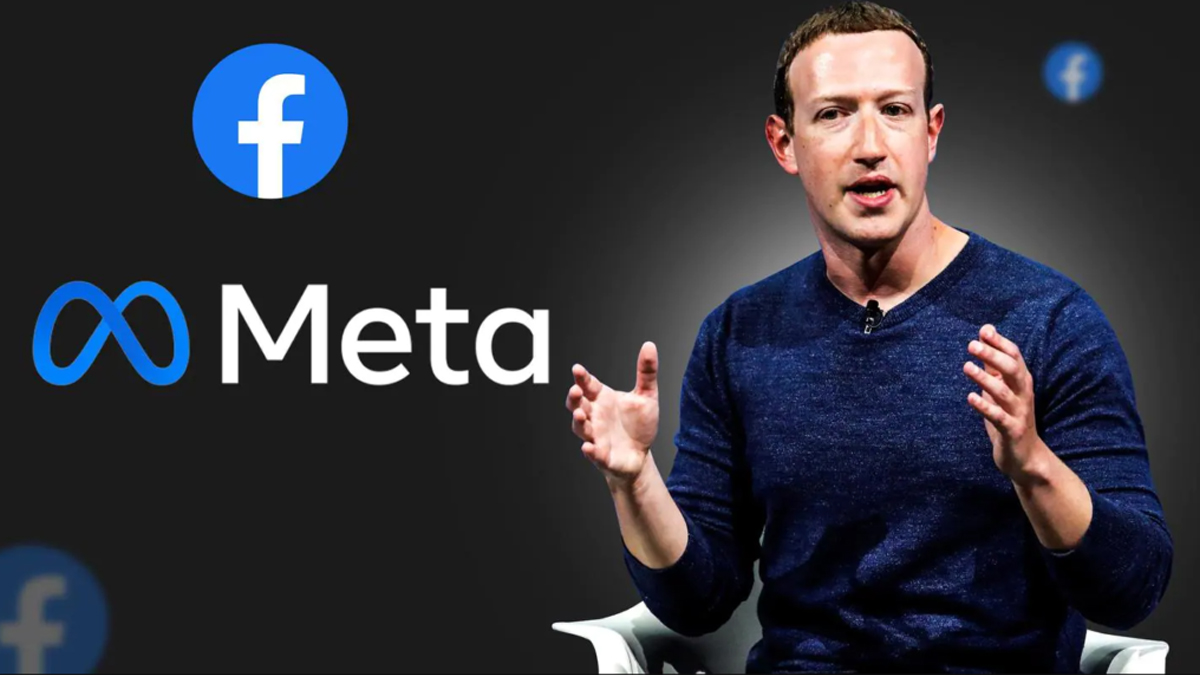
MUMBAI: At Meta, the future may be artificial but the cuts are very real. The social media giant is reportedly preparing a fresh round of layoffs, with an initial wave expected to impact around 8,000 employees as it doubles down on its artificial intelligence ambitions. According to a Reuters report, the first phase of job cuts is slated to begin on May 20, targeting roughly 10 per cent of Meta’s global workforce. With nearly 79,000 employees on its rolls as of December 31, the move marks one of the company’s most significant workforce reductions in recent years.
And this may only be the beginning. Sources indicate that additional layoffs are being planned for the second half of the year, although the scale and timing remain fluid, likely to be shaped by how Meta’s AI capabilities evolve in the coming months. Earlier reports had suggested that total cuts in 2026 could reach 20 per cent or more of its workforce.
The restructuring comes as chief executive Mark Zuckerberg continues to steer the company towards an AI-first operating model, committing hundreds of billions of dollars to the transition. Internally, this shift is already visible: teams within Reality Labs have been reorganised, engineers have been moved into a newly formed Applied AI unit, and a Meta Small Business division has been created to align with broader structural changes.
The trend is hardly isolated. Across the tech sector, companies are trimming headcount while investing aggressively in automation. Amazon, for instance, has reportedly cut around 30,000 corporate roles nearly 10 per cent of its white-collar workforce citing efficiency gains driven by AI. Data from Layoffs.fyi shows over 73,000 tech employees have already lost jobs this year, compared with 153,000 in all of 2024.
For Meta, the move echoes its earlier “year of efficiency” in 2022–23, when about 21,000 roles were eliminated amid slowing growth and market pressures. This time, however, the backdrop is different. The company is financially stronger, generating over $200 billion in revenue and $60 billion in profit last year, with shares up 3.68 per cent year-to-date though still below last summer’s peak.
That contrast underlines the shift underway. These layoffs are less about survival and more about reinvention. As Meta restructures itself around AI from autonomous coding agents to advanced machine learning systems, the question is no longer whether the company will change, but how many roles will be left unchanged when it does.







