I&B Ministry
MIB secy Amit Khare advocates self-regulation in media

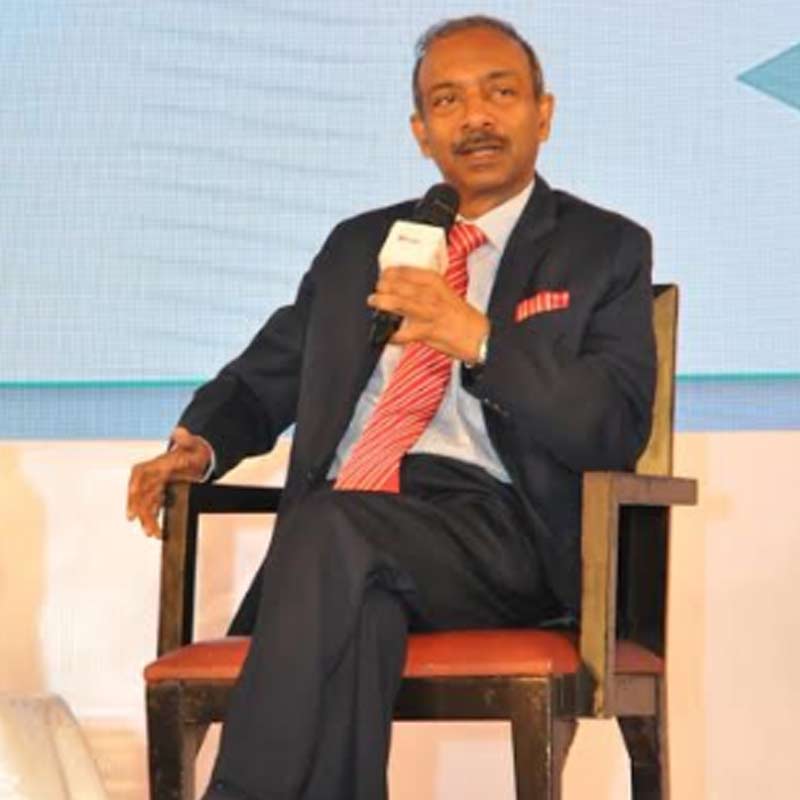
MUMBAI: Making a strong case for self-regulation, Ministry of Information & Broadcasting Secretary Amit Khare today said it was a better regulatory approach for India’s media and entertainment sector.
With the advancement as well as convergence of technologies, the government would like to have more of content self-regulation by the sector, rather than the state acting as a monitor, Khare said allaying fears that the present government would strongly push for mandated rules and regulations related to content.
Peer pressure will serve to make self-regulation effective and ethically driven, the senior government official said while taking part in a panel discussion here on co-creation of a favourable regulatory framework for new and emerging media that had been organised by a media house.
Khare observed that the media and entertainment industry in India is one of the fastest growing industries and the sector sector plays an important role in job creation and providing employment to more than 1 million people. Further, for every rupee spent in the sector, there is a multiplier effect of around 2.9, he added highlighting the importance of the sector.
Pointing out that media regulations historically have been developed more from the point of view of the medium or platform of distribution and not from the point of view of content itself, Khare said the situation has led to legacy players in print and electronic media coming under the ambit of ambit of regulation, leaving unregulated some newer media forms such as OTT services.
Stating that the government has an open mind on regulation, the MIB official divulged that debates are on within the government whether there is a need to regulate unregulated platforms (like OTT) or whether to reduce overall regulations in the traditional sectors too. “How much regulation is required and how is it to be done, is another matter that needs to be addressed,” he added.
According to him, FDI policies are being liberalised to make India a more investor-friendly market, but monopolies should be avoided.
Khare’s fellow panelists included Alok Srivastava, MD – IoT, Southeast Asia & India, CISCO, Gowree Gokhale, Senior Partner, Nishith Desai Associates law firm and Vivek Krishnani, MD, Sony Pictures Entertainment India.