Cable TV
MCOF’s Prabhu sounds the alarm for cable TV fraternity

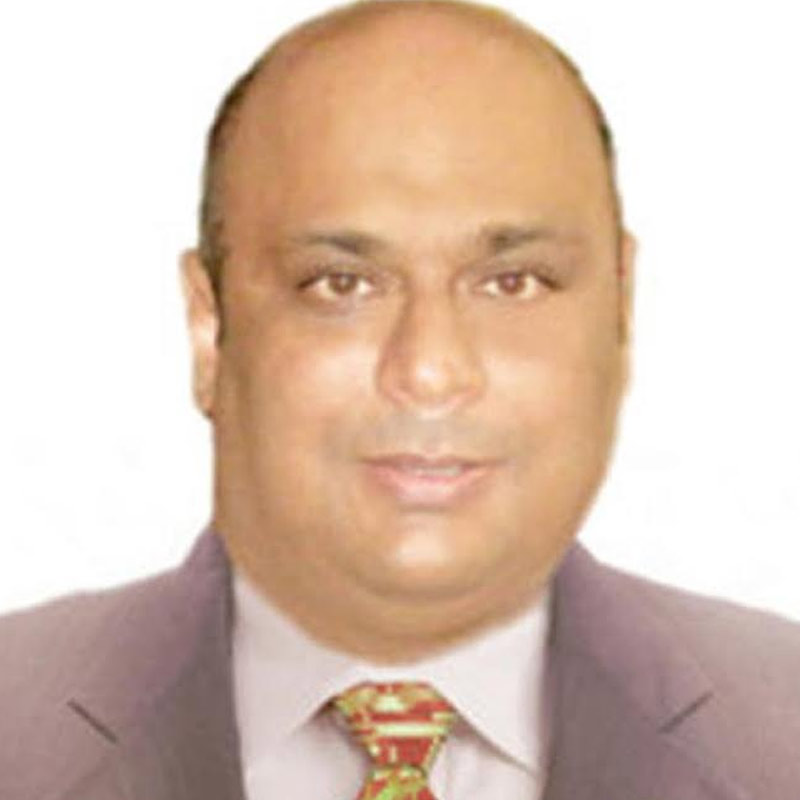
KOLKATA: Although linear television remains the primary mode of viewing for most Indian households, cableTV operators still face numerous challenges – what the rapid uptake of OTT services and the inflexible pricing regulations set by the regulator. And the situation is not getting any better for the tribe, says Maharashtra Cable Operators Foundation (MCOF) president Arvind Prabhu.
He claims that matters took a grim turn with Covid2019 causing a 25-30 per cent drop in subscribers for the cable TV trade operators in the first four months of the crisis,
mainly due to lack of fresh TV content, labour migration and the closure of commercial establishments. He further projects that only 5-10 per cent of these subscribers might come back.
While a lot the of users had moved to OTT during the beginning of the pandemic, Prabhu says there are fewer chances of them returning to TV as the platforms are already offering linear TV content, streaming live sports events.
How far is normalcy?
There had been a challenge at the operational level too with the onset of this pandemic. However, the situation is normalising inch by inch, thanks to the stage by stage unlocks, and it is comparatively easier at this moment, says Prabhu. However, 60-65 per cent of workers are not coming to offices regularly.
Given that cable TV is an essential service, the government should have looked at insurance for its staff, insists Prabhu. Moreover, vendor supplies have also slowed down. The scene is a little different in rural areas, where manpower is available but getting equipment is an issue. Hence, it would take another month or so to reach normalcy, he expresses.
Due to restrictions in movement, the MSOs have been demanding online payments. While others claim that 70-80 per cent of subscribers have shipped out, Prabhu dismisses these figures. He says it is the subscribers of the MSOs that is the cable TV operators themselves who have moved to digital payments; not the end subscribers. So far, cable TV operators have been collecting payments traditionally from 50-60 per cent of their subscriber bases.
What are the long-term challenges?
Putting aside the challenges imposed by Covid2019, cable TV operators have been in distress for a while now. With the Telecom Regulatory Authority of India (TRAI) introducing a cap on NCF under NTO 2.0, their worries have only increased. Prabhu claims that TRAI did not take into consideration the suggestions that were given following the NTO consultation paper. He goes on to add that MSOs manipulated NTO 1.0 and it failed to bring end-to-end transparency.
However, the MCOF president acknowledges that former TRAI chairman RS Sharma did his best to help small cable TV operators. “If the new chairman (PD Vaghela) does not quickly help us to revive the overall economic situation, we will be in dire straits. What we ask of the new chairman is to look at all the correspondence sent by cable TV operator associations. He will immediately realise that there has been a serious breach of regulations,” says Prabhu, and he urgesVaghela to call a meeting of all stakeholders at the earliest so they can figure out a solution together.
Way to a sustainable future:
Prabhubelieves that there is a way for cable TV operators to stem the loss of subscribers to OTTs: provide broadband services as that would help them to survive in a changing ecosystem, and integrate the billing for those with cable TV. He also mentions that many operators have already started offering android boxes. On the cable TV side, operators are trying to reduce subscriber loss with long-term packages. Hence, they have requested MSOs to offer some discounts on those.
Going forward, cable TV operators who focus on futuristic services like broadband and hybrid boxes will be able to sustain themselves, says Prabhu. He is optimistic that the new boxes will go beyond urban areas and see good traction in tier II, tier III cities. While these boxes are expensive at the moment, the cost is predicted to come down once demand picks up, leading to increased adoption in rural areas too. Prabhu also highlights that the industry needs government intervention, such as providing loans to the last mile players for investing in new technology.
But broadband and hybrid boxes are not a sure-shot road to success. With the entry of deep-pocketed players in the segment, operators are worried about not having a level playing field. “It is important to find out how to control the big brother coming and taking away everybody’s job. Even if it takes over everything, there should be some alternative modes for us,” says Prabhu.
Need of the hour:
Alongside the long-term strategies, the operators are facing short-term issues as well. “First and foremost, there should be a signing of model interconnect agreements. Nobody has signed a model interconnect agreement, whatever was signed was two-three years ago. The ownership of a set-top box needs to be defined. If a consumer is buying then it is his property; if a cable operator is buying to give it to consumers it belongs to him.; if it is being rented or leased, then it is owned by MSOs. Clarity on that is needed,” he states.