Hollywood
Martin Scorsese to receive 2015 Lumi?re Award

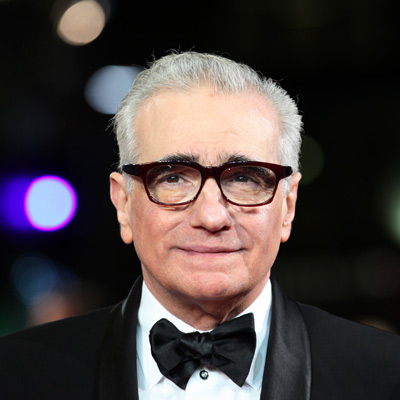
NEW DELHI: Eminent filmmaker Martin Scorsese is to receive the 2015 Lumi?re Award.
The filmmaker will receive the distinction during the Lumi?re Festival to be held in Lyon and Grand Lyon (now the Metropolis of Lyon) from 12 – 18 October. The third edition of the Classic Film Market will take place from 14 – 16 October.
For three days, film industry professionals (producers, distributors, cinema operators, television and VOD broadcasters, DVD-Blu-ray publishers, rights holders, institutional organizations) gather to discuss and exchange views on the present state and the future of classic cinema, its challenges and opportunities in a changing environment which will include a Market venue, roundtables, screenings, lunches and meetings.
The Classic Films Market is restricted to cinema industry professionals. There will be a roundtable meets on “Conservation, digitisation, restoration of classic films: how to finance them,” and on “The future of the past: how to find right-owners (orphan works, unclaimed rights)?” and on “Sound restoration. Sharing viewpoints” co-organised by the SACD and the Institut Lumi?re.
The Distributors Day will help filmmakers discover the titles and the upcoming classic films releases of Artédis, EYE International, Gaumont, LCJ Editions, Lost Films, Malavida, Mosfilm, Pathé, Shellac, Sidonis Productions, Swedish Film Institute, Tamasa Distribution and the film presentations of the ADRC and the AFCAE.
The thematic breakfast meet will be on “Conservation, digitization, restoration of classic films: which technical evolutions? Issues and testimonies.” co-organized by the FICAM and the Institut Lumi?re.
Born on 17 November, 1942, Scorsese is one of the most prominent American directors, producers, screenwriters, actors, and film historians, whose career spans more than 45 years.
Part of the New Hollywood wave of filmmaking, he is widely regarded as one of the most significant and influential filmmakers in cinema history.
In 1990, he founded The Film Foundation, a nonprofit organization dedicated to film preservation, and in 2007 he founded the World Cinema Foundation.
He is a recipient of the AFI Life Achievement Award for his contributions to the cinema, and has won an Academy Award, a Palme d’Or, Cannes Film Festival Best Director Award, Silver Lion, Grammy Award, Emmys, Golden Globes, BAFTAs, and DGA Awards.
Scorsese’s body of work addresses such themes as Sicilian-American identity, Roman Catholic concepts of guilt and redemption, machismo, modern crime, and gang conflict. Many of his films are also notable for their depiction of violence and liberal use of profanity.
He has directed landmark films such as the crime film Mean Streets (1973), the vigilante-drama Taxi Driver (1976), the biographical sports drama Raging Bull (1980), the black comedy The King of Comedy (1983), and the crime films Goodfellas (1990) and Casino (1995), all of which he collaborated on with actor and close friend Robert De Niro.
Scorsese has also been noted for his collaborations with actor Leonardo DiCaprio, having directed him in five films, beginning with Gangs of New York (2002). Their latest collaboration, The Wolf of Wall Street, was released in 2013.
He won the Academy Award for Best Director for the crime drama The Departed (2006). With eight Best Director nominations to date, he is the most nominated living director, and is tied with Billy Wilder for the second most nominations overall.