iWorld
Marketers hit play as Yahoo and Spotify turn up India’s audio ad game

MUMBAI- The sound of opportunity just got louder for Indian advertisers. CereOne Media, Yahoo DSP’s partner in India, has announced the arrival of the Yahoo DSP and Spotify Ad Exchange (SAX) partnership in the country, a move set to turn programmatic audio advertising into a full-fledged performance channel.
For years, digital audio has been India’s underplayed medium engaging but under-measured. Now, with Spotify’s high-quality audio, video and display inventory available directly through Yahoo’s Demand-Side Platform (DSP), agencies can finally plan, activate, and measure audio campaigns alongside display, video, Connected TV (CTV) and Digital Out-of-Home (DOOH) from a single console.
In other words, sound has officially joined the omnichannel conversation.

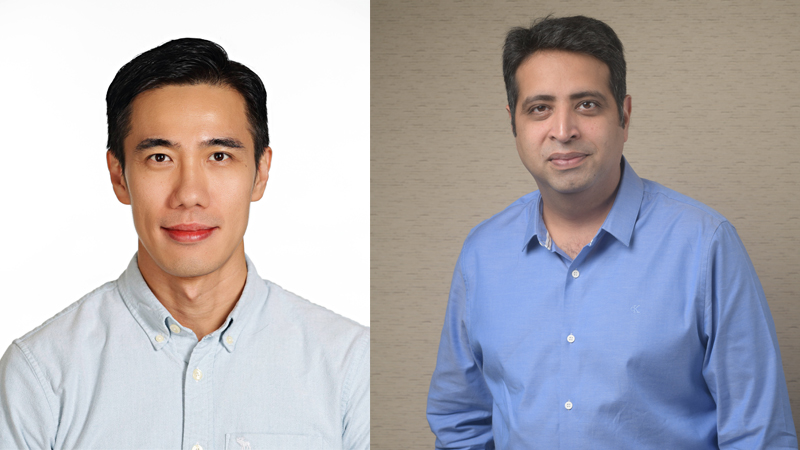
“Digital audio has become one of the most engaging and high-attention environments for advertisers, but access and measurement have often been limited,” said Yahoo DSP SEA head of commercial Kenneth Koh. “By integrating Spotify into Yahoo DSP, we are helping brands plan, activate and optimise audio with the same sophistication they bring to video and display. It unlocks the full potential of sound as a measurable and scalable performance channel.”
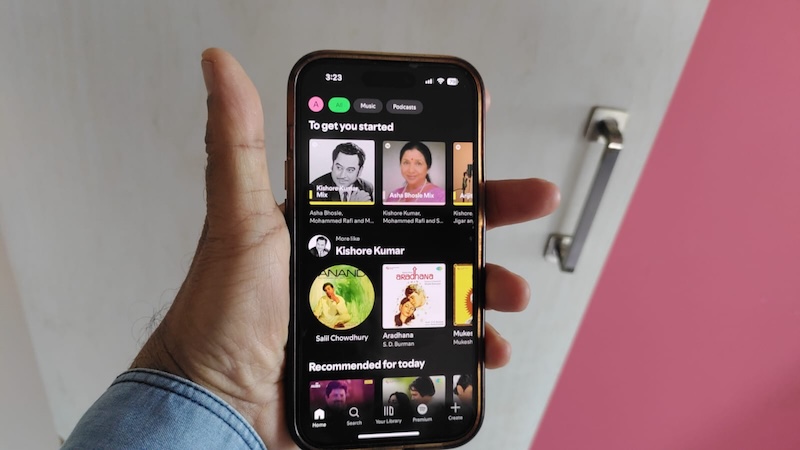
The partnership gives advertisers programmatic access to Spotify’s premium inventory spanning music, podcasts and playlists, all backed by first-party logged-in user data that enables precise targeting. When this is layered with Yahoo’s own first-party data from Search, Mail and its content ecosystem, brands can tap into richer audience insights and deliver more relevant, measurable campaigns across devices and moments.
CereOne Media director Deepak Karnani called it a “big step forward for Indian advertisers.” He added, “Audio is no longer a background medium; it is immersive, measurable and deeply personal. This partnership lets brands access Spotify’s high-quality inventory programmatically with precision and transparency. For India’s fast-evolving digital ecosystem, it opens a new frontier of engagement through sound, storytelling and scale.”
The timing couldn’t be better. India is home to one of the world’s largest and fastest-growing digital audio audiences, with millions tuning in across languages, genres and devices. Music streaming and podcasts have evolved from passive pastimes to powerful touchpoints for connection and influence, a fact brands are now recognising in their media mixes.
With this collaboration, CereOne Media, Yahoo DSP and Spotify are not just tuning into that change, they’re amplifying it. Together, they’re giving marketers the ability to measure emotion, target mood, and quite literally, find their audience’s frequency.
For a market long defined by visuals, the message is clear: in India’s next chapter of digital storytelling, it’s time to be heard.





iWorld
OpenAI hits back at Elon Musk’s lawsuit ahead of trial
Company calls claims “baseless” and accuses Musk of trying to disrupt a rival.
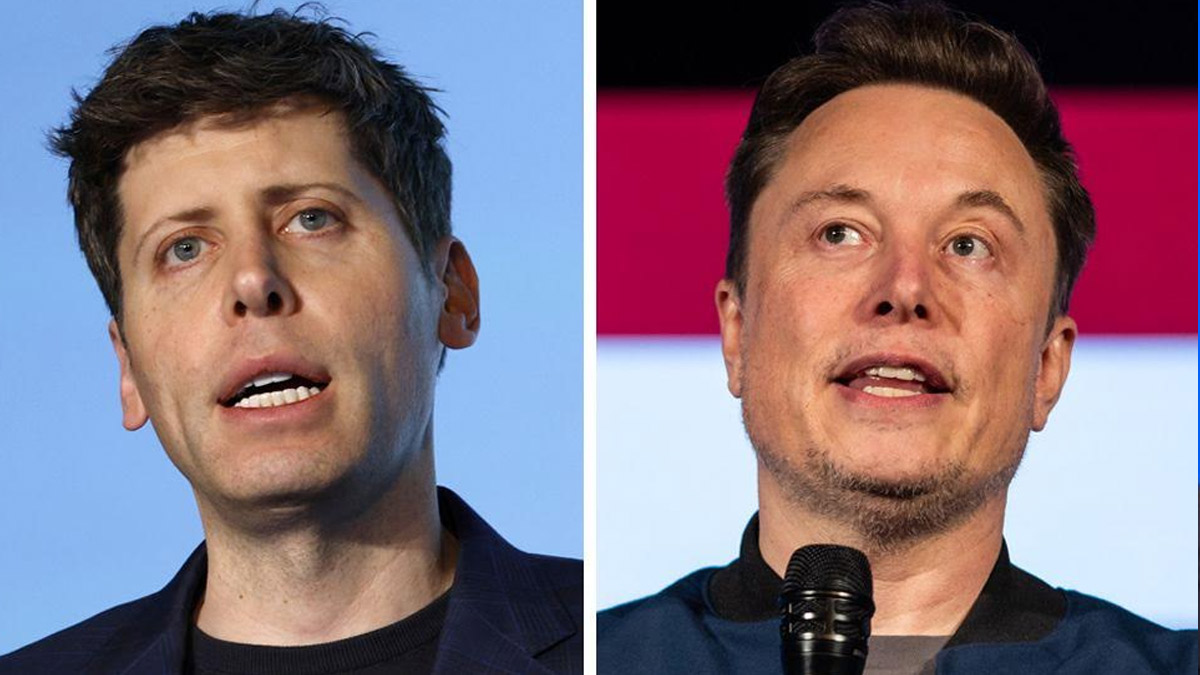
MUMBAI: When the stakes are measured in billions and egos are involved, even Silicon Valley titans can turn a courtroom into a battlefield. OpenAI has issued a sharp public response to Elon Musk’s ongoing lawsuit, accusing the billionaire of filing the case to harass a competitor rather than address genuine concerns. In a strongly worded statement shared on its official X account, OpenAI described Musk’s allegations as “baseless” and suggested the lawsuit is an attempt to disrupt the company as the case heads toward trial later this month in Oakland, California.
The response comes after Musk’s legal team recently amended the complaint, proposing that any damages potentially exceeding $150 billion should go to OpenAI’s nonprofit entity rather than to Musk personally. OpenAI questioned the timing and motive behind this change, calling it a late-stage attempt to “pretend to change his tune” on the nonprofit structure.
The company further labelled the lawsuit a “harassment campaign”, arguing that Musk’s actions are driven by personal rivalry, ego, and a desire for greater control and financial upside.
At the heart of the dispute is Musk’s claim that OpenAI has abandoned its original nonprofit mission of developing artificial intelligence for the benefit of humanity. A co-founder who left in 2018, Musk is seeking governance changes, including the removal of CEO Sam Altman from the nonprofit board, and the return of certain financial gains linked to Altman and President Greg Brockman.
OpenAI has firmly rejected these allegations, maintaining that its current hybrid structure, a public-benefit corporation overseen by a nonprofit parent remains true to its long-term goals. The company has also previously accused Musk of anti-competitive behaviour aimed at weakening its leadership.
As the case prepares for a jury trial, this public exchange highlights the deepening rift between two of the most influential figures in the AI revolution and raises broader questions about governance, mission, and power in the fast-moving world of artificial intelligence.
In the high-stakes game of AI, it seems the real drama isn’t just inside the models, it’s playing out in courtrooms too.






