iWorld
Manoj Bajpayee’s Ghooskhor Pandat faces FIR after caste backlash, makers remove promos

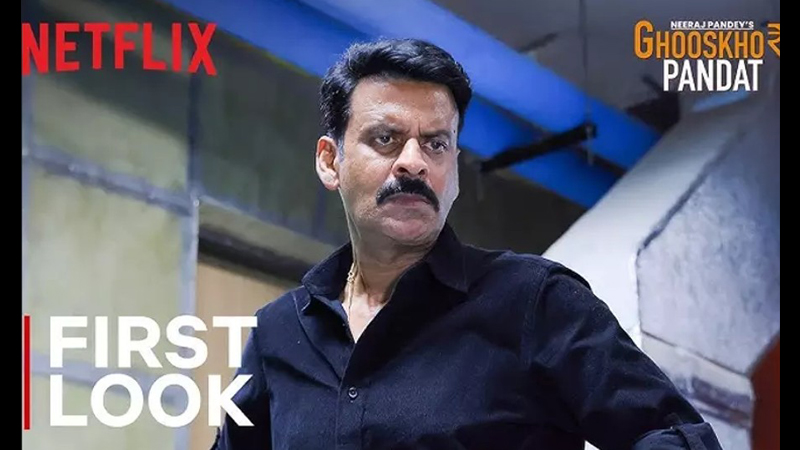
Mumbai: A teaser meant to build buzz has instead landed Netflix’s upcoming film Ghooskhor Pandat in legal and political trouble. Uttar Pradesh authorities have ordered an FIR against the film’s director and creative team after protests alleging caste insults and a threat to social harmony.
The case was registered at Hazratganj police station after clips from the Manoj Bajpayee-starrer went viral and were flagged for allegedly containing objectionable caste-based and religious remarks. Police said the FIR was filed by Hazratganj SHO Vikram Singh on the direction of chief minister Yogi Adityanath.
The filmmakers have been booked under sections 196 (promoting enmity between groups on grounds of religion, race or caste), 299 (deliberate and malicious acts intended to outrage religious feelings) and 352 (apprehension of breach of peace) of the Bharatiya Nyaya Sanhita, along with section 66 of the IT Act. Officials said the move aligns with the state’s “zero-tolerance” stance on threats to communal harmony.

The controversy centres on the film’s title and scenes that critics say portray “Pandit” as a bribe-taker. Members of the Brahmin community have staged protests across several places, demanding a ban.
Political voices have amplified the outrage. BSP chief Mayawati called the title disrespectful and urged the Centre to halt the film’s release. In a post on X, she said the depiction was unacceptable and had angered the community. Former Babri Masjid litigant Iqbal Ansari labelled the title “highly objectionable” and sought legal action.
The National Human Rights Commission has also stepped in, issuing a notice to the information and broadcasting ministry on a complaint that the film promotes negative stereotypes and could fuel caste-based hostility.
Facing mounting pressure, the filmmakers moved quickly to contain the fallout. Neeraj Pandey said Ghooskhor Pandat is a fictional cop drama and that “Pandat” is merely a casual character name, not a caste reference. The team has temporarily withdrawn all promotional material.
“We understand that the title has caused hurt to some viewers, and we acknowledge those feelings,” Pandey wrote on Instagram, adding that the story focuses on an individual’s actions, not any community.
Bajpayee also responded, saying he “respects the emotions and concerns people have shared” and views them seriously. He described his role as that of “a flawed individual and his journey of self-realisation” and said it was never meant as commentary on any community. He added that working with Pandey has always reflected seriousness and responsibility, and that pulling down promotions showed the concerns were being taken seriously.
Part of Netflix India’s 2026 slate, the film marks another collaboration between the platform and Pandey after Khakee: The Bihar Chapter. It is directed by Ritesh Shah and Neeraj Pandey and features Nushrratt Bharuccha, Shraddha Das and Kiku Sharda in key roles.
For now, the film’s biggest drama is off-screen — where law, politics and sentiment are colliding faster than any scripted plot.






iWorld
Samay Raina returns with Still Alive, confronts 2025 controversy in bold comeback special
Comeback set tackles controversy, blending humour with raw storytelling
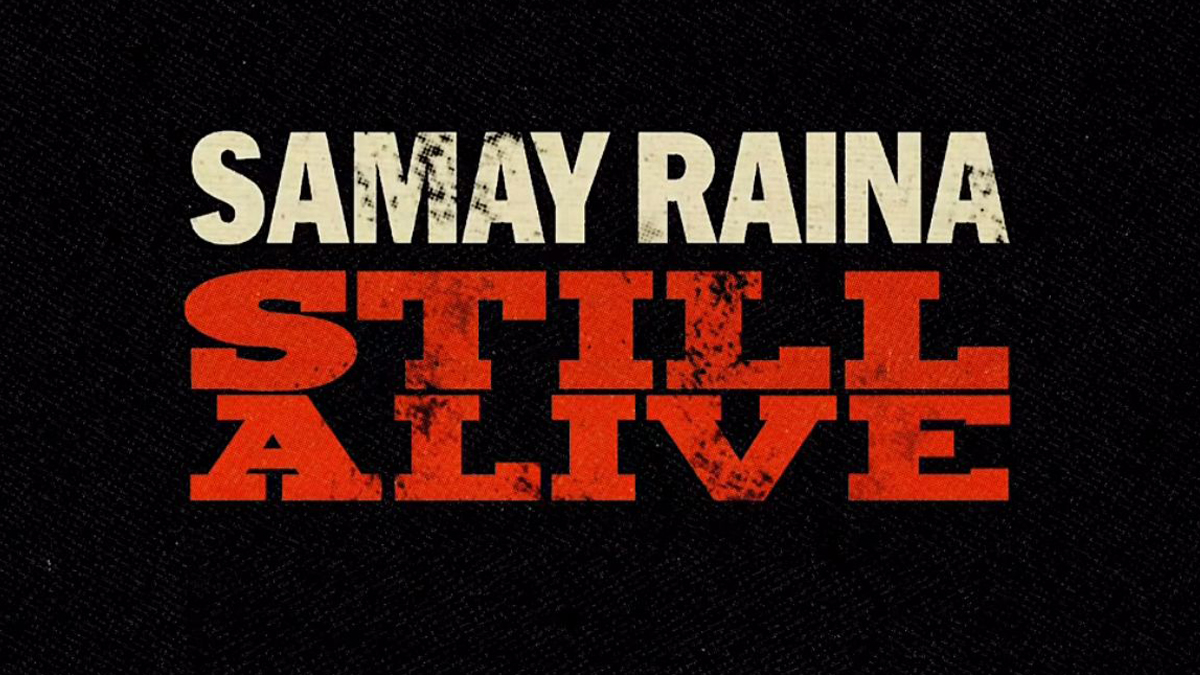
MUMBAI: Samay Raina is set to release his new stand-up comedy special, Still Alive, on YouTube on April 7, 2026, marking a high-profile return following a turbulent year.
The trailer for the special dropped on April 5, offering a glimpse into what Raina describes as a raw and unfiltered set that leans as much on honesty as it does on humour.
Positioned as a comeback of sorts, Still Alive draws heavily from the controversy surrounding his show India’s Got Latent in early 2025. The episode led to legal trouble, multiple FIRs, and a lengthy six-hour interrogation by the Maharashtra Cyber Cell, placing the comedian at the centre of intense public scrutiny.
Rather than sidestep the episode, Raina leans into it. The special reflects on the fallout and his personal journey through it, blending observational comedy with moments of emotional candour. Early audience feedback from live performances suggests the tone is less about rapid-fire punchlines and more about storytelling with bite.
The special was filmed during his global Still Alive & Unfiltered tour, which ran from August 2025 to early 2026. The tour saw Raina perform across major international venues, including the Madison Square Garden Theatre in New York, a milestone that places him among the youngest Indian comedians to take that stage.
The title itself signals resilience. “Still Alive” is a nod to navigating both legal and public backlash while choosing to remain unapologetically authentic, a theme that appears to anchor the set.
With the special set to premiere online, all eyes are now on how audiences respond to a performance that promises equal parts reflection and wit. For Raina, the message is clear. He is not just back, he is ready to be heard on his own terms.






