Movies
Madhya Pradesh, from heartland to global screens
Filmmakers, actors, and leaders celebrate MP’s rise as a creative hotspot


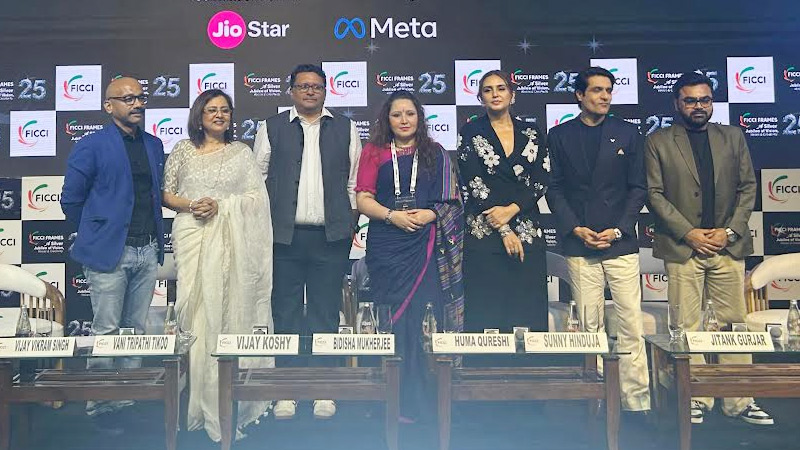
MUMBAI: Lights, camera, action, and Madhya Pradesh is ready for its close-up. The heartland of India is fast emerging as a vibrant hub for filmmaking, blending local authenticity with stories that resonate across the globe.
At the recent session From Heartland to International Screens: MP in Focus, celebrated filmmakers, actors, and state leaders came together to explore how Madhya Pradesh is shaping narratives that travel far beyond borders. The panel was moderated by actor and voice artist Vijay Vikram Singh, who set the tone by highlighting the state’s unique blend of culture, heritage, and cinematic potential.
Madhya Pradesh tourism board additional managing director Bidisha Mukherjee, credited the state’s success to its film-friendly policies, ease of doing business, and exotic locations. “From heritage cities like Mandu and Orchha to rural landscapes such as Chambal, MP offers a range of locations that can fit any story,” she said. The state also incentivises women-led and environmentally conscious projects, providing additional support for filmmakers.
Speaking from personal experience, Sunny Hinduja, actor and producer from Indore, praised the warm hospitality and the homely feel of shooting in MP. “The people, the food, the culture, it all makes the filmmaking experience so welcoming,” he said. Hinduja also revealed plans to produce more content in the state, highlighting MP’s potential as a creative springboard.
The Viral Fever president Vijay Koshy underlined the professionalism and dedication of local crews, pointing out that the availability of trained technicians reduces the logistical burden for production houses. Filmmakers also noted that MP’s bureaucracy is unusually proactive, with shooting permissions granted quickly and processes made fully online.
Director Jitank Gurjar, hailing from Gwalior, reflected on the cultural diversity across the state. “Every 50 kilometres, the dialect, the culture, even the way people express emotions changes. Yet human emotions are universal, and MP captures that beautifully,” he said.
Actor Huma Qureshi added her perspective on MP’s growing film landscape, “The state doesn’t just provide locations; it becomes part of the story. There is a warmth and openness here that instantly connects with everyone on set, making creativity flow effortlessly.”
The session underscored Madhya Pradesh’s growing role in India’s creative economy. With a combination of government support, diverse locations, skilled talent, and a welcoming culture, the state is positioning itself as a preferred destination for filmmakers looking to tell stories that resonate both locally and globally.