
eNews
Loop AI raises $14m series A to boost restaurant delivery operations


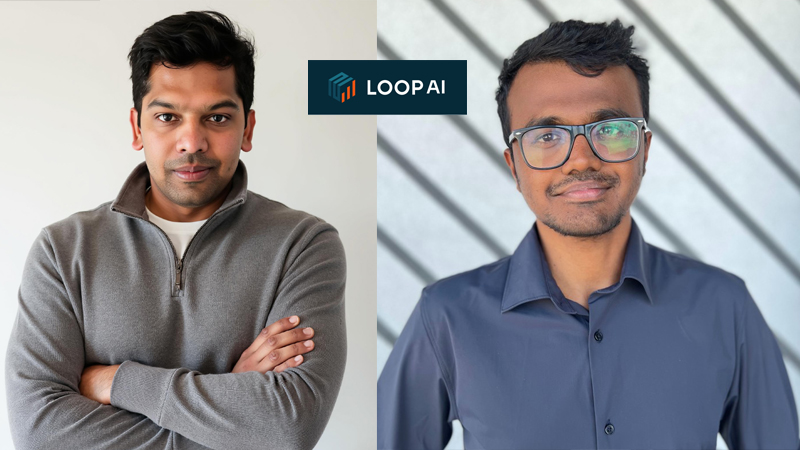
CALIFORNIA: Loop AI has just served itself a sizeable helping of fresh capital. The enterprise AI company focused on the restaurant and retail back office has raised $14 million in a Series A round, led by fintech investor Nyca Partners, signalling growing confidence in the future of food delivery as a profit engine rather than a margin killer.
Alongside the funding, Osama Bedier, former executive at Google and GoDaddy and now an investment partner at Nyca, will take a seat on Loop AI’s board. His arrival adds heavyweight experience as the company enters its next phase of growth.
Loop AI operates where artificial intelligence meets operational grit. Its platform helps restaurants manage the often messy realities of delivery, from margins and workflows to customer behaviour, using what it calls agentic workflows to automate and optimise back-of-house decisions.
Bedier believes the timing could not be better. With restaurants under pressure to deliver better customer experiences while running leaner operations, AI is fast becoming a necessity rather than a nice-to-have. He praised founders Anand Tumuluru and Sundar for building technology he sees as essential to the future of dining.
The backdrop is a delivery market that is ballooning fast. In 2025, the US delivery sector is estimated at $140 billion, accounting for about 10 per cent of the market. By 2035, that figure is expected to swell to $1 trillion, with delivery claiming nearly a third of all restaurant sales. What was once an add-on is quickly becoming the main course.
For Loop AI, delivery is not just another channel, it is the new drive-through. As eating habits tilt ever further towards takeout and doorstep dining, the company’s mission is to help restaurants grow without watching profits evaporate along the way.
Customers appear to be buying into the pitch. California-based casual dining brand Lazy Dog credits Loop AI with helping power rapid growth in its delivery business, while fast-casual chain Starbird says the platform has turned third-party delivery from a necessary evil into a viable growth lever.
Since 2024, Loop AI has grown sixfold and now supports thousands of restaurants. The new funding will be used to expand its product offering and hire across its offices in New York, San Francisco, Tampa and Bangalore.
In an industry where delivery has long been blamed for thin margins and operational headaches, Loop AI is betting that smarter systems can finally make the maths work. For restaurant operators juggling kitchens, couriers and customers, that could be a recipe worth following.






