High Court
Licence fee payable to copyright owners; HC ‘no’ to vacate injunction

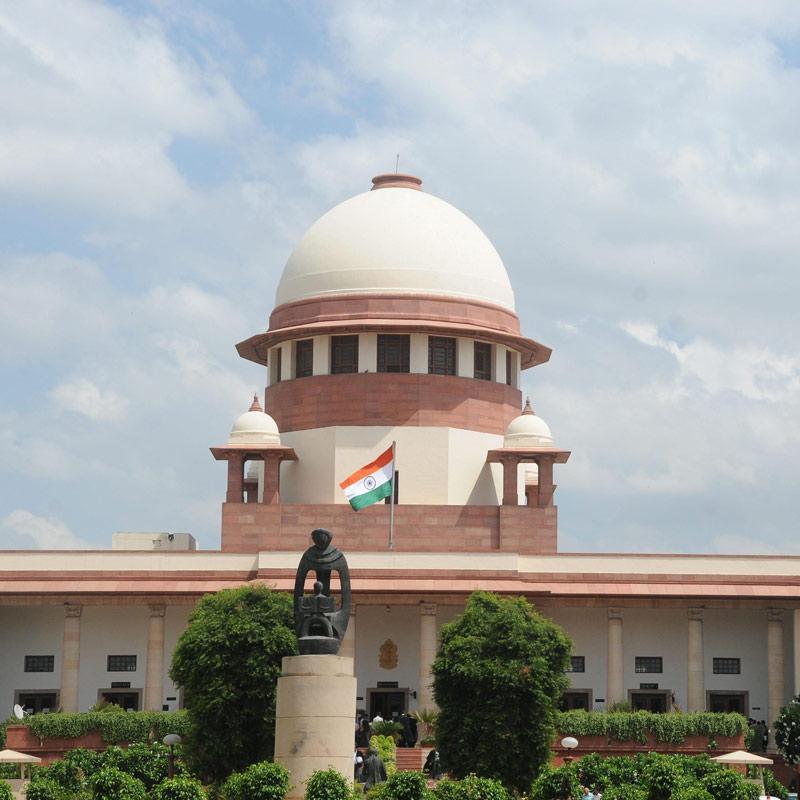
NEW DELHI: The Delhi High Court vacation judge Justice Najmi Waziri has declined to vacate the injunction obtained by Event and Entertainment Management Association (EEMA) from the court earlier this month against collection of licence fees by the Indian Performing Rights Society, the Phonographic Performance Ltd and Novex.
However, the court gave directions whereby a complete list of performances would be kept for which payments are claimed and these will be subject to the final outcome of the petition by EEMA.
Earlier, on 23 December 2016, Justice Sanjeev Sachdeva had accepted that IPRS, PPL, and Novex were not registered copyright societies under section 33 of the Copyright Act, and had therefore restrained them from collecting any licence fee from performers or performing societies. He listed the matter for further hearing on 24 April 2017.
EEMA had filed caveats in the event of these bodies seeking to challenge the restraint order and were therefore present in court when the challenge came up before the vacation bench.
The vacation bench said for the interim period, EEMA members / the event organizer will provide PPL/IPRS/Novex a list of songs that they intend to play before an event on mail. PPL / IPRS / Novex will thereafter need to confirm in writing if they own the tracks.
The event organisers will pay the amount before the event as per mutual negotiation with the copyright owner. The License issuing company/entity shall provide proof by way of legal agreements within seven days of the invoice, to the satisfaction of the event organiser. In case the event organiser is not satisfied by the proof provided, a refund can be claimed through the courts. The money will not be appropriated till such time that the matter is mutually resolved
Thus, copyright licence fees can only be collected under Section 30 which is reserved for owners of the copyright with the clear proviso that, when called upon to do so, they need to prove their ownership.
Additionally, PPL/IPRS/Novex were asked to put up a detailed list on their website listing all songs they own, including the names of the authors / producers they have acquired them from along with the dates of validity of the contract till 31 March 2016.
In addition to this, the licensing companies have to upload the valid legal agreements by which they claim ownership of these tracks by 31 December 2016.
In the order that came after hearing EEMA counsel Ramji Srinivasan and Ashwani Kumar for the respondents, the Court instructed PPL/IPRS/Novex to set up an online payment gateway within one month of this hearing wherein we will be able to easily obtain permissions online.
In a statement issued later, EEMA described the order as ‘very positive’ in the direction of transparency and accountability that EEMA and the creative fraternity across the music industry has been fighting for.
The statement added that EEMA believes that copyright fees should be paid to the rightful creators and owners of copyright in a transparent and reasonable manner so that the rightful owners should receive their due and the rates being charged are logical and reasonable.
Also Read:
Court orders stay on music licensing societies from collecting royalties ahead of New Year