Gaming
Kofluence secures investment from Nazara Technologies for influencer driven game discovery platform

Mumbai: Kofluence, the leading Social Media Influencer marketing tech platform in India announced a pivotal development in its growth trajectory as the board of Nazara Technologies Limited has officially sanctioned the acquisition of a 10.77 per cent stake in Kofluence.
As part of the share swap transaction, Nazara Technologies will issue 3,71,637 equity shares at a price of Rs 872.15/- per equity share, amounting to Rs 32,41,23,210 through a preferential issue on a private placement basis to the sellers.
Kofluence has established itself as India’s premier Social Media Influencer led marketing-tech platform, boasting a vibrant community of across platforms such as Instagram, YouTube, Facebook, LinkedIn, and Twitter. The platform represents over 20 languages and operates as a full stack marketing platform, delivering performance metrics across the entire customer journey.

The collaboration between Kofluence and Nazara Technologies is geared towards the launch of an influencer-driven game discovery platform and community. This pioneering initiative aims to leverage the vast network of influencers on Kofluence to promote Nazara’s games across various social media platforms. Influencers with their ability to tailor content to their audience’s preferences, will generate excitement around new releases, boosting downloads and increasing visibility for Nazara’s gaming portfolio.
Nazara Technologies Jt. MD & CEO Nitish Mittersain expressed his enthusiasm, saying, “Kofluence is pioneering creator economy led platforms and Sreeram’s extensive gaming experience is invaluable to create a pioneering influencer led game discovery platform and community. Our goal is to create an environment where gaming collaborates with the creativity of influencers, enriching the gaming experience for a global audience. Our new game publishing initiative ‘Nazara Publishing’ will particularly benefit from this new initiative”.
Kofluence co-founder, and CEO Sreeram Reddy Vanga, expressed his excitement about the collaboration, stating, “Nazara’s investment is a powerful validation of our joint mission to revolutionise the gaming industry. With our extensive network of creators, we’re well-positioned to greatly enhance the visibility and engagement of Nazara’s gaming portfolio. This partnership is not only expanding Nazara’s game reach but also reshaping game marketing dynamics, bringing every creator and user into an expansive and captivating gaming narrative.”
Kofluence co-founder Ritesh Ujjwal emphasised, “This strategic collaboration marks a pivotal moment in Kofluence’s journey. The gaming industry is swiftly asserting dominance in the handheld technology entertainment business sector, displaying relentless momentum. Moreover, with the surge of gaming influencers, brands have a unique opportunity to forge partnerships and connect with their dedicated followers. We are enthusiastic about the limitless possibilities that unfold as we seamlessly integrate influencer marketing and gaming innovation with Nazara Technologies.





Gaming
Konami concludes successful eFootball India campaign
Campaign featuring Rinku Singh, Varun Chakravarthy and other stars boosts engagement ahead of FIFA World Cup 2026.
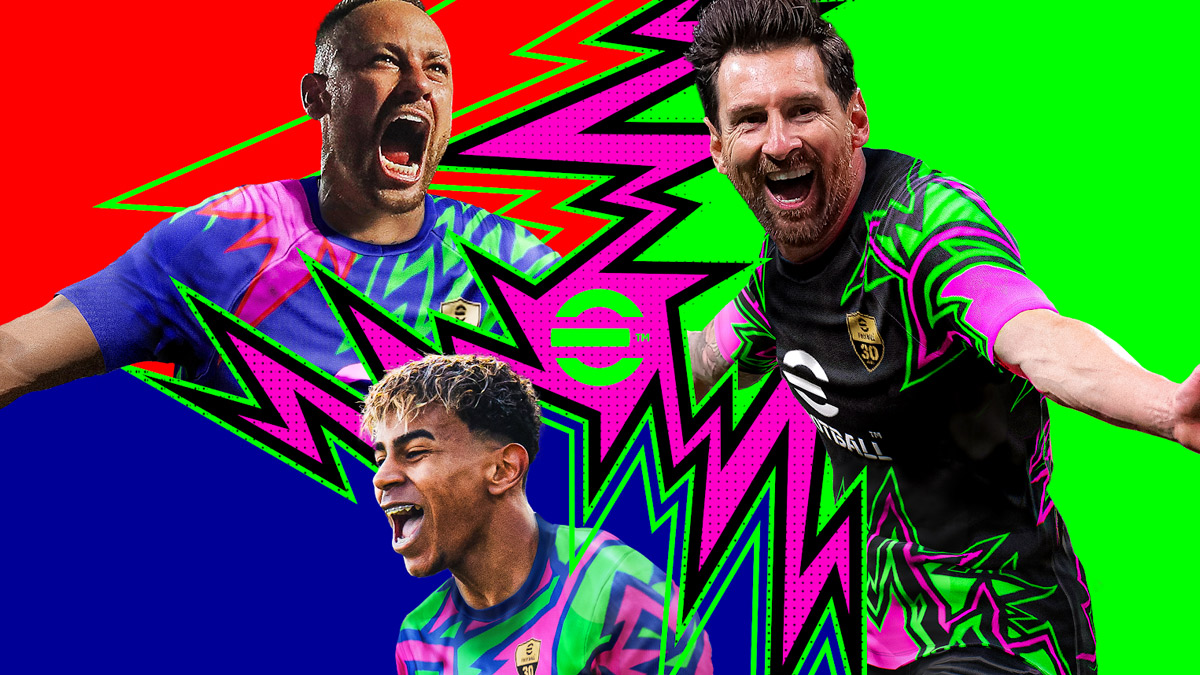
MUMBAI: When cricket meets football in the virtual world, even the biggest fans can’t help but score and Konami’s latest eFootball campaign in India has clearly hit the back of the net. Konami Digital Entertainment has successfully wrapped up its India campaign for eFootball, which brought together cricketers Rinku Singh and Varun Chakravarthy, actors Naslen Gafoor and Chandu Salim Kumar, and footballers Sahal Abdul Samad and Shubhasish Bose. The multi-star campaign generated strong excitement across gaming, football, and creator communities through social content, fan participation, and in-game engagement.
Building on the initial launch that featured a limited-time Lionel Messi card, the campaign united fan communities, lifestyle creators, football creators, and competitive eFootball influencers. It significantly expanded the game’s visibility and deepened engagement with fans across the country.
The campaign also saw thousands of entries submitted as part of its social media engagement challenge, reflecting high levels of community enthusiasm and active creator involvement.
Looking ahead, Konami plans to build on this momentum with more eFootball experiences for Indian fans as the FIFA World Cup 2026 approaches. With global attention on the tournament set to rise, India will remain a key market for deepening community engagement and bringing fans closer to the action.
In a country that lives and breathes sport, Konami has shown that mixing real-world stars with virtual thrills is a winning formula leaving fans eagerly waiting for the next goal.






