News Headline
Kids channels travel the extra mile in 2009


|
Kids channels ran the extra mile in 2009, expanding the genre by 7.9 per cent as they localised and became more interactive with their target group consumers. The 5.8 per cent share of the overall TV viewership pie was led by a 13 per cent growth in the Hindi speaking market (HSM) as the tiny-tots migrated from other genre channels. This despite various property launches among Hindi general entertainment channels (GECs), reality shows and the Indian Premier League (IPL). |
|||||||||||||||||||||||||||||||||||||||||||||||||||||||||
|
|||||||||||||||||||||||||||||||||||||||||||||||||||||||||
|
Admits Nick India SVP and GM Nina Elavia Jaipuria, “During the year, kids moved away from news, sports, cable and music. This is because within such categories, kids have mostly acted as passive viewers. Kids always prefer to be active audiences, thereby desiring for tailor-made content that suit their viewing tastes.”  Agrees Turner International India VP and deputy general manager entertainment networks – South Asia Monica Tata: “Changes in genre consumption amongst kids and family audiences, who preferred a bit more of news and regional entertainment, combined with single TV phenomenon has led to this blip in 2009 kids genre shares.” The HSM market also saw a boost in its 2009 viewership as the target group was provided with more choices due to increased competition. Last April, Viacom18‘s Nick edged out market leader Cartoon Network to become the most-watched kids channel across the HSM. Later, Hungama TV from the Disney stable also occupied the number one spot during various weeks, thereby offering kids with more selection penchants. So what led to such fluctuations in the HSM space? Within the all-India and HSM category, again, there are a few transitions. While Cartoon Network continues to hold the fort in the all-India segment, the channel has seen a three per cent dip over the previous year to end 2009 with a 24 per cent market share. Sibling channel Pogo too has managed to retain the number two slot in the space. The channel has seen a rise in its market share from 20.34 per cent in 2008 to 22.23 per cent in 2009. |
|||||||||||||||||||||||||||||||||||||||||||||||||||||||||
|
|||||||||||||||||||||||||||||||||||||||||||||||||||||||||
|
Says Tata, “2009 sealed another year of supremacy for Cartoon Network and Pogo as the clear kids‘ favourite channels across India with a combined market share of 44.1 per cent.” The HSM leadership slice, however, has a new story to narrate as with the year ending, the segment has seen a rise of a new leader in Nick. Dethroning market leader Cartoon Network from the top, the Viacom18 channel has emerged as the No 1 channel in the HSM space. The channel has closed the year with a 23 per cent market share, one point above the new second in command, Cartoon Network. |
|||||||||||||||||||||||||||||||||||||||||||||||||||||||||
|
|||||||||||||||||||||||||||||||||||||||||||||||||||||||||
|
Says Jaipuria, “The Nicktoon-characters have helped Nick establish space and engagement with the kids leading to an increase in the stickiness of the channel.” Also, the channel has managed to take viewers beyond television, thus making it more tangible. “And I think we did that very successfully with our experimental 360 degree marketing philosophy – we wanted to be in every place where children are,” she adds.
South Story
|
|||||||||||||||||||||||||||||||||||||||||||||||||||||||||
 Says Jaipuria, “2009 brought in more food to the audiences and with consumers acting as the clear kings, broadcasters became more innovative and stepped outside the television sets. Competition rose high, and content was infused with various spikes and reactive strategies to pull in more audience stickiness. This led to quite a few fluctuations in the top slot.”
 Meanwhile, when combined, Cartoon Network and Pogo are still placed at the top and enjoy an increased combined relative share of 43 per cent in 2009 (compared with 42 per cent in 2008) in HSM, says Tata.
 Says Tata, “The real and virtual world divides are getting blurred as is evident from Cartoon Network‘s patented research study on kids‘ lifestyle, New Generations 2009. 49 per cent of the kids aged 7-14 years have used a computer in the past one month, and 15 per cent of all kids 7-14 who surfed the internet in the past one month, two-thirds are at least weekly users. In 2008, it was 10 per cent.”
 Disney, which already has two of its channels (Disney XD and





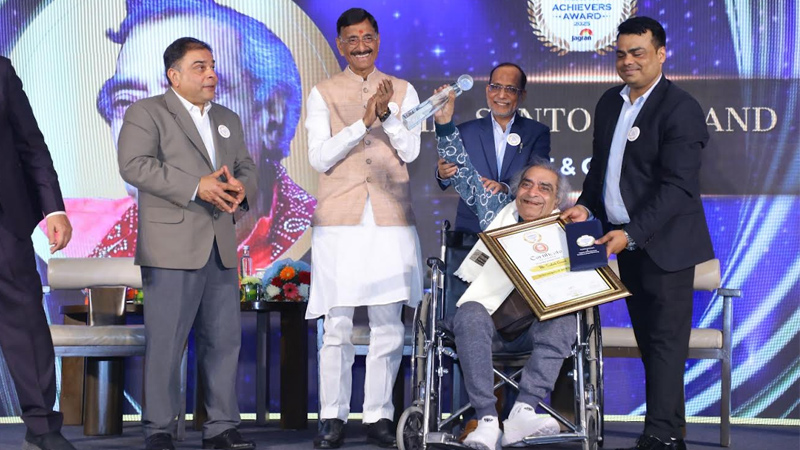
NEW DELHI: Hamdard Laboratories gathered a cross-section of India’s achievers in New Delhi on Friday, handing out the Hakeem Abdul Hameed Excellence Awards to figures who have left their mark across healthcare, education, sport, public service and the arts.
The ceremony, attended by minister of state for defence Sanjay Seth and senior officials from the ministry of Ayush, celebrated individuals whose work blends professional success with a sense of public purpose. It was as much a roll call of achievement as it was a reminder that influence is not measured only in profits or podiums, but in people reached and lives improved.
Among the headline awardees was Alakh Pandey, founder and chief executive of PhysicsWallah, recognised for turning affordable digital learning into a mass movement. On the sporting front, Arjuna Awardee and kabaddi player Sakshi Puniya was honoured for her contribution to the game and for pushing women’s participation onto bigger stages.
The cultural spotlight fell on veteran lyricist and poet Santosh Anand, whose songs have echoed across generations of Hindi cinema. At 97, Anand accepted the honour with characteristic humility, reflecting on a life shaped by perseverance and hope.
Healthcare honours spanned both modern and traditional systems. Manoj N. Nesari was recognised for strengthening Ayurveda’s place in national and global health frameworks. Padma shri Mohammed Abdul Waheed was honoured for his research-backed work in Unani medicine, while padma shri Mohsin Wali received recognition for his long-standing contribution to patient-centred care.
Education and social development also featured prominently. Padma shri Zahir Ishaq Kazi was honoured for decades of work in education, while former Meghalaya superintendent of Police T. C. Chacko was recognised for public service. Goonj founder Anshu Gupta received an award for his dignity-centred rural development initiatives, and the Hunar Shakti Foundation was honoured for empowering women and young girls through skill development.
The Lifetime Achievement Award went to former IAS officer Shailaja Chandra for her long career in public healthcare and governance, particularly in the traditional systems under Ayush.
Speaking at the event, Hamdard chairman Abdul Majeed said the awards were a tribute to those who combine excellence with empathy. “These awardees reflect Hakeem Sahib’s belief that healthcare, education and public service must ultimately serve humanity,” he said.
Minister Seth struck a forward-looking note, saying India’s young population gives the country a unique opportunity to become a global destination for learning, health and wellness by 2047.
The ceremony also featured the trailer launch of Unani Ki Kahaani, an upcoming documentary starring actor Jim Sarbh, set to premiere on Discovery on 11 February.
Instituted in memory of Unani scholar and educationist Hakeem Abdul Hameed, the awards have grown into a national platform that celebrates those building a more inclusive and resilient India. For one evening at least, the spotlight was not just on success, but on service with substance.







