iWorld
Kevin Vaz honoured as the Media Person of the Year at the 12th IAA Leadership Awards 2025

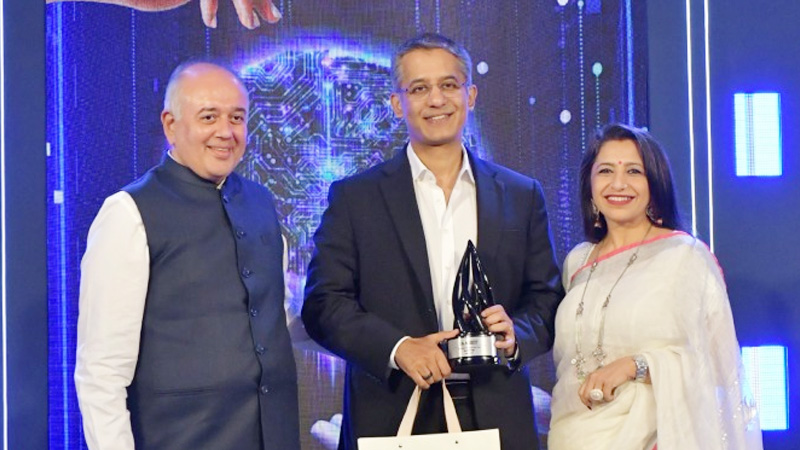
MUMBAI: The 12th edition of the IAA Leadership Awards, held in Mumbai last evening, celebrated excellence across marketing, advertising, and media with Kevin Vaz, CEO – Entertainment, JioStar, receiving the coveted Media Person of the Year title. Organised by the International Advertising Association (IAA) India Chapter, the awards honour individuals whose leadership, creativity, and vision have left a lasting impact on the industry.
“I’m truly humbled and grateful to receive this recognition. It’s a special moment for me, especially as I complete close to 30 years in this industry that I’ve quite literally grown up with. A heartfelt thank you to the International Advertising Association for this honour. IAA has always championed excellence and innovation across our industry and I’m proud to be recognised by an organisation that has played such an important role in shaping the media and marketing landscape.” said Kevin Vaz on receiving the award.
With nearly three decades of experience in the Media & Entertainment sector, Kevin has been instrumental in driving growth, strategic expansion, and innovation across television, OTT, and films. At JioStar, he leads the entertainment business for both the network and JioHotstar, scaling revenues, expanding market share, and integrating content creation with monetisation. His career spans leadership roles at Star India, Viacom18 and Disney Star, where he launched and shaped language markets, and spearheaded industry-first strategies.





iWorld
Samay Raina returns with Still Alive, confronts 2025 controversy in bold comeback special
Comeback set tackles controversy, blending humour with raw storytelling
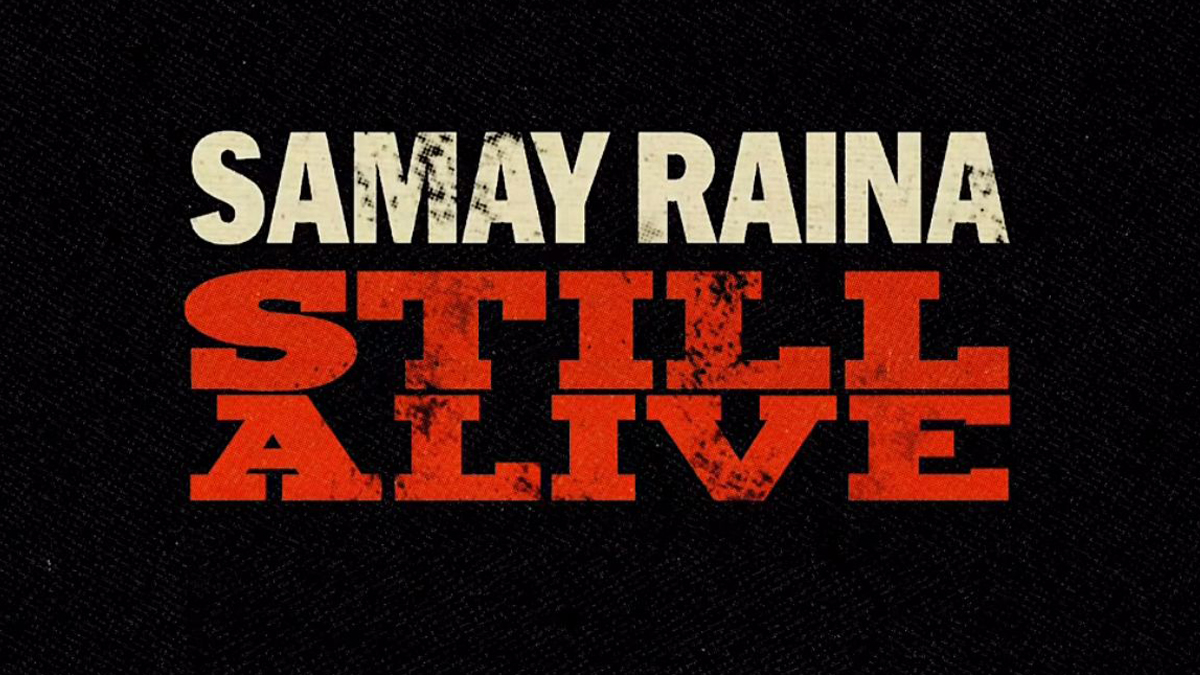
MUMBAI: Samay Raina is set to release his new stand-up comedy special, Still Alive, on YouTube on April 7, 2026, marking a high-profile return following a turbulent year.
The trailer for the special dropped on April 5, offering a glimpse into what Raina describes as a raw and unfiltered set that leans as much on honesty as it does on humour.
Positioned as a comeback of sorts, Still Alive draws heavily from the controversy surrounding his show India’s Got Latent in early 2025. The episode led to legal trouble, multiple FIRs, and a lengthy six-hour interrogation by the Maharashtra Cyber Cell, placing the comedian at the centre of intense public scrutiny.
Rather than sidestep the episode, Raina leans into it. The special reflects on the fallout and his personal journey through it, blending observational comedy with moments of emotional candour. Early audience feedback from live performances suggests the tone is less about rapid-fire punchlines and more about storytelling with bite.
The special was filmed during his global Still Alive & Unfiltered tour, which ran from August 2025 to early 2026. The tour saw Raina perform across major international venues, including the Madison Square Garden Theatre in New York, a milestone that places him among the youngest Indian comedians to take that stage.
The title itself signals resilience. “Still Alive” is a nod to navigating both legal and public backlash while choosing to remain unapologetically authentic, a theme that appears to anchor the set.
With the special set to premiere online, all eyes are now on how audiences respond to a performance that promises equal parts reflection and wit. For Raina, the message is clear. He is not just back, he is ready to be heard on his own terms.






