High Court
Karti told to move petition relating to INX Media in Delhi High Court
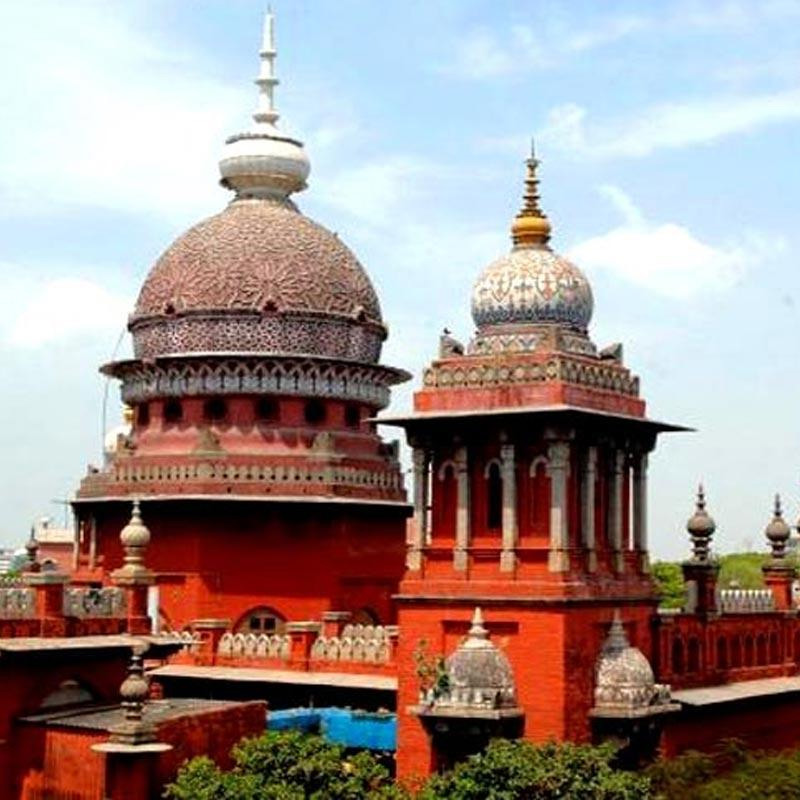
NEW DELHI: Karti Chidambaram, son of former Union Minister P Chidambaram, will have to go to the trial court or the High Court in Delhi with his petition seeking to quash a Central Bureau of Investigation FIR in a bribery case involving INX Media.
The Madras High Court today said the case does not come under its jurisdiction and the Delhi High Court has territorial jurisdiction in this case.
Karti had moved the court after a Supreme Court order asked him to appear before the CBI in its New Delhi office on 23 August, to help the investigating agency with its probe on the alleged kickbacks that his company, INX Media paid to get clearances from the Foreign Investment Promotion Board.
Karti had told the Supreme Court that he is ready to appear before the agency today itself, but needs protection. While directing him to appear before the CBI, the SC told Karti to carry with him all documents necessary.
The Madras High Court, in an earlier order this month, had stayed the Look Out Circular (LOC) issued against Karti and four others. The Supreme Court had later said that it would review the HC order cancelling the LOC issued by Foreigner Regional Registration Officer (FRRO).
On 16 May, CBI raided the Chidambaram residence in Chennai, along with 13 other locations in New Delhi, Gurugram, Mumbai and Chandigarh. The raids were regarding a 2007 case in which INX Media had allegedly paid bribes to get an FIPB approval.
While the clearance granted was only for Rs 40 million, the actual foreign investment was reportedly much higher. An FIR was filed against Karti, Indrani Mukherjee and Peter Mukerjea, who owned INX media.

High Court
Bombay HC likely to protect Kartik Aaryan’s personality rights
Actor seeks Rs 15 crore damages over AI misuse, deepfakes and merch
MUMBAI: In an age where faces can be faked and voices cloned, even stardom needs legal armour. The Bombay High Court has indicated it will pass an order safeguarding the personality and publicity rights of Bollywood actor Kartik Aaryan, following allegations of widespread digital misuse of his identity.
The matter, heard by Justice Sharmila U. Deshmukh, centres on a plea filed by Aaryan seeking a broad John Doe injunction against 16 defendants, including e-commerce platforms, social media intermediaries and unidentified entities. The court noted the concerns raised and said appropriate orders would be issued.
At the heart of the case lies the growing threat of artificial intelligence-driven impersonation. Aaryan’s petition flags multiple instances of deepfake content circulating across platforms such as YouTube and Instagram, where his likeness has allegedly been used to create fabricated videos, including false romantic link-ups and objectionable scenarios designed to drive engagement.
In one particularly alarming example, the actor’s legal filing cites AI-generated visuals that falsely associate him with controversial global figures, including Jeffrey Epstein. The plea argues that such content not only misleads audiences but also causes serious reputational damage.
The concerns extend beyond content to commerce. The suit alleges that unauthorised merchandise bearing Aaryan’s name and image is being sold across platforms such as Amazon, Flipkart and Redbubble, without his consent. Additionally, the actor has raised red flags over AI-powered chatbots that mimic his voice and simulate conversations, warning of potential misuse in fraudulent activities.
Aaryan’s filing underscores that he is the registered proprietor of the trademark “Kartik Aaryan”, with his name, voice and likeness carrying significant commercial value. The unauthorised use of these attributes, the plea states, leads to “immediate and irreparable harm” to his goodwill.
Seeking both preventive and punitive relief, the actor has requested a permanent injunction restraining entities from exploiting his identity in any form be it name, voice, signature or distinctive dialogue style. He has also sought damages amounting to Rs 15 crore for alleged commercial misappropriation and reputational loss.
The case highlights a larger legal and cultural moment, where the lines between reality and replication are increasingly blurred. As AI tools become more accessible, courts are now being called upon to define the boundaries of identity in the digital age, where a face may be famous, but control over it is no longer guaranteed.