iWorld
Karnataka HC order will pave way for progressive policy on online gaming: Industry


Mumbai: The Karnataka high court on Monday struck down the amendments to the Karnataka Police Amendment Act in 2021 that prohibited certain online gaming activities in the state.
The judgement comes as a relief for online fantasy sports and online gaming companies such as Dream11, Mobile Premier League, Games24X7 and Ace2Three who had suspended operations in the state after the ban came into effect on 5 October last year.
In October, the state government had prohibited and criminalised playing of games of skill including online games by risking money or otherwise by amending the Karnataka Police Act, 1963.

The provision was challenged by Skill-gaming industry body All India Gaming Federation, fantasy sports industry body Federation of Indian Fantasy Sports and real money gaming firms such as Mobile Premier League, Games24X7, A23, Junglee Games, Gameskraft and Pacific Games who moved the high court against the law.
The high court on 22 December reserved its judgement in the case after concluding the hearings from a series of petitioners that included industry associations, gaming companies and individuals who had challenged the constitutional validity of the state’s new online gambling law that came into effect on 5 October.
On Monday, the division bench comprising chief justice Ritu Raj Awasthi and justice Krishna S Dixit declared certain provisions of the Karnataka Act number 28/2021, to the extent the provisions pertaining to regulate online gaming activities, “to be ultra vires to the Constitution of India.”
All India Gaming Federation CEO Roland Landers welcomed the judgment that comes in succession of the positive judgements for online skill gaming by the Kerala and Madras HC in 2021. “With the FM’s announcement of AVGC task force that will give a major boost to the game development sector, we look forward to bringing in massive employment, through direct and indirect jobs and becoming a meaningful contributor,” he said.
Games24X7 vice president corporate and regulatory affairs Dinker Vashisht, said he hopes that these judgements nudge state governments to frame progressive policy and regulatory structure for this sunrise sector.
Witzeal founder and CEO Ankur Singh too welcomed the order enabling the industry to resume business in Karnataka and provide gaming platform to users. “This move is in line with the initiatives proposed by the FM in the Union budget to set up an AVGC task force and will further help in giving a much-needed push to gaming companies and developers,” he added.
“I am sure all state governments will also support the industry to realise its true potential, both for employment opportunities and revenue generation which can also be a big contributor to the GDP,” said Baazi Games co-founder and COO Puneet Singh. “This will also boost the investor sentiment towards the segment.”
PlayerzPot co-founder Mitesh Gangar said it will pave the way for all brands to start its operations in Karnataka. “The state contributed to a sizable chunk of user base and revenue for us and this ban uplift will allow our users to come back to skill-based gaming,” he added.
India is the fifth largest online gaming market globally with 80 million skill-based gamers in 2020 which is expected to grow to 150 million by 2023 according to an EY-All India Gaming Federation report. The sector is expected to generate revenues in excess of $3 billion by 2025.






iWorld
OpenAI hits back at Elon Musk’s lawsuit ahead of trial
Company calls claims “baseless” and accuses Musk of trying to disrupt a rival.
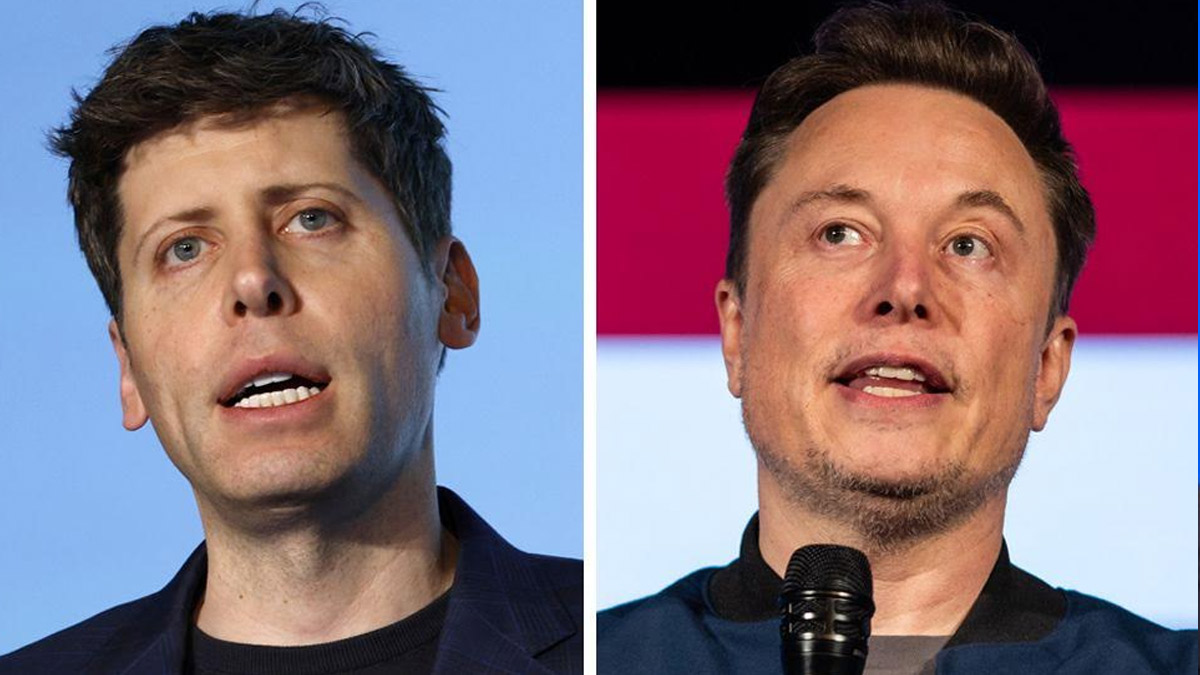
MUMBAI: When the stakes are measured in billions and egos are involved, even Silicon Valley titans can turn a courtroom into a battlefield. OpenAI has issued a sharp public response to Elon Musk’s ongoing lawsuit, accusing the billionaire of filing the case to harass a competitor rather than address genuine concerns. In a strongly worded statement shared on its official X account, OpenAI described Musk’s allegations as “baseless” and suggested the lawsuit is an attempt to disrupt the company as the case heads toward trial later this month in Oakland, California.
The response comes after Musk’s legal team recently amended the complaint, proposing that any damages potentially exceeding $150 billion should go to OpenAI’s nonprofit entity rather than to Musk personally. OpenAI questioned the timing and motive behind this change, calling it a late-stage attempt to “pretend to change his tune” on the nonprofit structure.
The company further labelled the lawsuit a “harassment campaign”, arguing that Musk’s actions are driven by personal rivalry, ego, and a desire for greater control and financial upside.
At the heart of the dispute is Musk’s claim that OpenAI has abandoned its original nonprofit mission of developing artificial intelligence for the benefit of humanity. A co-founder who left in 2018, Musk is seeking governance changes, including the removal of CEO Sam Altman from the nonprofit board, and the return of certain financial gains linked to Altman and President Greg Brockman.
OpenAI has firmly rejected these allegations, maintaining that its current hybrid structure, a public-benefit corporation overseen by a nonprofit parent remains true to its long-term goals. The company has also previously accused Musk of anti-competitive behaviour aimed at weakening its leadership.
As the case prepares for a jury trial, this public exchange highlights the deepening rift between two of the most influential figures in the AI revolution and raises broader questions about governance, mission, and power in the fast-moving world of artificial intelligence.
In the high-stakes game of AI, it seems the real drama isn’t just inside the models, it’s playing out in courtrooms too.






