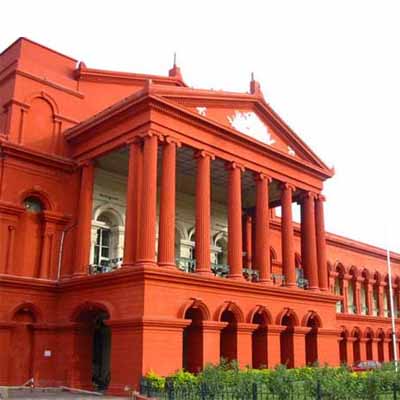
High Court
Kannada govt sets up panel to look into local cinema policy
BANGALORE: Karnataka government has proposed to the agitating Kannada Film Producers Association (KFPA) and Kannada Film Directors Association (KFDA) to set up a panel including nominees from their organisations in order to recommend a comprehensive cinema policy for the State.
Responding to the deputy chief minister’s suggestion, KFPA and KFDA have chosen 11 members to be nominated for the proposed panel.
The nominees include Parvathamma Rajkumar, Ramu, Kanakapura Srinivas, K Manju, Ramesh Yadav, Basant Kumar Patil, actors Ravichandra and Raghavendra Rajkumar and directors Joe Simon and S V Rajendrasingh Babu.
Deputy chief minister Siddaramaiah who announced the decision at the rally organised by KFPA and KFDA yesterday, also promised that the recommendations would be implemented within ten days of the submission of the report.
Meanwhile, KFPA has decided not to allow the release of non-Kannada films (that includes English films) for seven weeks from the date of their first release elsewhere in the country beginning 13 August. The organisation has also demanded a 100-per cent hike in the entertainment tax for non-Kannada films.
Some of the other important demands made by the KFPA and KFDA include:
(1) All Kannada films must be shown in all theaters in Karnataka for at least 12 weeks a year.
(2) Abolition of show tax and turnover tax on exhibition of Kannada Films.
(3) Single window system for permission for filming.
KFPA claims that its decision of not allowing the release of non-Kannada films including English for seven weeks is in compliance with a 1996 agreement between the government and the exhibitors but is yet to be implemented.
Senior Kannada actor Dr Raaj Kumar addressed the rally. Prominent artistes including Vishnuvardhan, Ambarish, Upendra, Darshan, Ramesh, Bharati and Tara were conspicuous by their absence.

High Court
Bombay HC likely to protect Kartik Aaryan’s personality rights
Actor seeks Rs 15 crore damages over AI misuse, deepfakes and merch
MUMBAI: In an age where faces can be faked and voices cloned, even stardom needs legal armour. The Bombay High Court has indicated it will pass an order safeguarding the personality and publicity rights of Bollywood actor Kartik Aaryan, following allegations of widespread digital misuse of his identity.
The matter, heard by Justice Sharmila U. Deshmukh, centres on a plea filed by Aaryan seeking a broad John Doe injunction against 16 defendants, including e-commerce platforms, social media intermediaries and unidentified entities. The court noted the concerns raised and said appropriate orders would be issued.
At the heart of the case lies the growing threat of artificial intelligence-driven impersonation. Aaryan’s petition flags multiple instances of deepfake content circulating across platforms such as YouTube and Instagram, where his likeness has allegedly been used to create fabricated videos, including false romantic link-ups and objectionable scenarios designed to drive engagement.
In one particularly alarming example, the actor’s legal filing cites AI-generated visuals that falsely associate him with controversial global figures, including Jeffrey Epstein. The plea argues that such content not only misleads audiences but also causes serious reputational damage.
The concerns extend beyond content to commerce. The suit alleges that unauthorised merchandise bearing Aaryan’s name and image is being sold across platforms such as Amazon, Flipkart and Redbubble, without his consent. Additionally, the actor has raised red flags over AI-powered chatbots that mimic his voice and simulate conversations, warning of potential misuse in fraudulent activities.
Aaryan’s filing underscores that he is the registered proprietor of the trademark “Kartik Aaryan”, with his name, voice and likeness carrying significant commercial value. The unauthorised use of these attributes, the plea states, leads to “immediate and irreparable harm” to his goodwill.
Seeking both preventive and punitive relief, the actor has requested a permanent injunction restraining entities from exploiting his identity in any form be it name, voice, signature or distinctive dialogue style. He has also sought damages amounting to Rs 15 crore for alleged commercial misappropriation and reputational loss.
The case highlights a larger legal and cultural moment, where the lines between reality and replication are increasingly blurred. As AI tools become more accessible, courts are now being called upon to define the boundaries of identity in the digital age, where a face may be famous, but control over it is no longer guaranteed.