iWorld
Jio battles incumbents as Airtel launches Rs 1495 free data plan
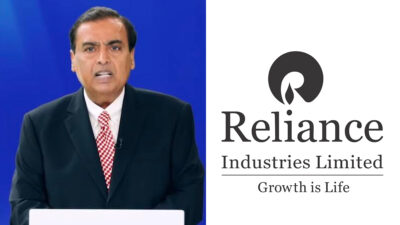
MUMBAI: The fisticuffs continue in the 4G telecom marketplace. Even as Reliance Jio has been waging a war of press releases, highlighting how many of its subscribers’ calls are being refused by Idea, Airtel and Vodafone, the Sunil Mittal-led telco today too issued a press release through which it is taking a jab at the Mukesh Ambani-owned telco’s free call and data offer.
Airtel says it has started offering a free data package for Rs 1495 only, and for prepaid customers only. If you are paying for it, then how is it free? Airtel explains that consumers can surf at wild speeds up to the 30GB data and 90-day limit, after which the accelerator needle will drop to 64kbps. And that’s when the free part of surfing will come in – but at super slow speed.
At the price of Rs 1495 for 30 GB means the data is coming your way cheaper than the Reliance Jio offer of Rs 50 for a GB. The only difference is you are plonking down the money upfront.
Will Reliance Jio react to this outrageous offer from a rival telco? No one knows, but it definitely has reacted to rival telco Idea on another front: that of call drops. It says that the Aditya Birla group-owned Idea is blocking out calls from Jio customers, refusing them connectivity. Says the Jio press release: “Adequate interconnection capacity so that call failure rate is less than 5 per 1,000 is a license obligation of all telecom operators. As against this, over 750 calls per 1,000 are failing per day between Idea and Jio networks, which translates to four crore calls failing per day. Over 12 crore calls fail daily between Jio and the networks of Airtel, Vodafone and Idea. This is a breach of licence conditions by the incumbent operators and severely impacts customer interests. This is against zero call failures on the Jio network.”

iWorld
Telcos push for unified rules as spam shifts to OTT platforms
Over 80 per cent fraud moves online, operators seek common framework.
MUMBAI: The spam may have left your phone network but it hasn’t left you alone. India’s telecom operators are once again dialling up the pressure for a unified regulatory framework, warning that fraud is rapidly migrating to internet-based platforms where oversight remains far looser. According to industry communication, a leading operator has written to multiple arms of the government including the Department of Telecommunications, the Ministry of Electronics and Information Technology and the Ministry of Finance arguing that tighter controls on traditional telecom networks are inadvertently pushing bad actors towards over-the-top (OTT) communication platforms.
The concern is not new, but the framing has sharpened. What was once an industry grievance is now being positioned as a consumer protection issue. Operators say that tackling spam in silos no longer works, as fraudsters seamlessly shift across platforms, exploiting regulatory gaps. The result: a moving target that traditional safeguards struggle to contain.
Executives point to a clear shift in fraud patterns. OTT platforms are increasingly being used for phishing links, impersonation scams and bulk unsolicited messaging, with industry estimates suggesting that over 80 per cent of spam activity has now migrated online. In this environment, the lines between telecom networks, messaging apps and financial fraud are blurring fast.
At the heart of the industry’s demand is a call for a technology-neutral regulatory framework, one that applies consistently across telecom and internet-based communication services. Operators argue that the absence of uniform safeguards, such as sender verification systems, robust spam filters and clearly defined accountability mechanisms, has created enforcement blind spots that fraudsters are quick to exploit.
The proposal is straightforward but far-reaching. Telcos are pushing for baseline anti-fraud measures across all communication platforms, alongside faster response systems and deeper coordination between ministries. Given the interconnected nature of telecom networks, digital platforms and financial systems, they argue that fragmented oversight only weakens the overall defence.
The broader issue is regulatory arbitrage, the ability of bad actors to hop between platforms based on which is least regulated at any given time. Without harmonised rules, operators say, efforts to curb fraud risk becoming a game of whack-a-mole.
As digital communication continues to expand, the debate is shifting from who regulates what to how consistently it is regulated. For now, telecom operators are making their case clear: in a world where spam travels freely, regulation cannot afford to stay fragmented.