Hollywood
Jane Campion to lead the 2014 Cannes Film Festival jury

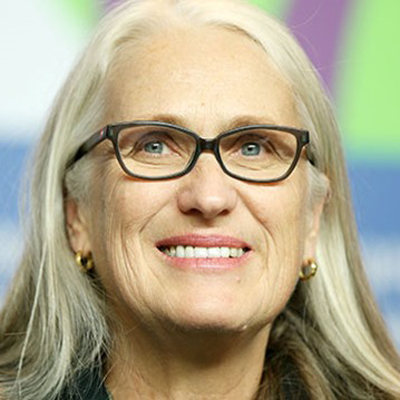
MUMBAI: Jane Campion, a New Zealand native writer, producer and director, has been selected to lead the jury at the next Festival de Cannes that takes place from 14 to 25 May, 2014. Campion steps into the shoes of Steven Spielberg, who presided over the jury last year. Interestingly, Campion is in fact the only female director to have won the Palme D’or, for The Piano in 1993, having already garnered the Short Film Palme D’or back in 1986, for Peel – a unique double success story in the history of the Festival de Cannes.
“Since I first went to Cannes with my short films in 1986, I have had the opportunity to see the festival from many sides and my admiration for this Queen of film festivals has only grown larger. At the Cannes Film Festival they manage to combine and celebrate the glamour of the industry, the stars, the parties, the beaches, the business, while rigorously maintaining the festival’s seriousness about the Art and excellence of new world cinema,” said Campion in a press release.
“It is this world wide inclusiveness and passion for film at the heart of the festival which makes the importance of the Cannes Film Festival indisputable,” Campion further adds. “It is a mythical and exciting festival where amazing things can happen, actors are discovered, films are financed careers are made, I know this because that is what happened to me! I am truly honoured to join with the Cannes Film Festival as President of the in Competition features for 2014,” concludes Campion. “In fact I can’t wait.”
Born in a family of artists, Jane Campion studied anthropology, then art, before turning to film, where her rise to success was meteoric. In the wake of her acclaimed short films, which culminated in a Palme D’or, she captivated international critics with Sweetie (1989), her first feature film, selected In Competition at the Festival de Cannes. After An Angel At My Table (1990), inspired by the works of Janet Frame, in which the theme of an extraordinary woman engaged in the painful quest to assert her identity had already been sketched out, she returned to competition in Cannes in 1993 with The Piano, which won the Palme D’or as well as Best Actress prize for Holly Hunter, starring opposite the unforgettable Harvey Keitel. A few months later, Campion, was nominated for Best Director and Best Screenplay at the Oscars and she picked up the award for the best Screenplay.
Her subsequent works have been Portrait of a Lady in 1996 with Nicole Kidman, Holy Smoke in 1999 with Kate Winslet, and In the Cut (2003) with Meg Ryan. Her last film for cinema, Bright Star, an original vision and fictionalised biography of the poet Keats and his muse, was presented In Competition at Cannes, in 2009.
Campion recently won the remarkable public and critical acclaim with the Sundance Channel Original Series, Top of the Lake, in which she develops her favorite themes, portraying the splendor of nature, the outpouring of romantic passion and the revolt of women against societies dominated by violence and machismo.