iWorld
Jack Dorsey steps down, Parag Agarwal named as Twitter CEO

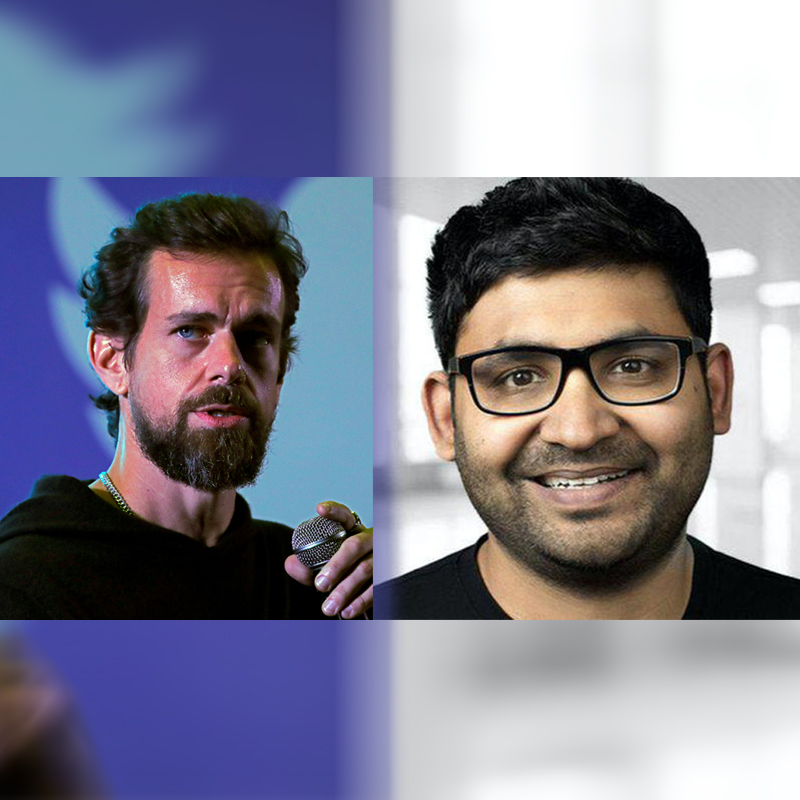
Mumbai: Microblogging site Twitter has named Parag Agarwal as the new chief executive officer of the company effective immediately. The decision was announced by the outgoing CEO Jack Dorsey who stepped down from his position on Monday.
Agarwal, an alumnus of IIT-Bombay and a PhD in Computer Science from Stanford University had joined the US company in 2011 as an Ads engineer. He was elevated as the chief technology officer in March 2018. As the CTO, he led technical strategy for the company and oversaw machine learning and AI across its product and infrastructure teams.
Dorsey would continue to serve on the company’s board until the expiry of his term, which is May, next year. In an email to his employees, which he also shared on Twitter, Dorsey shared that he had worked hard to ensure that the company can break away from its founding and founders. “There’s a lot of talk about the company being founder-led. Ultimately I believe that it’s severely limiting, and a single point of failure,” he wrote, adding that it was the right time for him to leave, and there were three reasons which made him believe so.
One of the reasons he enlisted was Agarwal, who has been behind every critical decision that helped turn the company around, and deeply understands the company and its needs. “My trust in him as our CEO is bone deep,” he wrote.
not sure anyone has heard but,
I resigned from Twitter pic.twitter.com/G5tUkSSxkl
— jack (@jack) November 29, 2021
Dorsey along with Biz Stone, Evan Williams and Noah Glass had founded the company in 2006. Dorsey left the company in 2008 to set up his digital payments app, Square, and made a comeback in 2015 and has remained the CEO since.
“The world is watching us right now, even more than they have before. Lots of people are going to have lots of different views and opinions about today’s news. It is because they care about Twitter and it’s our future, and it’s a signal that the work we do here matters. Lets’ show the world Twitter’s potential,” wrote Agarwal.
Deep gratitude for @jack and our entire team, and so much excitement for the future. Here’s the note I sent to the company. Thank you all for your trust and support https://t.co/eNatG1dqH6 pic.twitter.com/liJmTbpYs1
— Parag Agrawal (@paraga) November 29, 2021