iWorld
“I’ve always liked being the guy behind anything that amuses people”: BB Ki Vines Productions’ Rohit Raj

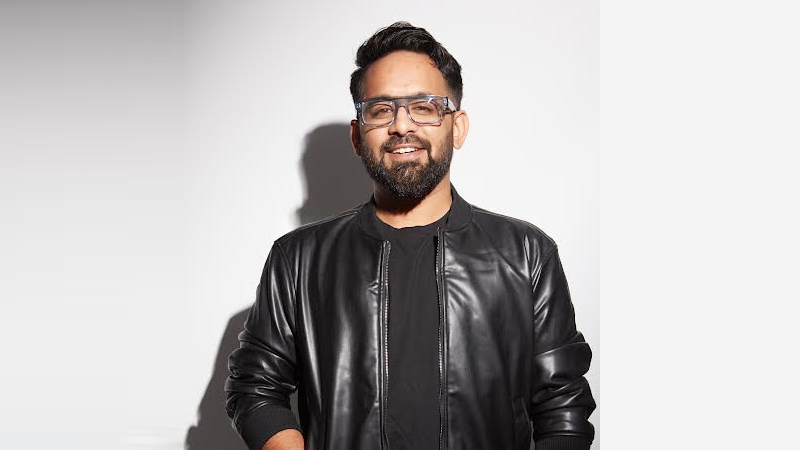
Mumbai: There would hardly be anyone who has not heard about Bhuvan Bam or BB Ki Vines. Bhuvam Bam whose YouTube channel BB Ki Vines now has 26.4M subscribers, has entertained the audiences since 2015 and has highly been acclaimed over the years. However, there’s another person behind the tremendous success of BB Ki Vines Productions, who is none other than – Rohit Raj.
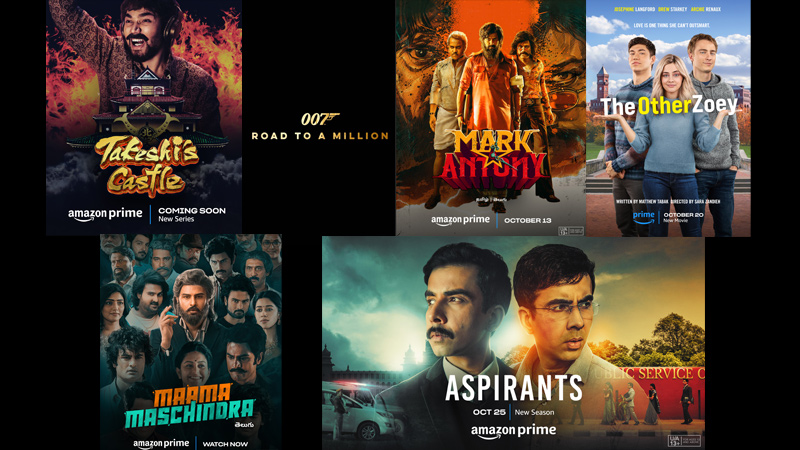
Rohit Raj and Bhuvan Bam’s partnership resulted in remarkable accomplishments, such as “Plus Minus” winning the Filmfare Award for Best Short Film in 2019, their show “Dhindora” garnering over half a billion views, and then their first OTT show, “Taaza Khabar,” achieved unprecedented success. Most recently, BB Ki Vines Productions made waves in the entertainment scene by reimagining “Takeshi’s Castle” on Amazon Prime. From an engineering dropout to becoming the driving force behind Bhuvan Bam’s BB Ki Vines, Rohit Raj is a trailblazer in the entertainment industry.
Delving deeper into his entrepreneurial journey and learning about his broader visions, Indian Television conversed with BB Ki Vines Productions founder and CEO Rohit Raj.
Edited Excerpts:
On the inspiration behind venturing into organising small-scale events at such a young age
Like any other normal Indian family’s child, I followed my father’s goal and enrolled in an engineering college when I was eighteen years old. But by the end of my first year, I had left out to follow my interests in journalism and public communication, which was the start of my quest to discover my calling. Three months into my undergraduate career, I was managing Rohit Raj Events, a firm that was born out of sheer resolve.
On the story behind the collaboration with Bhuvan Bam and the inception of BB Ki Vines in 2015
My involvement in concert and college festival planning introduced me to the artist management sector. It was via this connection that I met Bhuvan Bam, India’s largest digital content developer, and began my career as the country’s first independent talent manager and digital media entrepreneur.
When I was 22, Bhuvan Bam and I collaborated to make BB Ki Vines grow and attract major Indian audiences. We smashed through barriers on our path, partnering with organisations like Sprite, the World Economic Forum, the NBA, and more. A turning point was when Guneet Monga, an Oscar winner, co-produced “Plus Minus” on YouTube, which took home the Filmfare Award for the best short film.
On the challenges that you faced in the entertainment industry, and on overcoming them on your path to success
Being eighteen when I started, I initially found it difficult to make connections and networks because of my age. Have hardly any contacts that I cultivated over time. Additionally, I was the first independent digital creator manager when I began managing Bhuvan, so there were no competitors or comparisons. I had the chance to pave the way for up-and-coming inventors and their talent managers at that time because there were no set regulations. My main thought was to make my message wherever I could and needed to, without considering commercials or publicity. Additionally, my goal was to see the good in criticism and turn it to my advantage. I cleared my path and continued to learn more and more about the field. To conquer any obstacle, it also helped to be at the right place at the right moment.
On your most memorable moments and milestones that stand out in your career
With 30 successful brand endorsements under its belt and a monthly reach of 50 million, BB Ki Vines became the first Indian YouTube channel to hit the 10 million subscribers milestone. The fact that I, as the founder of BB Ki Vines Productions, have produced shows like “Dhindora” on YouTube, “Taaza Khabar” on Disney+Hotstar, “Rafta Rafta” on Amazon Mini TV, and the reimagining of the well-known children’s reality program “Takeshi’s Castle” is evidence of our unwavering dedication to explore the uncharted, innovating fearlessly, and offering the best entertainment possible to the audiences. With over 4.5 billion views between us, we were pioneers in the field of digital content creation and enjoyed enormous success and acclaim for these shows and for the content we put out.
On the creative process behind these milestones – from winning the Filmfare Award for “Plus Minus” to the success of “Dhindora” and “Taaza Khabar”; and your approach in reimagining “Takeshi’s Castle” on Amazon Prime
Trusting the writing and having faith in the writers and the team who assisted us in coming up with the creative ideas is the first and most important rule in the storytelling process. While Dhindhora was the initial project we had always thought of as BBKV Production’s next step, our team was genuinely committed to helping us realise the vision we had in mind. We worked together with some of the best writers and creators in India to generate stories that we loved and that the public would enjoy.
We had a fascinating group of writers for Takeshi’s Castle who collaborated closely with Bhuvan to craft a unique experience for Titu Mama, who was one of his first characters to star in a show of his own and be connected to such a significant global IP.
The creative process is always simple because the writers always work together more with the creator and have a better understanding of what the audience will find most appealing. We also challenge their writings and reasoning to ensure that we are not acting irrationally and that we know what we are doing, but most importantly, we trust their skill in storytelling and writing to help the audience relate to what we are presenting on screen.
On balancing your roles as an entrepreneur with ownership of an event management company and hotels
Since my father manages the hotel industry primarily I am involved in a passive manner, I like to be more involved with my event management business and the production side of things at BB Ki Vines. I play a variety of roles as an entrepreneur since I interact with a variety of people on a daily basis. I’ve always liked being the guy behind anything that amuses people, so I rise to every obstacle and challenge that comes my way. I make an effort to conquer it so that every day at the end of the day, I feel victorious. I’ve managed to balance around in this way. Of course, my team manages the majority of it as well. As a result, their presence and support enable me to organise a sizable production or event.
On aligning your philanthropic efforts with your vision for inclusivity and the initiatives that you’ve undertaken to offer opportunities to individuals from smaller towns in the entertainment industry
To be honest, we have always collaborated with directors who have previously worked with individuals who possess some degree of merit, whether you are seeing our Dhindhora team or the team behind Taaza Khabar or Rafta Rafta. Gayatri Bhardwaj made her Dhindora debut with us. We also got Vishal and Iman to make their directorial debuts in two more series. Since we did, we are currently creating a few stories written by novice authors in an effort to eventually help them. We also wish to support those who choose to take action. We aim to assist them in finding a role and, in a sense, telling their story through our casting process. Thus, in addition to striving to provide writers and other creators with a platform from which to convey their stories through our work and help, we are also working in a sort of partnership with young, inexperienced people.
On your future plans and aspirations
We just have plans for the ensuing half-year. However, given we are in production we have to plan for the year at least. For the coming year, we are planning to go on the floor with four different kinds of productions. They are all very different and there are of course Season 2’s. The focus for us is to create and tell more stories that are entertaining and leave some sort of a thought or an aftertaste with people that creates discussions amongst people. We want to tell stories that empower a lot of people and my aspiration is to have one show launching on each OTT platform in a year.