GECs
ITC closes public consultation on programme code


LONDON: The Independent Television Commission (ITC) has announced that its public consultation on proposed changes to its Programme Code has now ended.
ITC is the body that licenses and regulates commercially funded television services in the UK.
The proposed revisions were intended to clarify section 1.10 of the Code and enable some demonstrations of clairvoyance and similar practices in a clearly marked entertainment context, as well as in investigative programming.

The ITC received 208 responses to the consultation. Six were from ITC licensees or their representatives, 21 from other organisations and 181 from individual members of the public.
A wide range of opinions were represented. Respondents included spiritualists, astrologers, academics, Christians, humanists and secularists. There were also around 600 coupons which were the result of a write-in campaign promoted through Psychic News.
Responses are now being followed up and ITC will publish its conclusions later in the year.







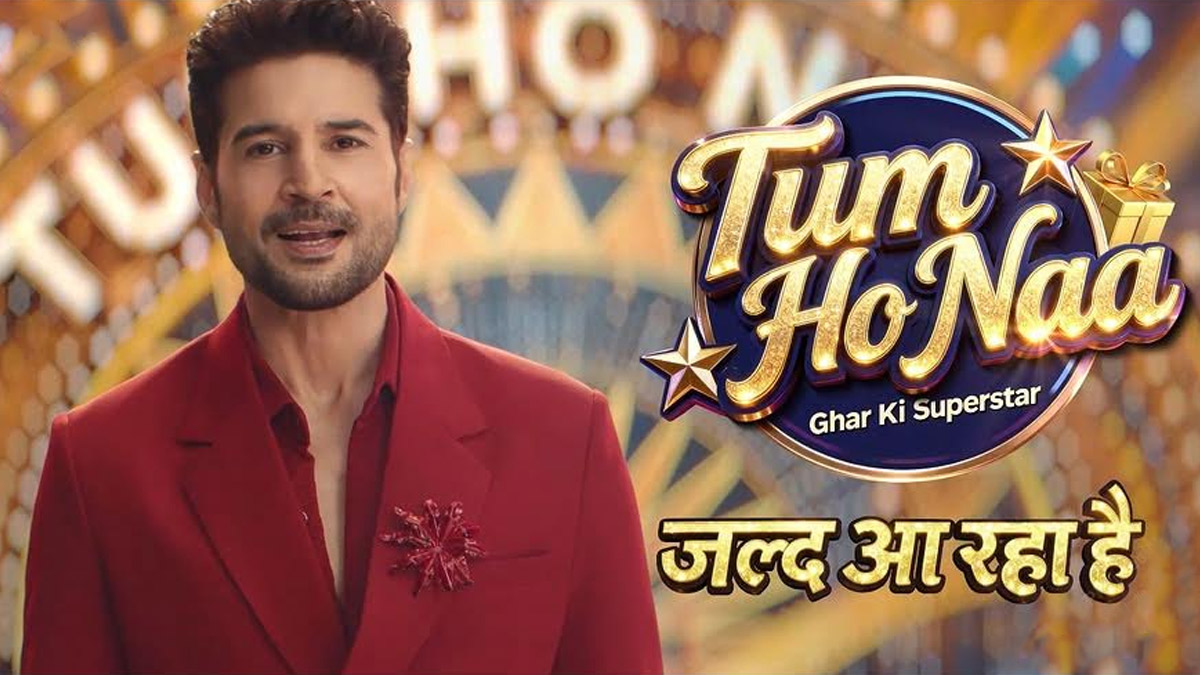
MUMBAI: Lights, camera… connection because this time, the game isn’t just about winning, it’s about who’s with you. Sony Pictures Networks India is gearing up to launch a new reality game show, Tum Ho Naa, expanding its unscripted slate with a format that promises both emotion and engagement.
The show will premiere soon on Sony Entertainment Television and stream on Sony LIV, with Rajeev Khandelwal stepping in as host. Known for his measured screen presence and selective choices, Khandelwal’s return to television adds a layer of familiarity and credibility to the upcoming format.
While specific details of the gameplay remain under wraps, the positioning suggests a reality format that leans as much on emotional resonance as it does on competition, an increasingly popular blend in Indian television, where audiences are gravitating towards content that offers both stakes and storytelling.
Khandelwal, reflecting on his return, noted that his choices have often been guided by instinct rather than convention, describing Tum Ho Naa as a project that feels “close to the heart”. His association also signals Sony’s continued focus on anchoring new formats with recognisable faces who bring both relatability and depth.
The launch comes at a time when broadcasters are doubling down on original non-fiction formats to drive appointment viewing, even as digital platforms expand parallel reach. By placing the show across both linear television and OTT, Sony appears to be aiming for a dual-audience strategy capturing traditional viewers while engaging digital-first consumers.
As the countdown to premiere begins, Tum Ho Naa positions itself not just as another game show, but as a reminder that sometimes, the biggest prize on screen isn’t the jackpot, it’s the journey shared along the way.






