Connect with us

iWorld

IPRS rolls out dual push for artistic expression and creator rights in Goa

Published

on

GOA: The Indian Performing Right Society is gearing up for a blockbuster December in Goa, launching a two-pronged bid to champion India’s musical talent: a high-energy showcase at the Serendipity Arts Festival 2025 and the debut of its first IP Hub, a nationwide initiative designed to arm creators with knowledge, tools and control over their work.

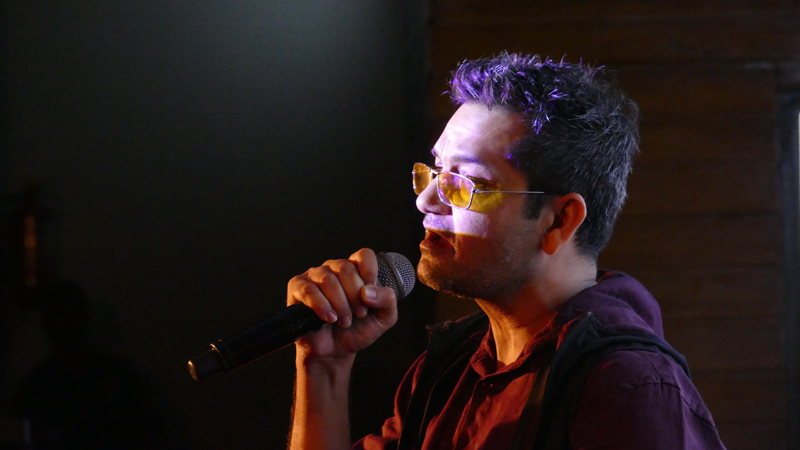
From 15–20 December at Azad Maidan, the IPRS Stage will light up Panaji with a line-up that cuts across regions, genres and generations. The Vayali Bamboo Band will open the stage on 15 December with their handcrafted instruments and earth-rooted sound. In the days that follow, audiences will hear Gulabi Vinyl’s blend of thumri, dadra and ghazals; Beintehaan, a lush curation by songwriter and filmmaker Mayur Puri; the Sufi pulse of Rooh-e-Qawwali led by Shahbaaz Hussain Khan of the Gwalior Gharana; and the rising Ladakhi powerhouse Dashugs, who close the showcase with their mountain-bred sonic grit.

But the festival stage is only half the story. IPRS is also launching its first IP Hub at the Future School of Performing Arts in Goa, the start of a wider network aimed at demystifying copyright, royalties, metadata and monetisation for regional creators. The Hub promises accessible guidance, local-language resources and community-driven learning—an antidote to an industry where too many artists remain uninformed about how to protect their work.

Advertisement

IPRS chief executive Rakesh Nigam called the month a turning point for the organisation, saying the two initiatives “celebrate creativity and strengthen the ecosystem from the ground up”. The Hub’s opening will include an interactive session on 18 December, with insights from creators and industry voices including Puri.

Nilesh Thomas, chief academic officer at the Future School of Performing Arts, said the partnership fits neatly with the school’s goal of preparing creators for sustainable careers that balance artistic growth with industry know-how.

With a festival stage that spotlights India’s sonic brilliance and a grassroots hub built to safeguard the people behind it, IPRS is making a loud, clear statement: the future of Indian music needs celebration—and protection. One beat, one right, one creator at a time.

 

Advertisement
Click to comment

Leave a Reply

Your email address will not be published. Required fields are marked *

iWorld

WhatsApp may soon let users to pick who sees their status updates

The messaging giant is borrowing a page from Instagram’s playbook as it pushes to give users finer control over their social circles.

Published

on

CALIFORNIA: WhatsApp is quietly working on a feature that could make its Status function considerably smarter and considerably more private.

According to reports from beta tracking platforms, the app is testing a tool called Status lists, which would allow users to create named groups such as close friends, family and colleagues, and control precisely which group sees each update. It is a meaningful step up from the platform’s current blunt instruments, which offer only three options: share with all contacts, exclude specific people, or manually select individuals each time.

The new feature draws an obvious comparison with Instagram’s Close Friends function, and the resemblance is unlikely to be accidental. Both platforms sit within Meta’s family, and the company has been nudging them toward a common logic of audience segmentation for some time.

Advertisement

The move also fits neatly into WhatsApp’s broader privacy push. The platform has been rolling out enhanced chat protections and is exploring the introduction of usernames, which would allow users to connect without exchanging phone numbers. Status lists extend that philosophy from messaging into broadcasting.

Meanwhile, Status itself has been evolving well beyond its origins as a simple photo-and-text slideshow. The feature now supports music stickers, collages, longer videos and interactive elements, pushing it closer to the social-media-style story format pioneered by Snapchat and refined by Instagram. In that context, finer audience controls are not merely a privacy feature. They are a precondition for people sharing more.

The feature remains in development and has not been confirmed for release. WhatsApp routinely tests tools that are later modified or quietly shelved. But the direction of travel is clear: the app wants Status to be a destination, not an afterthought. Letting users decide exactly who is in the audience is how it gets there.

Advertisement
Continue Reading

Advertisement News18
Advertisement
Advertisement
Advertisement
Advertisement Whtasapp
Advertisement Year Enders

Indian Television Dot Com Pvt Ltd

Signup for news and special offers!

Copyright © 2026 Indian Television Dot Com PVT LTD

This will close in 10 seconds