iWorld
IPL hit for a six as brand value dips 20pc amid regional turbulence

MUMBAI: Cricket’s biggest carnival just found itself bowled by geopolitics. The Indian Premier League (IPL) usually immune to economic jolts has taken a rare hit, with its ecosystem value slipping 20 per cent from $12 billion to $9.6 billion in 2025, according to Brand Finance’s latest report. A week-long suspension of matches, including play-offs, due to regional conflict and safety concerns meant the world’s most valuable cricket league finally felt the heat off the pitch.
But if history has taught anything, it’s that the IPL doesn’t stay down for long. The league has suffered only one other dip in its history in 2020, thanks to COVID-19 and bio-bubbles, yet has grown steadily over the decade. And even in a turbulent year, the 2025 season delivered a staggering 384.6 billion minutes of online watch-time, a record that proves India may pause cricket, but it never looks away.

At the top of the team-value table, Mumbai Indians ($108 million) reclaimed the No 1 spot, powered by a fiercely loyal fan base and consistently strong brand management. MI also held on to third place in brand strength with a BSI of 85/100.
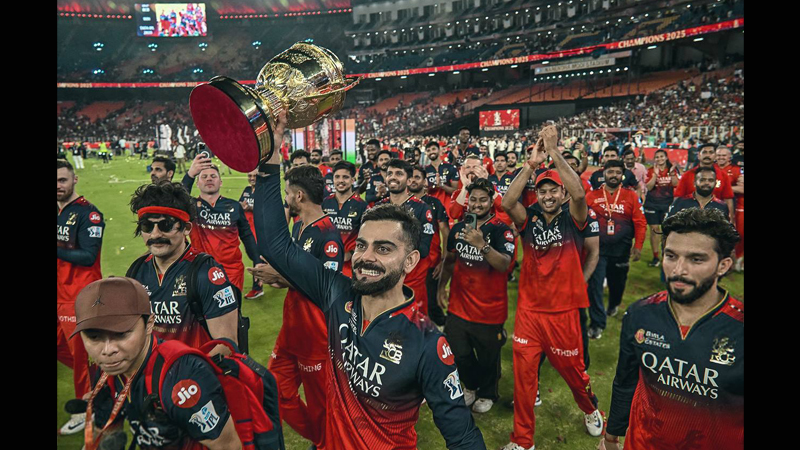
The emotional story of the season, however, belonged to Royal Challengers Bangalore. Ending an 18-year title drought catapulted RCB to second place at $105 million, while its electric fan base pushed it to the No 2 spot in brand strength at 89.5/100. The celebrations did turn chaotic with a stampede at the home stadium, creating a PR setback that the team will now need to course-correct.
Meanwhile, Chennai Super Kings, despite an inconsistent season clouded by leadership and squad uncertainties, retained their crown as the strongest franchise for the third straight year, boasting a league-best BSI of 92.6/100. CSK’s cultural muscle, passionate fans, sticky digital content and long-term sponsors remains unmatched.

Beyond the men’s league, the Women’s Premier League (WPL) is scripting its own surge. In just 15 games, the 2025 season pulled 103 million TV viewers, supported by 70-plus brands from beauty to BFSI. Franchise sponsorships grew 10–20 per cent, and central deals rose around 10 per cent, cementing the WPL as one of India’s fastest-growing sports properties.
“The IPL stands as a testament to the perseverance and transformative power of sport,” said Brand Finance India managing director Ajimon Francis. Even with a 20 per cent drop, he added, IPL’s engagement and global footprint remain unrivalled.
With fans from Australia to the UAE, Saudi Arabia and South Africa tuning in, Brand IPL continues to prove one thing: even in a shaky year, cricket’s biggest brand still knows how to stay in play.






