GECs
IPL, FTA channels boost TV advertising by 10.3% in FY18: KPMG report

MUMBAI: The media and entertainment industry is now on the road to recovery after facing headwinds due to major regulatory interventions such as demonetisation, GST and RERA, resulting in lower consumption and ad spend during FY18.
The KPMG in India’s – Media and Entertainment report 2018, launched on 5 September 2018, stated that strong and consistent economic growth fueled by a rise in consumption and growth in digitisation provided support, enabling the Indian media and entertainment (M&E) industry to grow at 11 per cent over FY17 to reach Rs 1,436 billion in FY18.
The TV industry in India was estimated at Rs 652 billion in FY18, a growth of 9.5 per cent from FY17, having grown at a CAGR of 10.7 per cent between FY14-18. The market size consisted of advertisement revenues of Rs 224 billion and subscription revenues of Rs 428 billion in FY18.

Television advertising grew at a rate of 10.3 per cent in FY18, aided by the strong performance of Indian Premier League (IPL), free-to-air (FTA) channels and consumer promotions by FMCG companies in the festive season. FMCG, telecom and auto sectors contributed more than two-thirds of the spends on television advertising in India. However, the first half of FY18 was majorly impacted by the implementation of GST and RERA as FMCG and real estate companies kept their ad spends on hold. Large broadcasters with a client base of national advertisers were less impacted than the ones with a predominantly local advertiser base.
The long term outlook for the M&E sector remains strong on the back of a buoyant Indian economy, robust domestic demand, particularly in rural and regional markets and growing digital access and consumption. This year, telecom-media-technology (TMT) convergence took centre stage. This has the potential to significantly change how media is created, distributed and consumed and media companies need to take a relook at their strategies and business models to successfully operate and thrive in the new paradigm.
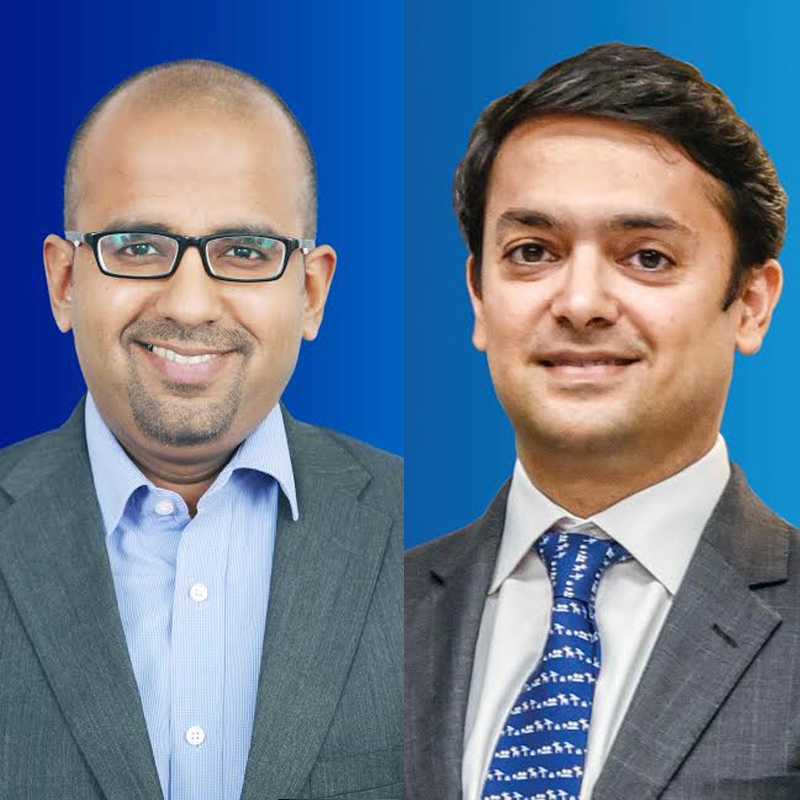
KPMG in India partner and head – media and entertainment Girish Menon said, “The India media and entertainment industry was affected by lower ad spend in FY18 due to goods and services tax (GST) rollout and the lingering effects of demonetisation. However, this effect has been temporary and the industry is seeing positive long term outlook on the back of rapid growth in digital access and consumption, coupled with strong domestic demand especially from the rural and regional markets. The sector grew by 10.9 per cent in FY18 to reach Rs 1,436 billion and it is expected to grow at a CAGR of 13.1 per cent over the next five years to reach Rs 2,660.2 billion by FY23. Growing presence of telecom and technology players in media distribution has led to convergence of business models across TMT and media companies will have to evolve to successfully operate in the new paradigm.”
According to the report, digital advertisement revenues have been growing rapidly in India, and the trend continued in FY18 with a growth of 35 per cent to reach Rs 116.3 billion. Key growth drivers were developments in digital infrastructure; increased inclusion of and adoption by regional, non-urban users; increase in the penetration of mobile phones; and increase in maturity in the digital ecosystem driven by public and private investments.
KPMG in India head – technology media and telecom Mritunjay Kapur said, “Digital technology, coupled with radical shifts in consumption patterns have undeniably resulted in blurring of boundaries that define the TMT sectors. TMT convergence is now a reality and will likely cause significant disruptions across the value chain. Media organisations would need to re-evaluate their existing strategies and operating models to leverage the emerging opportunities and sustain against new evolving challenges.”
Mobile gaming in India has seen a tremendous uptick. From a meagre contribution of 18 per cent in 2012 (the smallest segment), mobile gaming comprised 46 per cent of the global gaming revenue in 2017 and this number is set to reach 60 per cent by 2021. Mobile gaming already leads from the front in India with nearly 89 per cent of all gaming revenue in India generated by mobile games in 2017. The higher than expected growth in online gaming over the past 18 months has primarily been on account of the mobile gaming segment, which has benefitted from the fall in 3G and 4G data costs. “On the other hand, Esport is a very niche market and while it is growing, I’m not sure that it is going to become a very sizable number. The bulk of the gaming revenue is going to come from the online gaming business,” Menon added.







GECs
Sahara One reports financial results, notes director exit and business realignment
Muted revenues, steady expenses and strategic adjustments shape company’s current phase

MUMBAI: In a tale where the sands seem to be slipping faster than they can be gathered, Sahara One Media and Entertainment Limited has reported another quarter of wafer-thin income and widening losses, even as a boardroom exit adds to the unease.
The company informed the Bombay Stock Exchange that its board, in a meeting held on April 4, approved its unaudited financial results for the quarter ended September 30, 2025. The numbers paint a stark picture. Total income for the quarter stood at just Rs 0.13 lakh, unchanged sequentially and sharply down from Rs 0.26 lakh a year earlier.
Losses, meanwhile, deepened. The company posted a net loss of Rs 24.16 lakh for the quarter, compared to Rs 18.81 lakh in the June quarter and Rs 39.69 lakh in the same period last year. For the six months ended September 2025, the cumulative loss stood at Rs 39.69 lakh, while the full-year loss for FY25 was reported at Rs 60.72 lakh.
Expenses continued to outweigh income by a wide margin. Total expenses for the quarter came in at Rs 24.30 lakh, led by employee benefit costs of Rs 6.51 lakh and other expenses of Rs 17.78 lakh. Earnings per share remained in the red at Rs (0.11) for the quarter.
The balance sheet reflects a company with significant assets on paper but limited operational momentum. Total assets stood at Rs 23,065.57 lakh as of September 30, 2025, broadly unchanged from March 2025. Equity share capital remained steady at Rs 2,152.50 lakh, while total equity was reported at Rs 18,004.85 lakh.
Cash and cash equivalents saw a modest uptick to Rs 6.75 lakh from Rs 4.68 lakh earlier, supported by a positive operating cash flow of Rs 180.01 lakh for the period.
Yet, beneath these numbers lies a more complex narrative. The company’s auditors flagged their inability to obtain sufficient evidence to form a conclusion on the financial statements, citing lack of access to records. They also raised concerns over the company’s ability to continue as a going concern, pointing to insufficient funds, delayed recoveries, and stalled content investments.
Adding to the governance overhang, the company disclosed that Rana Zia has resigned as whole-time director, effective October 16, 2025, citing other professional commitments. The resignation, noted and accepted by the board, also brings an end to her role across company committees.
Regulatory pressures continue to loom large. The Securities and Exchange Board of India has already initiated penal actions for non-compliance with listing norms, with trading in the company’s shares remaining suspended. There is also a risk of promoter demat accounts being frozen.
Legacy legal issues remain unresolved. A substantial deposit of Rs 694,027.88 thousand linked to the long-running OFCD dispute involving Sahara group entities is still under the purview of the Supreme Court of India. Restrictions on asset disposal continue to weigh on the company’s financial flexibility.
Operationally, challenges persist across multiple fronts. Advances worth Rs 1,92,916 thousand given for film content remain stuck, with delays in project completion and uncertain recoverability. The company’s YouTube channel, despite being operational, has generated no revenue for over three years due to compliance lapses. In a further twist, management has indicated that revenues may have been fraudulently diverted through unauthorised changes to its AdSense account, with a police complaint in the works.
There are also missed revenue opportunities. Television content rights continue to be used by a related party despite the expiry of the licence agreement, with fresh negotiations still underway.
For now, Sahara One Media and Entertainment Limited appears caught between legacy disputes and present-day operational hurdles. As losses linger and governance questions mount, the road to recovery looks less like a sprint and more like a slow trudge through shifting sands.






