eNews
iPhone Air designer Abidur Chowdhury quits Apple

CUPERTINO: Apple has lost one of its rising stars. Abidur Chowdhury, the industrial designer who helped build the iPhone Air and fronted its slick launch video, has quit the California giant to join an artificial intelligence startup, the LA Times reported on Tuesday, 18 November.
The move has caused a flutter inside Apple, say people familiar with the matter, given Chowdhury’s growing clout within the design ranks. He was hand-picked to introduce the iPhone Air at the firm’s September 2025 event, appearing in a two-minute film detailing the device’s design journey, an assignment usually reserved for the company’s most trusted creatives. Apple refused to comment.
Chowdhury, born and raised in England, studied product design and technology at Loughborough University. He began his career as an industrial design intern at Cambridge Consultants in 2015, followed by a stint at Curventa in 2016. In 2017, he joined Layer Design as an industrial designer before moving into freelance consulting in 2018. Apple hired him in January 2019, shortly after design chief Jony Ive’s departure marked the end of an era stretching back to Steve Jobs.

During his six-plus years in Cupertino, Chowdhury played a key role in shaping the iPhone Air and contributed heavily to its marketing push, according to the news report. His LinkedIn profile still lists him as an Apple employee as of 18 November 2025.
His exit is said to be unrelated to the phone’s debut. Apple is already gearing up for a second generation of the iPhone Air in 2027, Bloomberg reported. Silicon Valley is now watching what Chowdhury cooks up next, as his shift from hardware hero to AI adventurer signals that the real design battles may only just be starting.







eNews
Piyush Thakur steps down as Inshorts’ chief revenue officer
Former vice president and cro says exit marks a new chapter after close to a decade of building revenue and partnerships at Inshorts Group.
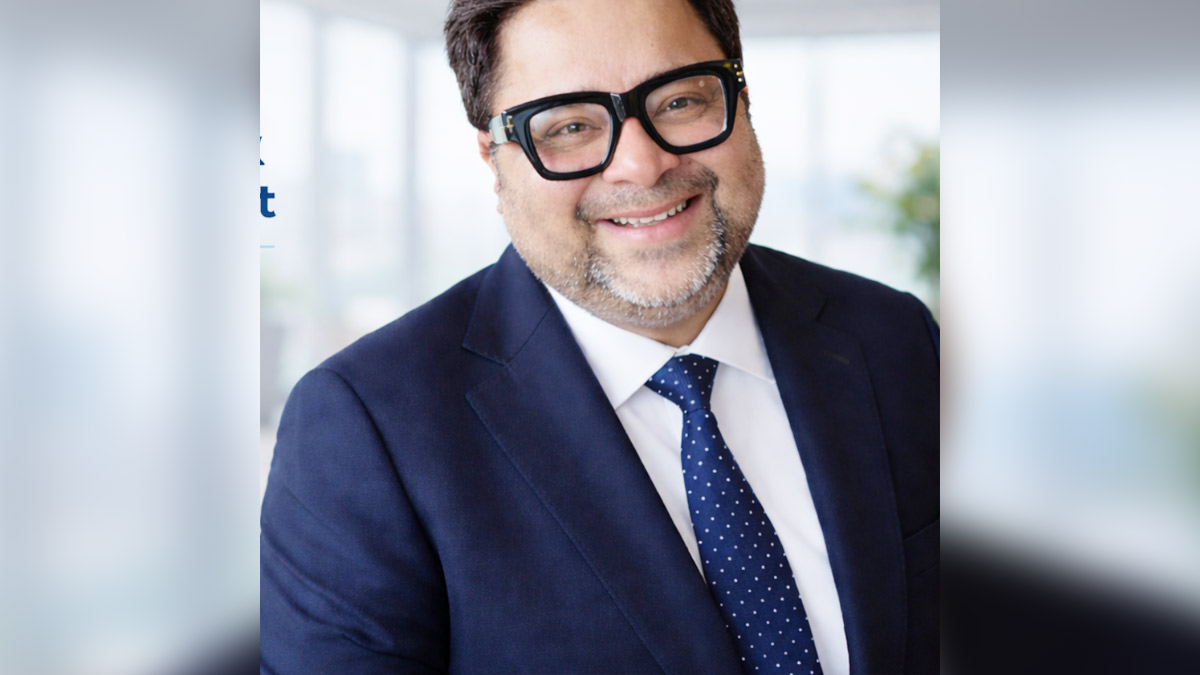
NOIDA: Piyush Thakur has stepped away from Inshorts Group after nearly 10 years with the company, marking the end of a long tenure that culminated in his role as chief revenue officer.
In a farewell note, Thakur said he was “turning a new page” after almost a decade at Inshorts, calling it one of the hardest professional decisions he has made. He added that his exit was not driven by uncertainty about the future, but by reflection on a long association with the company.
Thakur joined Inshorts in October 2016 as vice president and spent around seven years in the role before being elevated to chief revenue officer in April 2024, a position he held until April 2026.
He said his tenure was defined by “thousands of mornings, late nights, product debates and breakthrough moments”, as the company evolved into a large-scale digital news platform used by millions.
In his note, Thakur emphasised that Inshorts’ growth was a collective effort across teams, adding that engineers, designers, sales teams and customer support staff all contributed to building the platform. He said the company’s success was not the result of individuals but of “everyone who stayed, passed through, and left their mark”.
Before Inshorts, Thakur worked across several digital media and business development roles. At ESPN, he served as senior regional manager from October 2015 to October 2016, focusing on growth initiatives, strategic opportunities and video distribution.
At Times Internet, he worked for nearly three years, including as head of business development from April 2015 to September 2015 and chief manager from January 2013 to March 2015. His responsibilities included monetisation of mobile platforms, managing media and developer partnerships, and driving revenue across digital properties such as The Times of India and The Economic Times.
Earlier, he worked at Brandmovers as head of business development from June 2012 to June 2013, handling digital, mobile and social media marketing solutions, client development and strategic consulting. During this period, he also worked on advertising revenue, brand strategy and CRM-based solutions.
At Inshorts, Thakur’s role focused on revenue strategy, mobile and media partnerships, and growth initiatives across platforms. His profile highlights experience in mobile product management, digital business models, partner ecosystems and revenue expansion in high-growth environments.







