Hindi
Industry remains cautiously optimistic with reopening of cinema halls

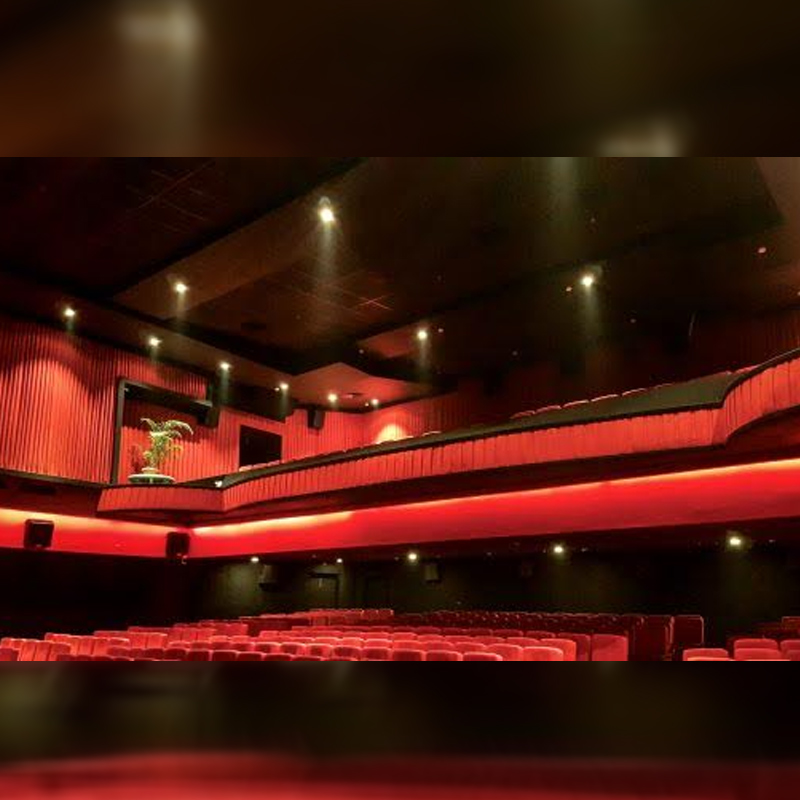
KOLKATA: For people across the film exhibition industry, the Unlock 5.0 guidelines have brought them a reason to smile. On Wednesday evening, the ministry of Home Affairs (MHA) allowed opening of cinema halls from 15 October with 50 per cent seating capacity. As the sector is back in business, the stakeholders rejoice the decision despite persisting challenges.
The reopening of the cinema halls is a critical point for the industry that has been struggling in the face of the pandemic. Even before the nationwide lockdown started, cinema halls shut fearing the spread of Covid2019. Being out of the business for nearly seven months, the cinema owners have been asking for some respite for quite some time now. Last month, the Multiplex Association of India (MAI) appealed to the government to allow theatres to reopen “on an urgent basis”. The association has “wholeheartedly” welcomed the latest decision of the government. Back in June, a survey from Book My Show stated that 54 per cent of Indians want to catch their favourite films in cinemas within 15-90 days of opening up.
“Millions of movie lovers, employees of the cinema exhibition sector, along with the entire film industry were eagerly awaiting this announcement. We would like to extend our heartfelt gratitude to the MHA and the ministry of Information and Broadcasting (MIB) for their support and guidance. We are committed to ensure a safe, secure and a hygienic cinema going experience for the movie lovers of our country, as always, we would continue to assign top-most priority to the health and well-being of our guests and employees,” MAI stated.

The multiplex owners have expressed an equal amount of satisfaction around the announcement. Carnival Cinemas managing director PV Sunil said this is the right time to open up with Diwali around the corner. Sunil opined that 50 per cent capacity is better than what they had predicted would be allowed. The industry had been proposing a 50 per cent capacity. Most of the countries are also following the same norm. As of now, Carnival’s software is being modified in accordance with that so that the audience has a seamless experience while booking tickets online.
“This is a welcome move by both the west Bengal government and the central government. So many people are associated with the industry, so much money is at stake, the industry was losing almost Rs 1,500 crore every month while it was shut. We are happy that we are able to restart and people will be able to go back to the practice of going to a movie theatre.” SVF Cinemas head Rudra Prosad Daw said, the movie chain which operates in east India.
While a part of the industry has been worried about the seating capacity limits eating up their profits, Daw said that it is a good percentage in the initial phase. He added that average footfall over the year is on an average 32 per cent, although it is higher excluding the southern part. However, he noted that for big blockbuster releases, the footfall goes up to 80-90 per cent during the weekend which could be a cause of discomfort. Daw emphasised that safety would be put at highest priority, for both audience and staff members.
Ambient director Deepak Kumar welcomed the move and said it would help cinema halls to be better prepared to welcome its consumers like most of the establishments have done that have resumed operations in a phased manner. According to him, cinema halls opening with 50 per cent seating capacity is a step in the right direction. Moreover, as the cinema halls are usually located within a mall, it would also add up to the footfall count. The decision will not just help the owners but also its ancillary.
The return of cinema halls to business came as a relief for the studios too which have halted many of their releases. Many of the OTT platforms may have opted for digital premiers giving some breather to the production houses but the number is too limited compared to overall pending movie slate.
“The reopening of theatres is a relief for studios and theatre owners while once again offering audiences the unparalleled experience of watching movies on big screens. We are looking forward to entertaining audiences in this era of the “new normal”. The pandemic has led to a surge of content consumption across genres and platforms and this is a hugely encouraging indicator for content creators and providers. Cinema is and will always continue to remain an expression of creativity and imagination and we look forward to fostering a stronger bond with our audiences,” Eros Motion Pictures COO Shikha Kapur said.
But now the eyes are at states like Maharashtra, which has decided to continue the shut down till 31 October. Elara Capital VP – research analyst (media) Karan Taurani said that pan India opening is expected around Diwali or latest by late November. Hence, he opined that large scale content or a big Hindi film is not to hit cinemas before December. SVF Cinema’s Daw also added that they have not heard from Bollywood yet while its parent company SVF and some other producers in west Bengal has already planned releases around Durga Puja.
“We are cognisant of the prevalent environment and will monitor this on an ongoing basis to determine our release strategy. With regards to our content slate, Eros has an exciting line-up of films for which announcements will be made at an appropriate time,” Kapur added.
Adding to concerns regarding the fresh releases, analysts believe impact on revenues coming from food and beverages (F&B) and advertising may last longer. “F&B will be under pressure as consumers may not be open to consuming food in cinemas; further, affordability levels too may negatively affect overall F&B spending vs pre-Covid times. Advertising revenue, which is too high margin in nature, will see a negative impact as occupancy in our view will remain restricted until active cases become negligible or a vaccine is launched,” Elara Capital said in a report.
However, Ambient’s Kumar is optimistic. He stated brands would flock back to cinema halls as cinema is an efficient advertising medium which ensures 100 per cent captive audience.







Hindi
Zee5 and Applause Entertainment team up for whodunnit ‘Everybody Loves Sohrab Handa’
Rajat Kapoor directs star-studded murder mystery streaming from 10 April.
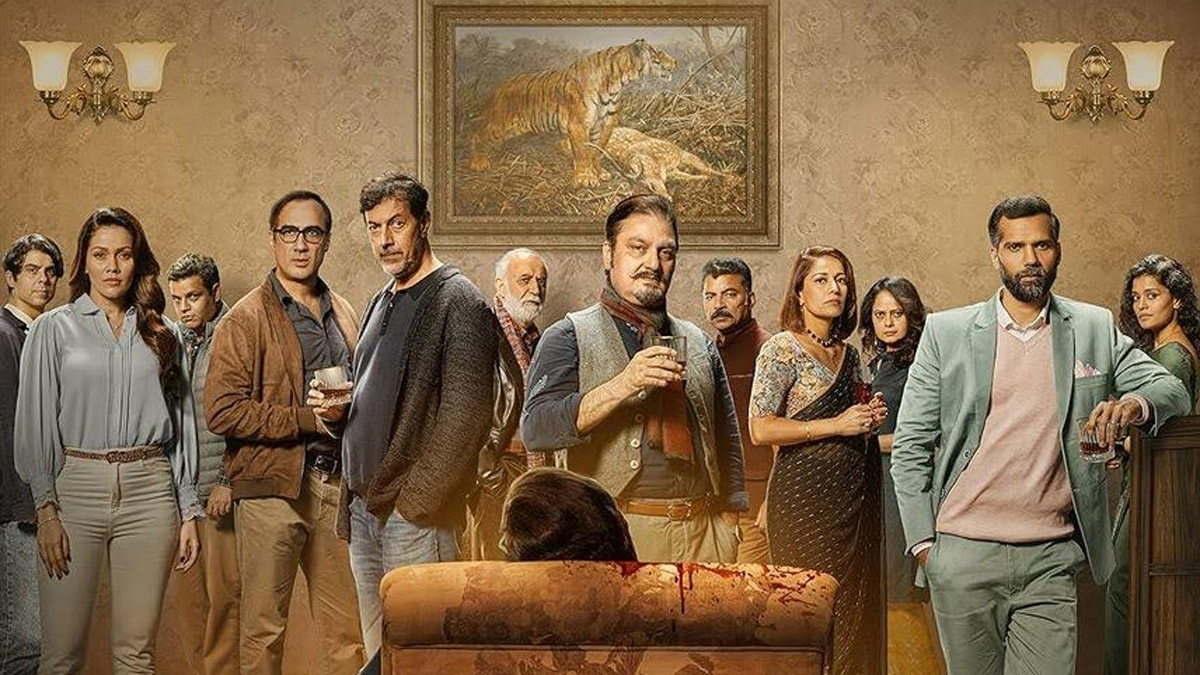
MUMBAI: Zee5 is serving up another killer collaboration and this time, the murder mystery comes with a generous side of dark humour and family dysfunction. The streaming platform has partnered with Applause Entertainment and Mithya Talkies to bring Everybody Loves Sohrab Handa, a fresh, twisted whodunnit written and directed by acclaimed filmmaker and actor Rajat Kapoor. The film will stream exclusively on Hindi Zee5 from 10 April.
The movie reimagines the classic murder mystery genre with a contemporary, darkly comic edge. It revolves around a group of friends and family who smile, drink, and celebrate together until the silence snaps and long-buried secrets spill out. The stellar ensemble cast includes Vinay Pathak, Ranvir Shorey, Waluscha De Sousa, Saurabh Shukla, Chandrachoor Rai, Neil Bhoopalam, Koel Purie, Palomi Ghosh, and Rajat Kapoor himself.
This latest offering continues the successful partnership between Zee5 and Applause Entertainment, which has previously delivered diverse hits such as Mithya, Bloody Brothers, and Jab Khuli Kitaab.
&TV Business Head of hindi Zee5 and chief channel officer Kaveri Das said, “Our collaboration with Applause Entertainment has consistently delivered distinct, high-impact storytelling. Everybody Loves Sohrab Handa is a natural progression, reinforcing our focus on genre-led content with a compelling whodunnit premise and a strong ensemble cast.”
Applause Entertainment business head for movies Sunil Chainani added, “This film adds yet another compelling layer to our slate with Rajat Kapoor’s unmistakable voice.”
Rajat Kapoor shared, “What interested me was not just the mechanics of a whodunnit, but the emotional violence that precedes physical violence. These are people who smile at each other, but there’s so much that is not said.”
The film promises razor-sharp writing, layered performances, and simmering tension, inviting viewers not just to solve the crime but to unravel the complex relationships at its heart.
If you love a good murder mystery served with wit and emotional depth, Everybody Loves Sohrab Handa looks set to be your next addictive watch. Mark your calendars, the whodunnit drops on Hindi Zee5 from 10 April.






