iWorld
India’s OTT paid video subscribers pegged at 1.3 million: Frost and Sullivan

MUMBAI: OTT (over-the-top) was the buzzword in the Indian media and entertainment sector in 2015 with multiple players firming up their game plan to tap into the lucrative and booming digital space. With the emergence of numerous OTT service providers in the past two years coupled with the entry of Netflix in India, the space is poised to grow at a fast pace in the years ahead.
According to Frost and Sullivan’s market insight on the OTT video market in India, there are about 66 million unique connected video viewers in India every month, and about 1.3 million OTT paid video subscribers. Growth in the space can be attributed to increase in smart-phones penetration as well as the improvement in Internet speed in India.
Despite facing several challenges today, the OTT market growth will be fuelled by various disruptive innovations in technology and business models over the next five years, as per Frost and Sullivan.

“With an increase in the use of smart devices in India, content owners and aggregators are using non-TV platforms to improve reach and generate revenues through subscription and advertisement. However, it’s hard to woo the Indian consumer. Success in OTT video distribution will depend on the ability to offer variety of content, new content, at a reasonable price and impeccable user experience,” said Frost and Sullivan research director Vidya Subramanian Nath.
While today a few broadcasters such as the Star TV Network and Zee Entertainment are driving services as well as viewership for OTT video with Hotstar and DittoTV respectively, over the next five years, there will be more broadcasters as well as cable and DTH operators expanding their OTT services. However, inadequate bandwidth speeds and the incumbency of YouTube in the market have challenged market participants.
“India may have over 225 million Internet users, but for consuming video, one needs high-speed broadband access and only about 35 per cent of these users have access to it, informed Nath. “OTT video subscription numbers fluctuate dramatically every month. We find that advertising video on demand (AVOD) is the most preferred mode of OTT video delivery in India currently,” she said.
Among content types, there is an increasing demand for short duration video content. This is primarily attributable to the average low Internet speeds and changing preferences of many Indian viewers. It is common to find online viewership peak during major sports events like the IPL, elections, or breaking news.
Platforms such as YouTube offer opportunities for independent content creators who can publish their videos online without the hassles of negotiation with large networks. Now, with the entry of Netflix in India, independent professional content production will continue to grow. Broadcasters who have their own content or video platforms with a variety of publishers are driving the market. While Viacom18 is all set to launch its service called VOOT next month, Ekta Kapoor’s Balaji Telefilms is also burning the midnight oil to launch its OTT platform – ALT Digital by June this year. Balaji Telefilms CEO Sameer Nair has huge expectations from the platform and expects ALT Digital to have a whopping four million paid subscribers globally by 2020.
With substantial investment being pumped in by companies like by Star India (Hotstar), Sony Pictures Networks India (Sony Liv), Zee Enterprises (dittoTV), Eros International (ErosNow) and Singtel, Sony & Warner (HOOQ) amongst others, the competition in the OTT space is set to intensify with the key differentiators being user experience and variety of content offering.






e-commerce
Instamart gold dig event at Hussain Sagar goes viral
Hyderabad activation ties to gold price lock offer ahead of Akshaya Tritiya
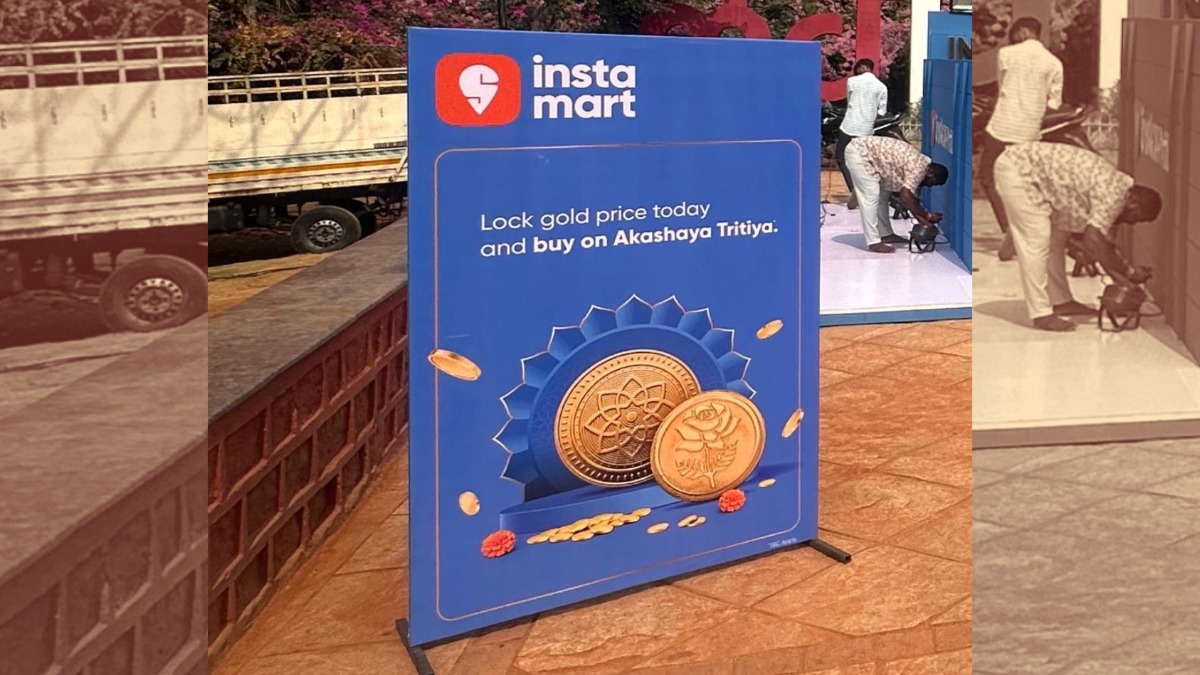
MUMBAI: All that glitters isn’t just gold, it’s also great marketing. A quirky on-ground activation by Instamart at Hussain Sagar Lake has turned into a viral spectacle, with videos of people digging for gold coins flooding social media feeds this week. The campaign, executed in collaboration with Moms, transformed a patch of the city’s iconic lakefront into what online users quickly dubbed a “mini gold rush”. Armed with spades, participants dug through a mud-filled pit in search of hidden gold coins, an activity that drew crowds, cameras and plenty of commentary online, ranging from amused disbelief to outright fascination.
At the heart of the frenzy was a promotional push for Instamart’s ‘Gold Price Lock’ feature, which allows users to secure prevailing gold rates between April 10 and April 16 and complete their purchase later during Akshaya Tritiya, a period traditionally associated with high gold buying. The mechanic cleverly blended physical participation with digital conversion, turning curiosity into a potential transaction.
Branded as ‘Gold Diggers’, the activation leaned into gamified engagement. Those who struck lucky walked away with coins, those who didn’t were nudged with a simple message: lock the price now, buy later. The result was a steady stream of footfall and a surge in user-generated content, as onlookers and participants alike documented the spectacle.
The timing is significant. India remains one of the world’s largest consumers of gold, with demand peaking around Akshaya Tritiya. Data from the World Gold Council suggests the festival alone accounts for roughly 25–30 tonnes of gold purchases annually, making it a high-stakes window for brands looking to tap into consumer sentiment.
As the ‘Gold Price Lock’ feature remains live until April 16, the campaign has already done its job turning a simple product feature into a citywide moment. Because sometimes, the quickest way to get people talking about gold isn’t to sell it, it’s to make them dig for it.