eNews
India’s internet lobby gets new chiefs to shepherd digital policy

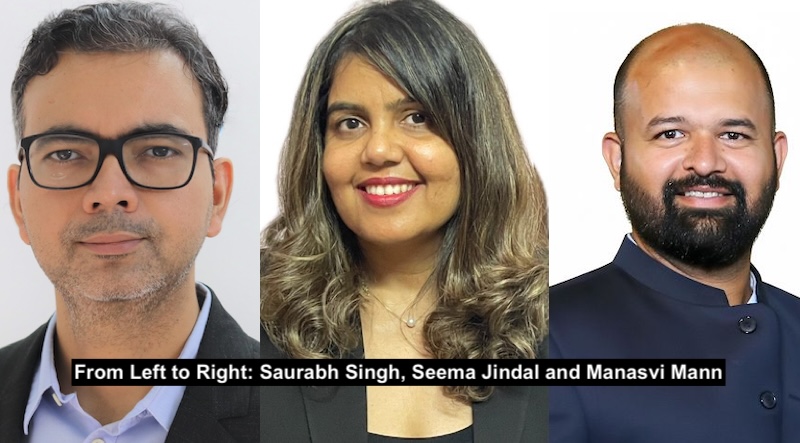
MUMBAI: India’s Internet and Mobile Association (IAMAI) has shuffled the deck at the top of its influential public policy committee, installing fresh leadership to guide the country’s booming digital sector through an increasingly complex regulatory landscape.
Amazon Web Services India & South Asia head of digital and AI policy Saurabh Singh, has been elected chairperson of the committee that shapes industry positions on everything from data governance to consumer protection. He replaces Vineeta Dixit of Spotify, who had steered the group through a period of rapid regulatory change.
Joining Singh as co-chairs are ride-hailing firm Rapido general counsel and head of corporate affairs & public policy Manasvi Mann, and Swedish caller-identification app Truecaller head of public affairs Seema Jindal. They take over from Senthil Kumar of agritech startup Ninjacart and Richa Mukherjee of fintech firm PayU.
The reshuffle comes as India’s digital economy hurtles towards the government’s ambitious target of reaching $1trillion in value. The IAMAI committee serves as the industry’s primary voice in policy discussions with New Delhi, weighing in on thorny issues like data localisation rules, platform liability and digital competition.
“Our focus will be on addressing critical digital policy matters that are relevant to our members whilst the ultimate goal would be to contribute to the national vision of building a $1 trillion digital economy,” Singh said following his appointment.
The new leadership takes charge at a pivotal moment. India’s tech sector faces mounting scrutiny over market dominance, data privacy and content moderation—issues that will require deft navigation of both domestic political pressures and global regulatory trends.
Jindal emphasised the need for industry-government collaboration to build “a safe and inclusive digital ecosystem” as India positions itself as a global digital leader. Her appointment brings telecoms expertise to a committee increasingly grappling with infrastructure and connectivity challenges.
The leadership change reflects IAMAI’s evolution from a relatively niche trade body to a powerful lobbying force representing hundreds of companies across India’s sprawling digital economy. As regulatory battles intensify, the new team will need to balance member interests whilst maintaining credibility with policymakers in the world’s most populous democracy.