I&B Ministry
India’s information ministry wages war on clutter as Diwali clean-up campaign hits fifth year

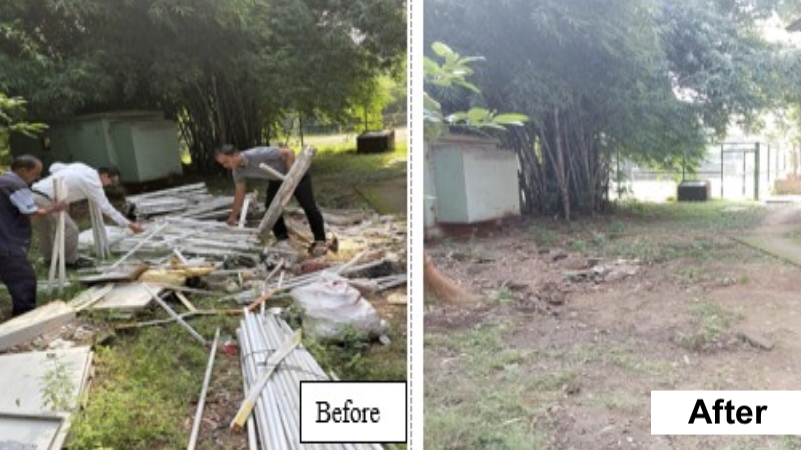
NEW DELHI: India’s ministry of information and broadcasting has turned spring cleaning into a competitive sport. Armed with bin bags and a zeal for decluttering, the ministry and its field offices have spent the first fortnight of October purging files, scrapping vehicles and flogging off mountains of metal—all in the name of Special Campaign 5.0, the government’s latest push to institutionalise cleanliness and slash bureaucratic bloat.
The campaign, which kicked off on 2 October, has already produced impressive tallies. The ministry has conducted 493 outdoor campaigns, cleaned 973 spots and condemned 104 vehicles to the scrapyard. Some 143,000 kg of scrap have been disposed of, generating Rs 34.27 lakh in revenue and freeing up 8,007 sq ft of space—enough to house a small army of civil servants, or at least their paperwork.
The assault on pendency has been equally vigorous. Officials have reviewed 13,900 physical files, weeding out 3,957, and tackled 585 electronic files, closing 165. A total of 301 public grievances, 57 appeals, 16 parliamentary references, two state government references and one prime minister’s office reference have also been cleared—proof that even the most entrenched bureaucratic backlog can be shifted with sufficient motivation.
The ministry has deployed teams of officers to field offices across the country to oversee progress, ensuring that the campaign’s lofty goals—enhanced workplace cleanliness, increased productivity and responsible e-waste management—are met with more than just lip service.
Diwali, the festival of lights, traditionally inspires Indians to scrub their homes and workplaces in anticipation of prosperity. The ministry is clearly hoping that disposing of dead weight will do the same for government efficiency. Whether the momentum lasts beyond the campaign’s end date remains to be seen—but for now, at least, India’s information bureaucracy is lighter, leaner and Rs 34 lakh richer.






