iWorld
India’s Deepstory wants to cure scrolling whiplash with sideways swiping

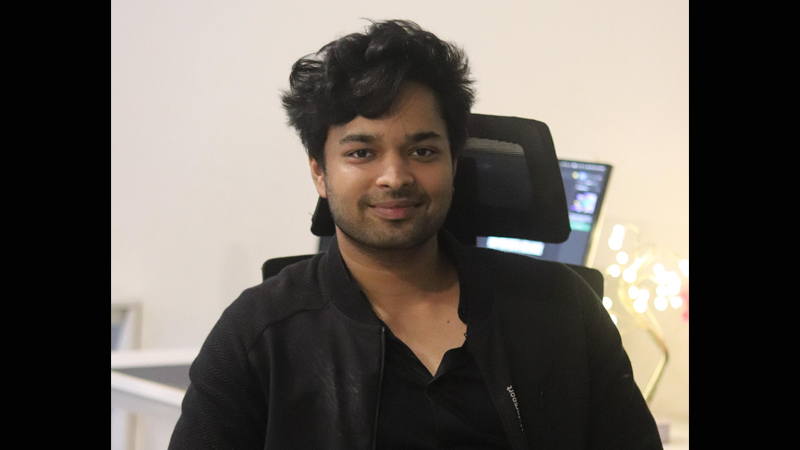
MUMBAI: Mumbai’s Deepstory has declared war on digital chaos. The short-video platform, which officially launched this month, reckons it has cracked what others missed: people don’t hate short videos, they hate the emotional ping-pong that comes with them.
The fix? Swipe left to stay on topic. Swipe up for something new. Simple enough, yet radical in execution. Where rivals hurl users from cooking clips to political rants in seconds, Deepstory lets them dwell. Each leftward swipe surfaces more creators discussing the same subject from fresh angles. No follower counts. No algorithm-chasing. Just relevance.
“Short-video apps today create emotional whiplash,” says Raj Aryan Das, founder and chief executive. “Deepstory fixes that. A left swipe shows you different creators on the same topic, so you can stay with what interests you instead of being dragged around by randomness.”

The concept germinated in 2021 as a proof of concept for investors. Company registration and research followed in 2022. The beta app launched in November 2024 and grabbed early traction until April 2025, when retention collapsed. The culprit: a weak recommendation engine that couldn’t find proper follow-up videos. Rather than tinker, Das and his team scrapped the system entirely, rebuilt it using vector intelligence and external trend signals, and accepted a temporary user exodus. The new engine now maps videos into dense topic spaces using metadata, sound, narrative cues and visual objects.
Early metrics suggest the gamble worked. Nearly 19.7 per cent of homescreen actions are left swipes—proof, the team argues, that users crave depth over distraction. View-through rates sit at 17.8 per cent. Music edits, film breakdowns, motivational clips and Formula One content are thriving.
For creators, the model offers something rare: equal billing. Every left swipe is an open slot any relevant creator can claim, regardless of audience size. Emerging voices appear alongside established names whenever their content fits. Deepstory is building a monetisation model with low fees, direct brand partnerships and a forthcoming “Motion Image” format that animates still photographs.
The business case leans on intent. Each left swipe signals real-time interest, letting brands place stories where attention is already focused. Contextual advertising delivers 30 to 40 per cent higher click-through rates than scattergun placements, according to industry data. The contextual ad market is expected to surge over the next five years as users demand relevance and privacy.
Co-founder and managing director Satyabrata Das, a four-decade media veteran who has shaped ETV, ZEE5, Zee Digital and Laqshya Media Group, sees timing on their side. “People do not dislike short videos. They dislike the chaos around them. Deepstory brings structure and mental space. For brands, it becomes easier to tell stories when the user’s mind is already on the topic.”
The platform’s sideways-storytelling approach predates similar experiments now appearing elsewhere. Meta and other platforms are testing linked-post formats where creators manually attach follow-up videos. Deepstory’s difference? A left swipe doesn’t lock viewers into one creator’s queue. It opens the topic to everyone.
Whether the world wants calmer scrolling remains to be seen. But Deepstory is betting that intentionality beats whiplash—and that India can export the cure.






iWorld
Samay Raina returns with Still Alive, confronts 2025 controversy in bold comeback special
Comeback set tackles controversy, blending humour with raw storytelling
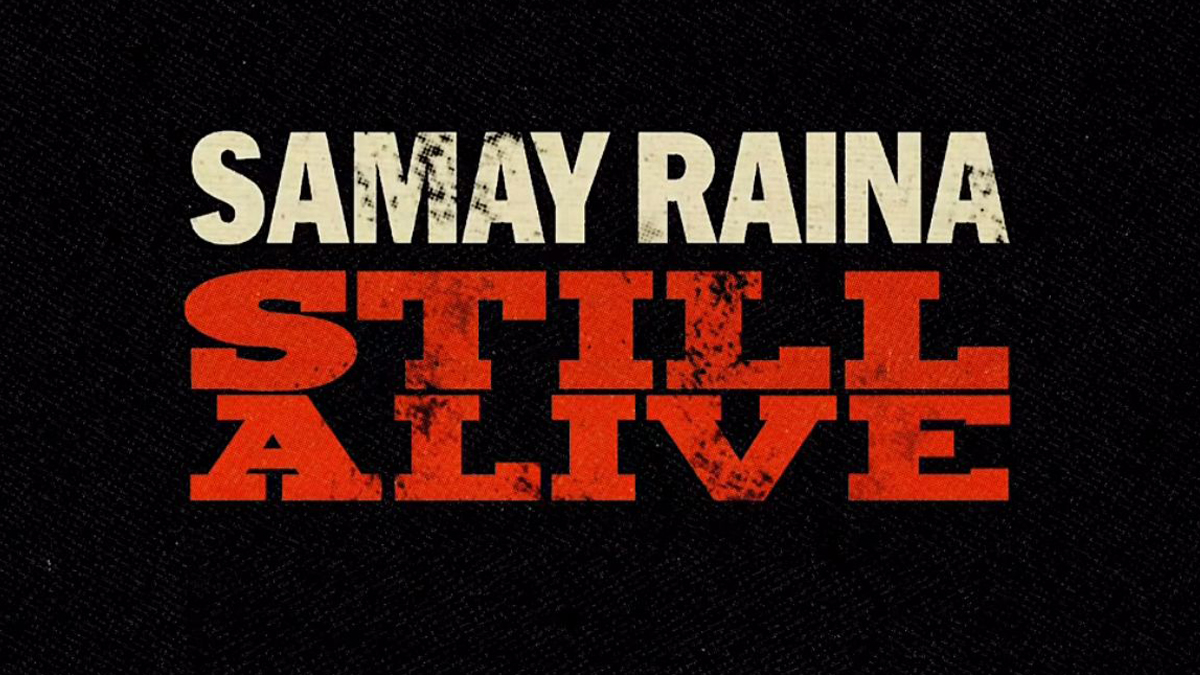
MUMBAI: Samay Raina is set to release his new stand-up comedy special, Still Alive, on YouTube on April 7, 2026, marking a high-profile return following a turbulent year.
The trailer for the special dropped on April 5, offering a glimpse into what Raina describes as a raw and unfiltered set that leans as much on honesty as it does on humour.
Positioned as a comeback of sorts, Still Alive draws heavily from the controversy surrounding his show India’s Got Latent in early 2025. The episode led to legal trouble, multiple FIRs, and a lengthy six-hour interrogation by the Maharashtra Cyber Cell, placing the comedian at the centre of intense public scrutiny.
Rather than sidestep the episode, Raina leans into it. The special reflects on the fallout and his personal journey through it, blending observational comedy with moments of emotional candour. Early audience feedback from live performances suggests the tone is less about rapid-fire punchlines and more about storytelling with bite.
The special was filmed during his global Still Alive & Unfiltered tour, which ran from August 2025 to early 2026. The tour saw Raina perform across major international venues, including the Madison Square Garden Theatre in New York, a milestone that places him among the youngest Indian comedians to take that stage.
The title itself signals resilience. “Still Alive” is a nod to navigating both legal and public backlash while choosing to remain unapologetically authentic, a theme that appears to anchor the set.
With the special set to premiere online, all eyes are now on how audiences respond to a performance that promises equal parts reflection and wit. For Raina, the message is clear. He is not just back, he is ready to be heard on his own terms.






