News Broadcasting
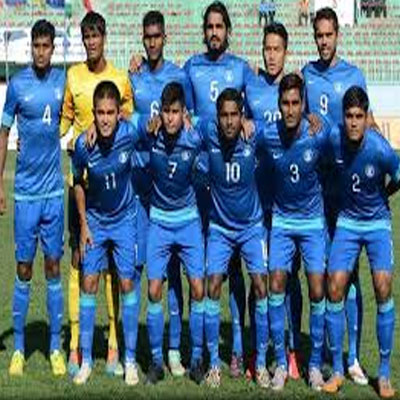
Indian football stars to protest against Doordarshan
KOLKATA: The Indian football fraternity is planning to protest against the state-owned Doordarshan television channel’s alleged apathy towards the game and want live coverage of India’s upcoming pre-World Cup matches.
Dozens of footballers, coaches, sports journalists and soccer lovers are expected to stage a protest outside the Doordarshan office, on Monday 23 February 2004, in support of their demand.
India’s public broadcaster failed to telecast the Asian zone qualifying round for the 2006 World Cup in Germany Wednesday when India beat Singapore by a solitary goal in Goa.
East Bengal football club’s coach Subash Bhowmick and former footballer Surajit Sengupta are the prime movers of the planned demonstration.
“Whether this was due to administrative failure or disinterest in football, neither is desirable in the interest of the game,” said Sengupta.
“So it becomes important that football lovers voice the concern against this attitude,” added Bhowmick.
“We hope all lovers of football will turn up in front of the Doordarshan office to take part in the demonstration,” Sengupta said.
Protestors will sit silently in front of Doordarshan office holding placards that will carry messages urging the electronic media to provide better coverage of football.
“Doordarshan has a dedicated sports channel. So, what’s the problem in telecasting such important matches as India’s pre-World Cup games?” asked Mohun Bagan coach Aloke Mukherjee.
The football fraternity is angry that television channels were eager to telecast live even the under-19 years’ cricket matches but not India’s soccer World Cup campaign.

News Broadcasting
BBC to cut up to 2,000 jobs in biggest overhaul in 15 years
Cost pressures and leadership change drive major workforce reduction plan
LONDON: BBC has unveiled plans to cut up to 2,000 jobs, roughly 10 per cent of its global workforce, in what marks its biggest downsizing in 15 years.
The announcement was made during an all-staff meeting led by interim director-general Rhodri Talfan Davies, as the broadcaster moves to tackle mounting financial pressures and reshape its operations.
Between 1,800 and 2,000 roles are expected to be eliminated from a workforce of around 21,500. The cuts form part of a broader plan to save £500 million over the next two years, aimed at offsetting rising costs, stagnating licence fee income and weaker commercial revenues.
In a communication to staff, BBC interim director-general Rhodri Talfan Davies said, “I know this creates real uncertainty, but we wanted to be open about the challenge,” acknowledging the impact the move would have across the organisation.
The restructuring comes at a time of leadership transition. Former director-general Tim Davie stepped down earlier this month, with Matt Brittin, a former Google executive, set to take over the role on May 18, 2026.
While some cost-cutting measures are being implemented immediately, the majority of the structural changes are expected to roll out over the next few years, with full savings targeted by the 2027–2028 financial year.
The broadcaster had earlier signalled its intent to reduce its cost base by around 10 per cent over a three-year period, warning of “difficult choices” as it adapts to shifting economic realities and audience expectations.
With operating costs hovering around £6 billion annually, the BBC’s latest move underscores the scale of the financial challenge it faces, as it balances public service commitments with the need for long-term sustainability in an increasingly competitive media landscape.