iWorld
Indian content creators must find out right stories to reach global audiences

MUMBAI: Over the top platforms have opened up the doors for content creators to share their creativity across the world. Despite the influx of major companies such as Netflix and Amazon Prime Video in India, content creators are still figuring out how to make their stories go global.
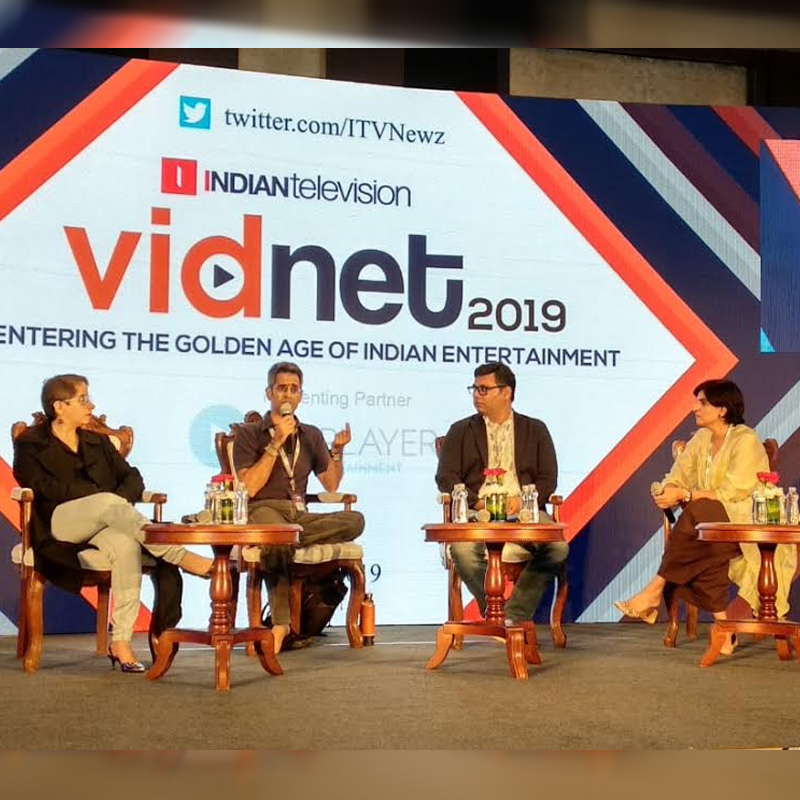
At the stage of Indiantelevision.com’s Vidnet 2019 summit, some of the successful creators spilt the beans on their strategies. The creators of Delhi Crime, Lunch Box and Bard of Blood believe that stories that resonate and connect emotionally with the global audiences do travel.
The panel discussion ‘Making Indian Stories Travel’ in the creators’ track was moderated by BookMyShow VP content and strategy Manisha Singh Katial and the panellists were MUBI India content advisor Guneet Munga, Delhi Crime creator, director and writer Richie Mehta, and Red Chillies Entertainment chief revenue officer Gaurav Verma.

Katial opened the discussion by stating, “Yes, stories that are good do travel. But they also have to be culturally connected and I think that also becomes the challenge. Something that culturally connects with you resonates more, and something that connects with you emotionally, definitely works. I do feel making stories that travel is a challenge because it depends on the content that one is creating.”
Katial asked Mehta to share the feedback he received on Delhi Crime. “The feedback for Delhi Crime is global. I have been hearing that the story has travelled quite far, and seems to have resonated with people all over the world. I knew this when I was conceiving the project.”
He further elaborated, “I was in Delhi when the crime happened. So I reacted to it as somebody in India would. Then I left and went to Toronto and there I realised that this wasn’t just an ‘Indian’ thing, this was a humanitarian issue for the planet’s citizen. When I pieced together my work I figured out that it could have deep meaning for the Indian audience.”
Mehta’s aim was to show a positive representation of India through his story. “It is the worst thing that has ever happened in this country and if you can spin that around to make a story of the extreme positive environment, especially for somebody outside with no knowledge and understanding about India, I certainly want to make it like that,” he said.
Monga, the creator of Lunch Box, also expressed that content creators have tried to represent Indian beyond Bollywood’s depiction. Distribution has been the challenge previously. She said, “Across the world there are different sets of distribution, buyers and strategies. So it was not the same release day of films worldwide. Lunch Box released over two years around the world. And it is important for us to understand there are many layers to this.”
Monga said that films can travel either because of its content or because of the choice of distribution partners. Sometimes a really good film is unable to travel because it does not have the right access. “So having the right access and having that distribution division, which is not just diaspora, is important. I feel with Netflix coming in India the lines are merging and now people will be able to see what India is with all its languages and colours, all its type of filmmaking and storytelling.”
Katial commented that while having partners like Amazon and Netflix is great, it is also necessary to think internationally. To this, Verma added that one should not try to attempt an international story with the pressure that one has to appeal to seven billion consumers because emotional stories will connect to people. The best way to dazzle the audience is through content and script. Verma also opined that the industry is facing the issue of lack of talent. OTT platforms need writers who can understand the audiences’ need.
The panellists also said that apart from appealing stories and subjects, subtitles and dubbing of the content in different languages are also extremely pivotal in reaching global audiences.





iWorld
OpenAI hits back at Elon Musk’s lawsuit ahead of trial
Company calls claims “baseless” and accuses Musk of trying to disrupt a rival.
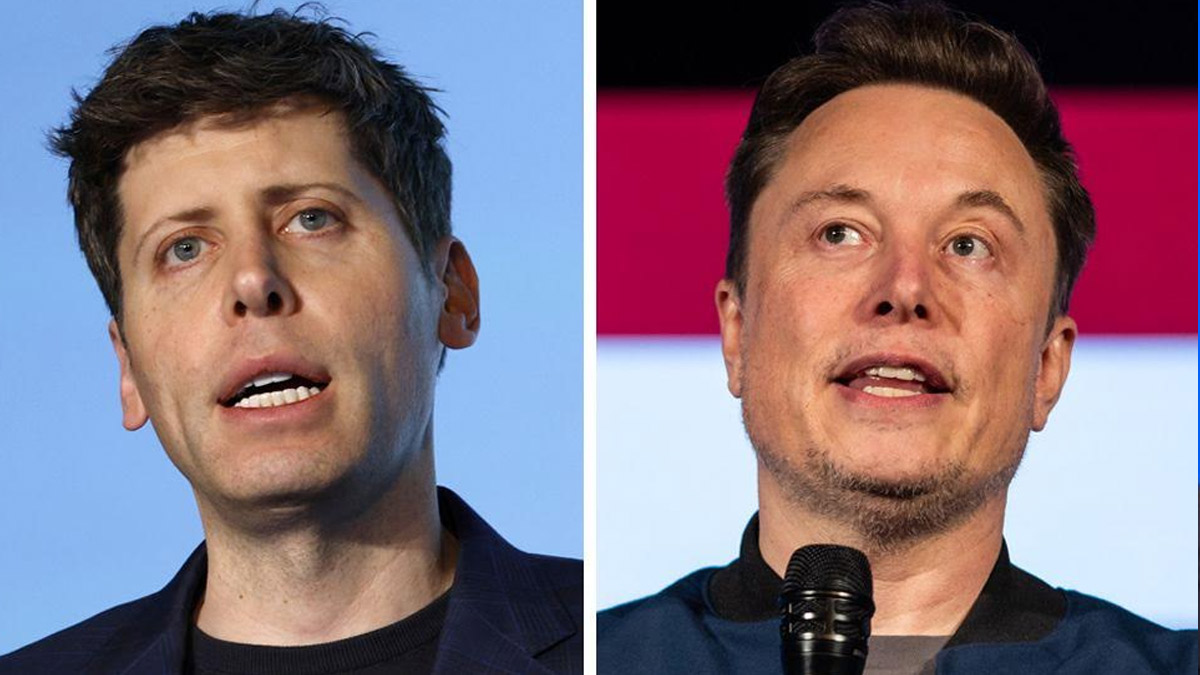
MUMBAI: When the stakes are measured in billions and egos are involved, even Silicon Valley titans can turn a courtroom into a battlefield. OpenAI has issued a sharp public response to Elon Musk’s ongoing lawsuit, accusing the billionaire of filing the case to harass a competitor rather than address genuine concerns. In a strongly worded statement shared on its official X account, OpenAI described Musk’s allegations as “baseless” and suggested the lawsuit is an attempt to disrupt the company as the case heads toward trial later this month in Oakland, California.
The response comes after Musk’s legal team recently amended the complaint, proposing that any damages potentially exceeding $150 billion should go to OpenAI’s nonprofit entity rather than to Musk personally. OpenAI questioned the timing and motive behind this change, calling it a late-stage attempt to “pretend to change his tune” on the nonprofit structure.
The company further labelled the lawsuit a “harassment campaign”, arguing that Musk’s actions are driven by personal rivalry, ego, and a desire for greater control and financial upside.
At the heart of the dispute is Musk’s claim that OpenAI has abandoned its original nonprofit mission of developing artificial intelligence for the benefit of humanity. A co-founder who left in 2018, Musk is seeking governance changes, including the removal of CEO Sam Altman from the nonprofit board, and the return of certain financial gains linked to Altman and President Greg Brockman.
OpenAI has firmly rejected these allegations, maintaining that its current hybrid structure, a public-benefit corporation overseen by a nonprofit parent remains true to its long-term goals. The company has also previously accused Musk of anti-competitive behaviour aimed at weakening its leadership.
As the case prepares for a jury trial, this public exchange highlights the deepening rift between two of the most influential figures in the AI revolution and raises broader questions about governance, mission, and power in the fast-moving world of artificial intelligence.
In the high-stakes game of AI, it seems the real drama isn’t just inside the models, it’s playing out in courtrooms too.






