iWorld
In Q2 earnings call, Netflix’s added focus on India

MUMBAI: Though Netflix did not deliver an outstanding performance for Q2 2018, its focus on India has surely risen. In the follow-up conference call, India was mentioned 20 times, which is higher than the last nine quarters combined.
Netflix CEO Reed Hastings admitted the challenges in the Indian market. “We’re way behind YouTube, Hotstar. Those are really the leaders on the internet. There’s so much TV viewing, that linear TV that could be internet viewing and the advantages are tremendous in India for internet viewing because you don’t get the ad load that you see that’s so high in all of the other platforms. So, Netflix is having great success getting established, getting our reputation going,” he commented.
With Raw Stories, Sacred Games, and Ghoul, the company expects to gain good momentum but needs to focus on adding languages and better pricing. “It’s really I think accelerating the brand perception of Netflix as not just an out-of-towner, but someone who is producing content that you care about in every part of the world,” Sarandos commented on local content strategy in the global market. Its first Indian original Sacred Games is doing well while Ghoul is releasing in August.

“Paid net ads are up compared to year ago and forecast to be up on a year-over-year basis in Q3. The fundamentals have never been stronger. Our viewing is setting year-over-year records. So, we’re feeling very strong about the business,” Hastings said in an earnings call.
Netflix isn’t worried since it has observed a pattern of unprecedented growth in Q1 followed by flat growth in Q2 and Q3.
“We started investing our own unscripted programming and have had some really great, out-of-the-box hits with Nailed It and Fastest Cars and Queer Eye, that are doing great with our watchers relative to building an audience. Also, you saw Queer Eye did quite well at the Emmy nominations announced last week. We’re really excited with the progress and the speed to market we’ve been able to do our unscripted shows at really high quality,” Netflix chief content officer Ted Sarandos said.
While the good romantic comedies have gradually disappeared in the last two decades, the internet content king is reviving the old charm with movies like Kissing Booth, Set It Up. The movies have been delivering good viewership, as claimed by the company. Other than this genre, Netflix will have movies with critically acclaimed directors like Martin Scorsese and Alfonso Corona next year.
While the company has planned to invest $8 billion only in content, it will continue to operate with debt to finance as it remains the most cost-effective source of capital for the company. “Obviously, we’d love to get to that point where we’re organically and self-funding content. We do see a point where we can get there. But until we do, we see debt as the right choice in terms of cost of capital,” Netflix chief financial officer David Wells said. This strategy may pay off well if it can raise the price with the addition of subscribers.
Going forward, Netflix wants to highly emphasise on products too. From better mobile UI, smart downloads to faster TV experience, everything is being talked about. Along with happy subscribers, it wants to make more people aware of the brand. Despite a worse Q2 result, it will definitely continue to be a good choice for investors.






iWorld
Parineeti Chopra hosts new parenting series Mom Talks on Zee5 and Bullet
Celebrity parents share honest stories in 9-episode show launching 4 April 2026.
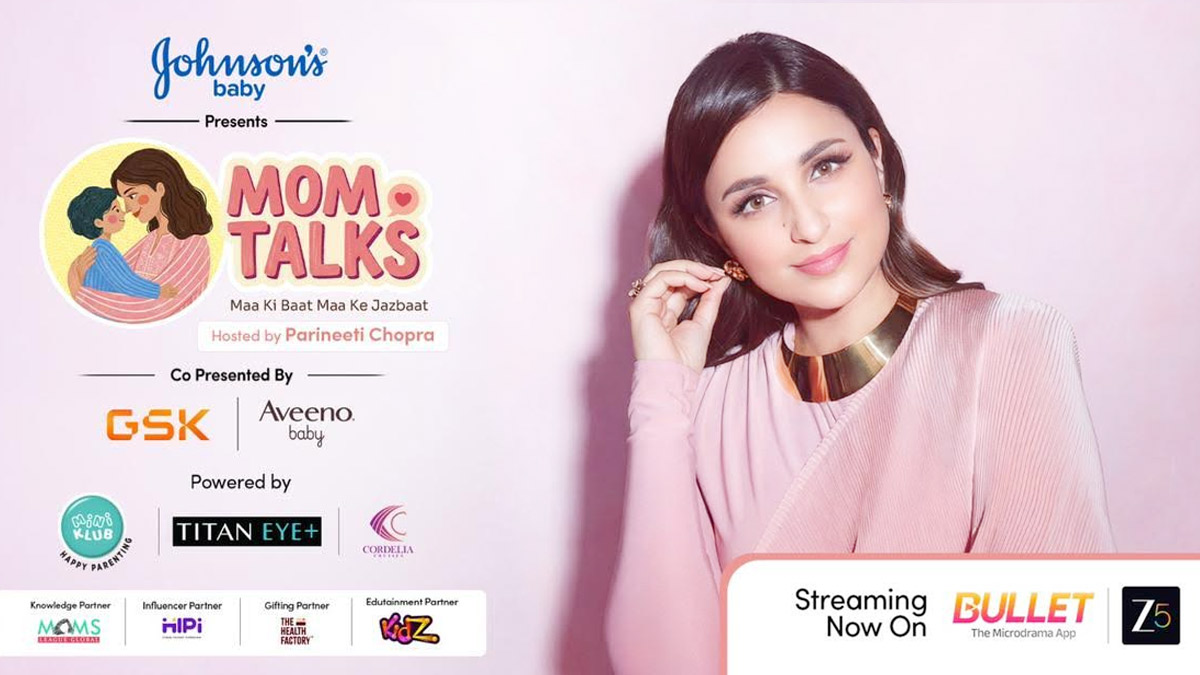
MUMBAI: Parineeti Chopra is stepping into a brand-new role not on the big screen, but as the warm, relatable host helping parents navigate the beautiful chaos of raising children. Bullet microdrama and Zee5 have announced the launch of Mom Talks, a fresh content-led IP hosted by the popular actress. The 9-episode series brings together celebrity parents including Imran Khan, Neha Dhupia, Vikrant Massey & Sheetal, and Gauahar Khan & Zaid Darbar to share candid, real-life perspectives on everyday parenting.
Positioned as a high-engagement format, Mom Talks taps into the growing demand for authentic and credible parenting content. It also offers seamless, contextual integration opportunities for brands. The series is backed by a strong lineup of partners including Johnson’s Baby, GSK, Aveeno Baby, Mini Klub, Titan Eye+ and Cordelia Cruises.
Bullet microdrama app, co-founder & chief business officer Azim Lalani said the show exemplifies how content is evolving towards more rooted, sustained engagement. “It’s about bringing content that people come back to, while creating a natural space for brands to be part of the narrative,” he noted.
Mom Talks creator Bullet head of AVOD & partnerships Munaf Merchant explained the core idea, “We wanted to build a safe, honest, one-stop destination for parents seeking real answers to everyday questions.”
The first episodes will stream for free on ee5 AVOD starting 4 April 2026, with new episodes dropping every Friday and Saturday. The series will also be available on the Bullet microdrama app.
Speaking about their association, Peeyush Unikkat from Johnson’s Baby highlighted the brand’s focus on supporting modern parenting journeys, while Aakash Mehta from GSK emphasised the show’s role in making important health conversations more relatable for new parents.
In a digital space often filled with filtered perfection, Mom Talks promises something refreshingly real honest conversations, celebrity insights, and practical wisdom, all wrapped in Parineeti Chopra’s engaging presence. For Indian parents, this could be the parenting series they’ve been waiting to binge.






