Hindi
IFFI 2025: India pitches itself as the world’s film factory


GOA: India wants to be Hollywood’s back lot—and everywhere else’s too. At an ambassadors’ roundtable in Goa today, officials made their pitch: diverse locations, cheap talent, cutting-edge VFX studios, and a market poised to hit $31.6bn next year. The message to diplomats from Cuba, Nepal, Israel, Australia, Ireland and five other nations was clear: co-produce with us.
The session at the International Film Festival of India (IFFI) explored bilateral treaties, regulatory fixes and ways to tap India’s “multilingual talent pool.” Ministry of information and broadcasting secretary Sanjay Jaju framed India as the “studio of the world, where global stories can be imagined, produced, and shared.” He pointed delegates towards Waves Film Bazaar, IFFI’s deal-making platform, where co-production partnerships take shape.
Minister of state for information and broadcasting L Murugan, who chaired the talks, called co-production “the most powerful avenue” for audiovisual cooperation. He touted India’s growing prowess in animation and VFX, and promised simpler permissions and smoother movement of talent across borders. He also flagged India’s anti-piracy push—backed by inter-ministerial muscle from the ministries of electronics, home affairs and law—as proof the country can protect content.

Shruti Rajkumar, a consultant at the National Film Development Corp, laid out India’s anti-piracy framework, detailing tech tools and policies designed to stop digital leaks before they start.
Diplomats nodded along, expressing interest in India’s tech strengths and creative workforce. The 56th edition of IFFI, running until November 28 against Goa’s coastal backdrop, is positioning itself as more than a festival—it’s a marketplace where India hopes to turn cultural exchange into hard currency.
Whether the world’s filmmakers bite remains to be seen. But India’s bet is straightforward: offer scale, savings and skill, and the cameras will follow.






Hindi
MIFF 2026 to return to Mumbai; film entries open till April 12
19th edition to host WAVES Doc Bazaar, spotlighting global documentary talent
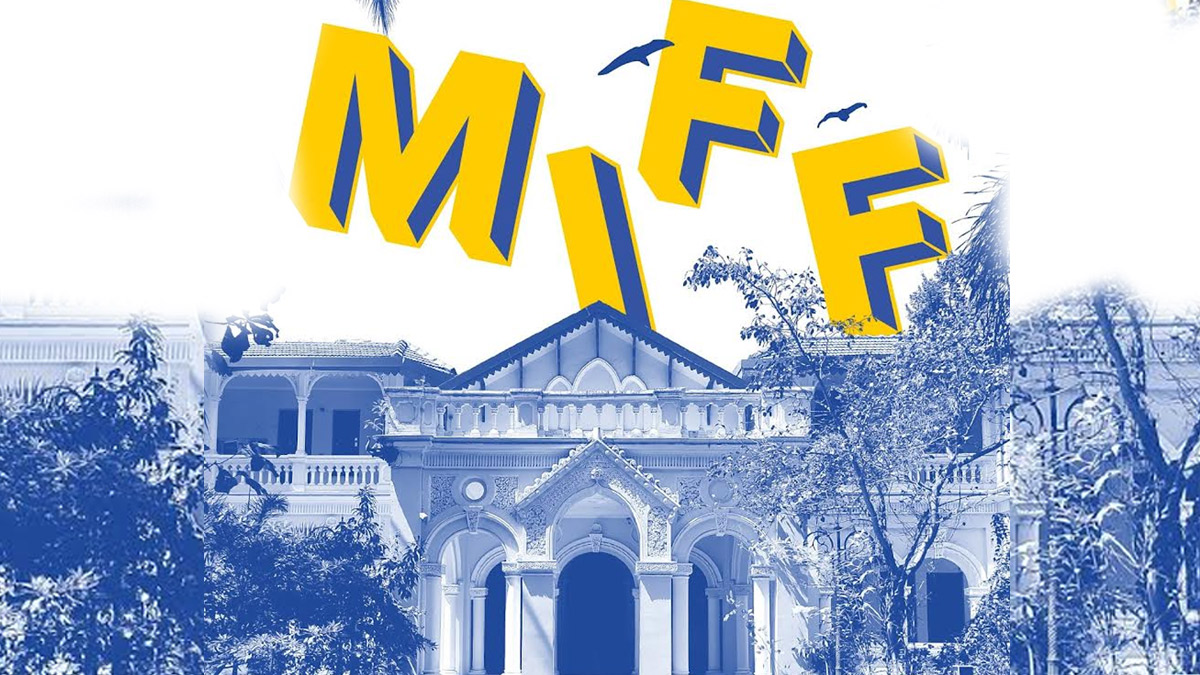
MUMBAI: The 19th edition of the Mumbai International Film Festival 2026 is set to take place from June 15 to 21 at the NFDC Complex, with film submissions currently open and the deadline fast approaching on April 12.
Organised by the National Film Development Corporation under the Ministry of Information and Broadcasting, the biennial festival remains one of South Asia’s most prominent platforms for documentary, short fiction and animation films.
Filmmakers, producers and content creators from across the globe have been invited to submit entries via the Film Freeway platform for the Competition Section. Offline submissions will not be accepted, reinforcing a fully digital entry process.
MIFF 2026 continues to sweeten the deal with a robust awards pool of Rs 55 lakh. The coveted Golden Conch for Best Documentary carries a top prize of Rs 10 lakh, alongside multiple awards across categories, making it one of the most lucrative non-feature film festivals in the region.
A key highlight this year will be the second edition of the WAVES Doc Bazaar, scheduled from June 16 to 18 alongside the festival. Designed as a hub for collaboration, the Doc Bazaar will feature a co-production market, viewing rooms and a work-in-progress lab, bringing together global buyers, sellers and creators under one roof.
Since its inception in 1990, MIFF has built a reputation as a serious showcase for non-feature cinema, drawing participation from filmmakers worldwide. The previous edition saw over 350 films from more than 30 countries, underlining its growing international footprint.
With submissions closing soon and preparations underway, MIFF 2026 is shaping up to be a vibrant meeting point for storytelling, collaboration and cinematic craft, offering filmmakers both a stage and a springboard.







