I&B Ministry
I&B Ministry denies interference in CBFC as Leela Samson quits over movie

NEW DELHI: Following the controversy over the clearance to the film Messenger of God, made by and starring Dera Saccha Sauda head Gurmeet Ram Rahim Singh, Central Board of Film Certification (CBFC) chief Leela Samson has put in her papers.
Asked if she was aware of media reports that the nod has been given by Film Certification Appellate Tribunal (FCAT) to the film’s screening, Samson said, “I hear so. Yet, it is a mockery of CBFC. My resignation is final. I have informed Information and Broadcasting Ministry (I&B) secretary Bimal Julka.”
The Censor Board had referred the issue of clearance to Messenger of God to FCAT. The film was slated to hit the screens on Friday.
Asked why she has decided to quit, she did not specifically refer to the reported clearance to the film but said the reasons cited are alleged “interference, coercion and corruption of panel members and officers of the organisation who are appointed by the ministry.”
Refuting allegations of interference, coercion and corruption levelled by Censor Board chairperson Samson, the government today said that it has always maintained a distance from the entire process of film certification.
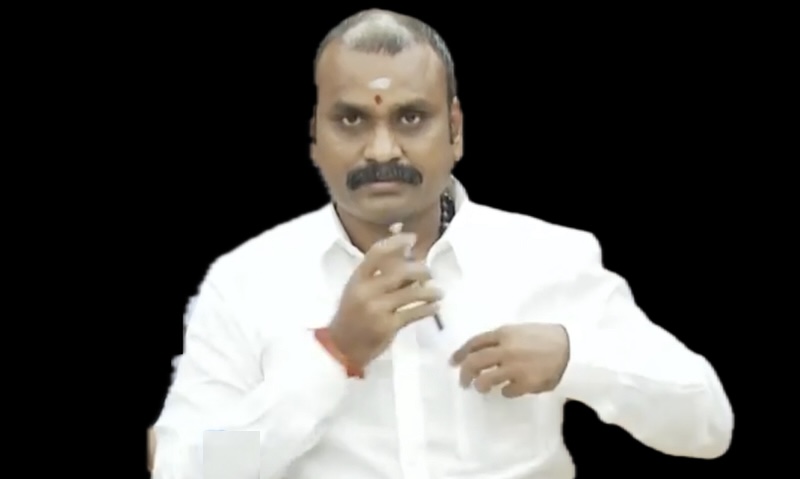
With Samson deciding to resign amid a row over controversial film Messenger of God, Minister of State (MoS) for Information and Broadcasting Rajyavardhan Rathore said, “We have respected the Censor Board all along. In fact when the issue of the previous film came up, we respected the decision of the Censor Board. We kept a hands away distance from its decisions.”
He also said that if evidence was provided that any particular member had been coerced, the government would take appropriate action.
Dismissing Samson’s allegations, Rathore said due process was being followed in all cases including the case of Messenger of God.
“Now when this particular film has come into discussion, the Censor Board would realise that the final call lies with the FCAT, the film appellate tribunal,” Rathore said.
Asked whether the Ministry had received Samson’s resignation, “No, we are not aware. We heard this on TV, and we are briefing you so that the public is not misled.”
He said very eminent persons constitute the appellate tribunal and emphasised that the government does not interfere in the entire process of film certification.
“There is a retired justice heading the tribunal. There is a Supreme Court advocate in the appellate tribunal. There is a senior journalist in the tribunal, they take decision, whatsoever, which will be made public very soon,” he said.
The Minister also emphasised that the present Board and its members were placed by the previous government and current regime had not put in any additional member.
Meanwhile, Samson told the media, “Having to manage an organisation whose Board has not met for over nine months as the ministry had no funds to permit the meeting of members.” She said the term of all the members and the Chairperson of the Censor Board “are over but since the new government failed to appoint a new Board and Chairperson, a few were given extension and asked to carry on till the procedure was completed.”
“However, recent cases of interference in the working of the CBFC by the ministry, through an ‘additional charge’ CEO, and corrupt panel members has caused a degradation of those values that the members of this Board of CBFC and Chairperson stood for,” Samson alleged.
Meanwhile, a spokesman for Sirsa (Haryana)-based Dera Sachcha Sauda said, “As per our information, FCAT has cleared the movie for release. But a written order is awaited.”
Her resignation led to comments from the film industry, where veteran Mahesh Bhatt observed, “I don’t know whether the corruption charges are true… but I’d like to make an appeal to I&B minister Arun Jaitley – when he follows a system of liberal values and freedom of speech, his ministry should also be reflective of that.”
Award-winning filmmaker Onir said, “I hope her resignation brings about a positive change. She has a lot of respect in the industry and her resignation explains the hypocritical approach that the Censor Board has. It does come as a shock, but I hope filmmakers are not harassed anymore.”
Mary Kom director Umang Kumar said, “If Samson took a stand, there must be a reason. After all, she was put in that position because she was considered capable of using her discretion wisely.”