Hindi
“I am completely monogamous, and abhor the concept of open relationship”: Vidya Balan in IMDb’s ‘Ask Each Other Anything’

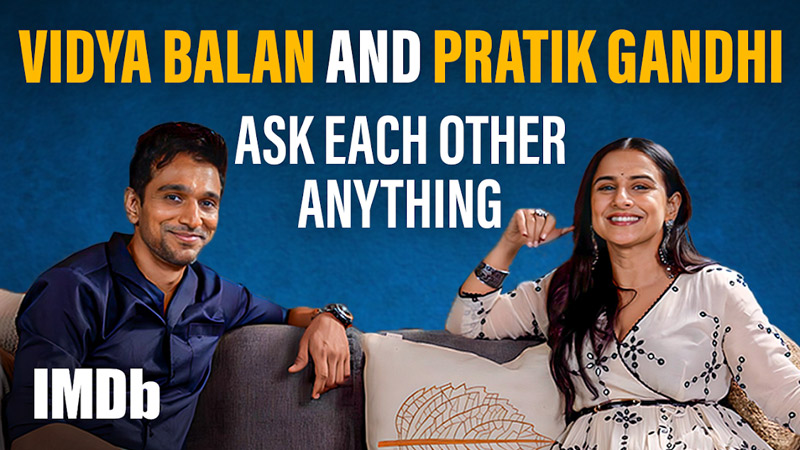
Mumbai: On the release of Do Aur Do Pyaar, starring Vidya Balan and Pratik Gandhi, the actors appeared in the IMDb original series ‘Ask Each Other Anything.’ This romantic comedy explores the intricacies of the relationship between a husband and a wife. They engaged in discussions about intriguing aspects of their personal lives, shared their experiences on set, and reflected on what they learned from each other throughout the journey of Do Aur Do Pyaar.
When asked about her reaction upon discovering she would be working with Pratik, Vidya responded, “I had watched ‘Scam 1992: The Harshad Mehta Story’ already, so when Tanuj, Atul, and Swati (the producers of the movie) came home, we were discussing various characters, and for the role of Ani, they said ‘we’ve thought about Pratik Gandhi, the guy from Scam 1992.’ I was like, ‘Wow!’ He was fabulous.’ It didn’t feel like you were acting in the series even for a minute. If I didn’t know how Harshad Mehta looked, I would have thought it was you. So, I was very excited.”
As the film revolves around relationships, Pratik asked Vidya about her perspective on open relationships. Vidya said, “I don’t understand the idea of an open relationship. I think you can be open with each other about everything, but when you talk about open relationships and open marriage, you are talking about being okay with your partner being with someone else, sharing your partner with someone else. I am not okay with that. I am completely monogamous, and I believe in monogamy. I abhor this concept of open relationship. If it works for you, great, but I cannot fathom how it works for someone.”

While the conversation was brewing, Vidya asked Pratik to suggest three films everyone must watch. Pratik said, “I feel I get connected to the strongest emotions the most, and I find myself a very common audience. So, I feel The Pursuit of Happyness and Sadma are films that have layers of emotions and are conveyed simply in the most human possible way. One more is Hera Pheri because of their comic timing, which landed every time I watched, and I have watched it multiple times.”
Additionally, given Pratik’s theatre background, Vidya asked him about the one thing he would like to take from theatre and apply to cinema. Pratik responded, “I think what I have seen and what I have done is the discipline and duty toward the story. You have to actually leave yourself and cut your ego and become selfless to tell the story in the most honest possible way. This is what helped me, because as an actor, we constantly deal with egos onset and offset, everywhere, and also sometimes while performing. So, certain humility towards the process and being true to the storytelling is important. Also, theatre makes you human because one show will work wonders and the other show might not, so you don’t lose your heart quickly. So what I have learned from theatre is that all the claps are for the characters and all the criticism is for me as an actor. So if this is what we experience in cinema, then a lot of things will change”, he added.





Hindi
MIFF 2026 to return to Mumbai; film entries open till April 12
19th edition to host WAVES Doc Bazaar, spotlighting global documentary talent
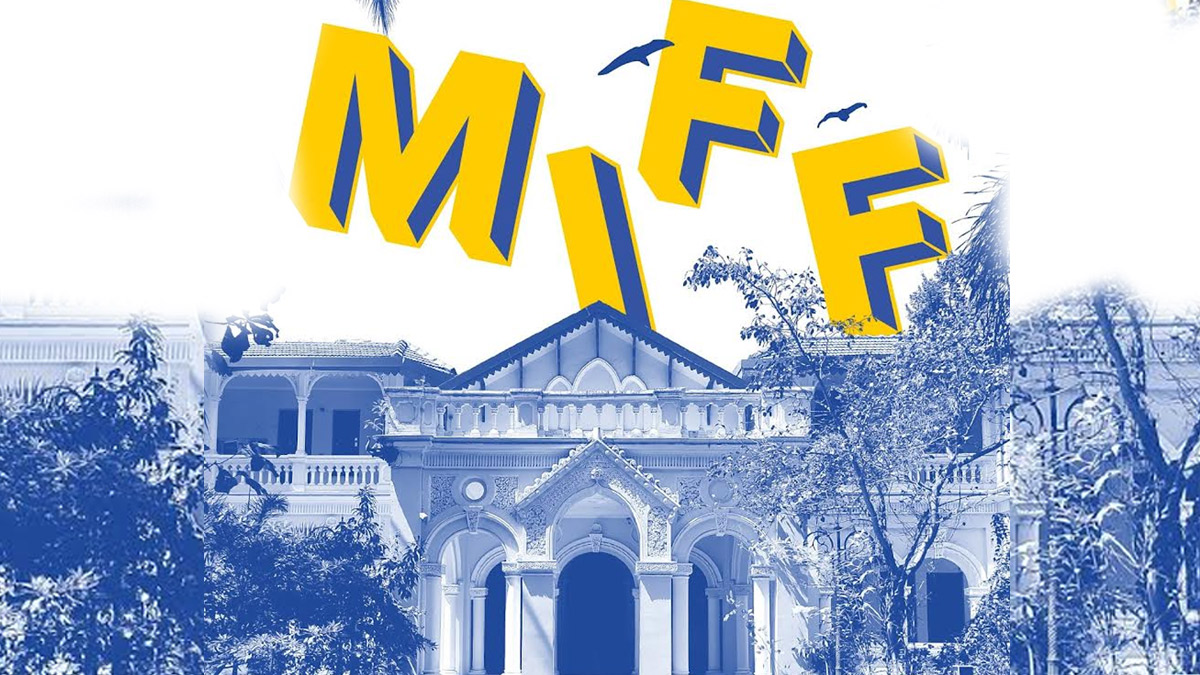
MUMBAI: The 19th edition of the Mumbai International Film Festival 2026 is set to take place from June 15 to 21 at the NFDC Complex, with film submissions currently open and the deadline fast approaching on April 12.
Organised by the National Film Development Corporation under the Ministry of Information and Broadcasting, the biennial festival remains one of South Asia’s most prominent platforms for documentary, short fiction and animation films.
Filmmakers, producers and content creators from across the globe have been invited to submit entries via the Film Freeway platform for the Competition Section. Offline submissions will not be accepted, reinforcing a fully digital entry process.
MIFF 2026 continues to sweeten the deal with a robust awards pool of Rs 55 lakh. The coveted Golden Conch for Best Documentary carries a top prize of Rs 10 lakh, alongside multiple awards across categories, making it one of the most lucrative non-feature film festivals in the region.
A key highlight this year will be the second edition of the WAVES Doc Bazaar, scheduled from June 16 to 18 alongside the festival. Designed as a hub for collaboration, the Doc Bazaar will feature a co-production market, viewing rooms and a work-in-progress lab, bringing together global buyers, sellers and creators under one roof.
Since its inception in 1990, MIFF has built a reputation as a serious showcase for non-feature cinema, drawing participation from filmmakers worldwide. The previous edition saw over 350 films from more than 30 countries, underlining its growing international footprint.
With submissions closing soon and preparations underway, MIFF 2026 is shaping up to be a vibrant meeting point for storytelling, collaboration and cinematic craft, offering filmmakers both a stage and a springboard.







