News Broadcasting
Humour works for SAB TV, launching six new shows

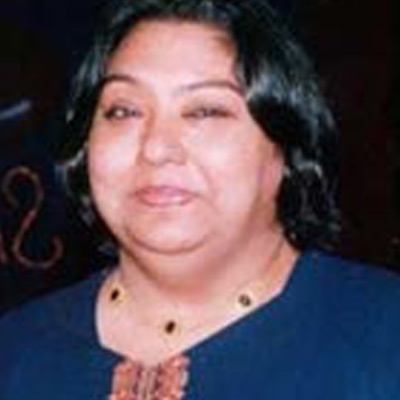
MUMBAI: The ‘Only Smiles, No tears’ entertainment channel SAB TV is raring to go places. The channel, which has carved a niche for itself with its humour proposition, is launching six more shows this month.
Speaking to indiantelevision.com, SAB TV president sales and marketing Kanta Advani said, “There has been a definite increase in viewership since we took on the humor positioning. We consider the age group of 15+ females and 25+ males to be the most important to our channel due to their buying propensity. And frankly, this is the target group that most advertisers chase.”
Elaborating on the kind of ground promotion strategy undertaken to reposition the channel, Advani said, “We took on the ‘Only Smiles, No Tears’ positioning in May this year and did some good publicity in print and outdoor. For this round of new programming initiatives we have again got some great campaigns going in print mainline dailies nationally, outdoor as well as radio i.e. Radio Mirchi in Mumbai and Delhi and Win.”

Owing to the channel’s genre and popularity a whole lot of new advertisers have joined the SAB TV gang in the last six months. They are Sansui, Lexi Pens, Coke, Samsung, ITC, Blowplast, Harry’s collection, Airtel, Hutch, Candico, Relaxo, Gooldlass Nerolac Paints, Shaw Wallace, Vardhaman Spinning, Ayur Herbal, Bajaj Consumer care, Max New York Life to name just a few.
The channel hopes to build on that momentum with the launch of six news shows. The first is a daily chat show that started today (3 November) called Carryy on Shekhar hosted by India’s talk show king Shekhar Suman, which airs daily at 10 pm Monday to Thursday. Claimed to be one of the funniest and savviest shows on television Carryy… is a fusion of Suman’s satirical comments on current events, t?te-?-t?tes with hot celebrities and political debates.
Back by popular demand is the Anupam Kher hosted kids’ show Say Na Something to Anupam Uncle which will air Mondays and Tuesdays at 8 pm. The third show Sab Kuch Ho Sakta Hai is a non stop laugh riot hosted Sajid Khan and Suresh Menon.
The fourth show in the channel’s kitty is a sitcom called Shri Sifarashilal. Starring Deven Bhojani and Bhawana Balsaver (the famous ‘Chachi’ of Dekh Bhai Dekh) among others, the serial portrays a common yet very unique character and his escapades.
Kisi Se Na Kehna is yet another laugh riot which essays an interesting character. Last but not the least is a show called Banda Yeh Bindaas Hai. The show promises to be candid camera at its best. “Each episode will be completely “gag-packed” and its canvas – the entire city of Mumbai,” quips Advani.
Talking about the USP of the channel Advani says, “All the above mentioned shows and some of the ongoing popular ones like Office Office, Yes Boss and Sahib Biwi Ke Ghulam gives the viewer different facets of humor.”
Advani feels that if there can be a news channel, a movie channel, a music channel, why can’t there be a predominantly humour channel which promises laughter and relief all the while to its viewers? Point taken.




News Broadcasting
CNN-News18 to host Fury in the Gulf conclave on West Asia crisis
Three-hour summit to unpack geopolitical fallout and impact on India
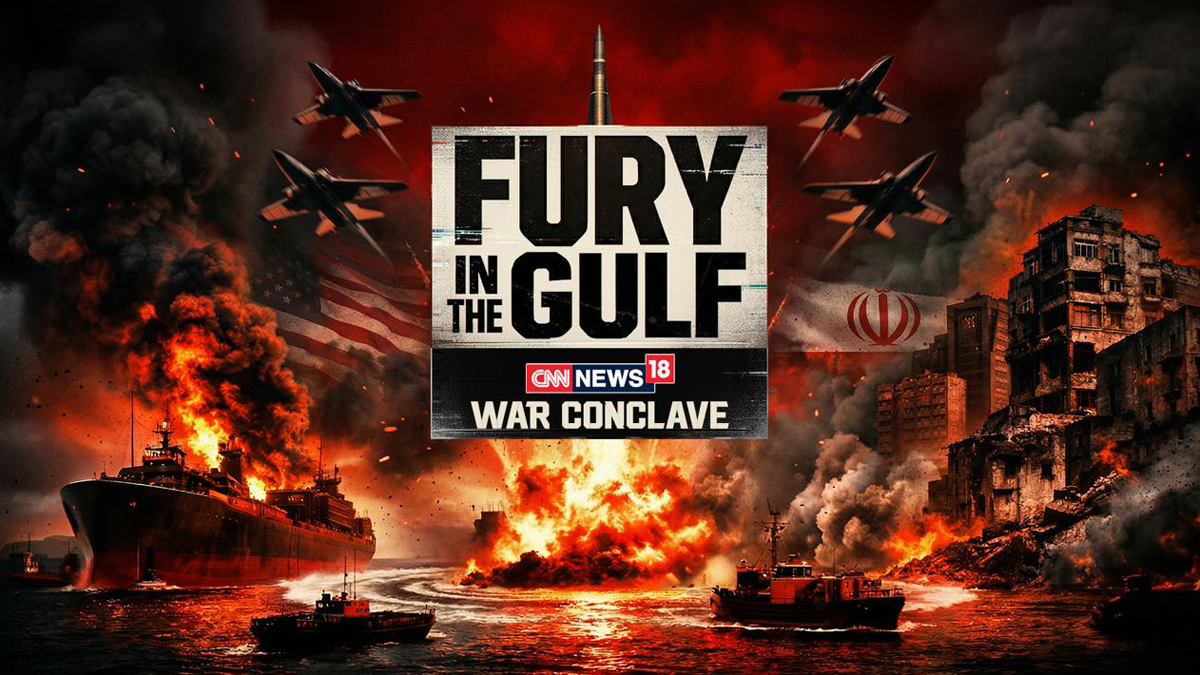
MUMBAI: CNN-News18 is set to host a special three-hour broadcast, Fury in the Gulf – War Conclave, on April 7, aiming to decode the escalating West Asia crisis and its far-reaching implications for India.
Scheduled from 4:00 PM to 7:00 PM, the conclave comes at a time when tensions between Iran and the United States are reshaping global geopolitics and triggering economic uncertainty. With India’s deep energy ties, trade links and large diaspora in the Gulf, the developments carry significant domestic relevance.
Built around the theme ‘Conflict, Consequences, and The Future,’ the programme will feature six curated sessions combining one-on-one interviews and panel discussions. The focus is to cut through the clutter and offer viewers a clearer understanding of the fast-evolving situation.
Key sessions include ‘Diplomacy in Times of War’ featuring Shashi Tharoor, and ‘World After the Iran Conflict’ with voices such as Ram Madhav, Reuven Azar, representatives from the European Union and the Iranian Deputy Envoy. Another session titled ‘Another Dunkirk?’ will bring together K. J. S. Dhillon and Jitin Prasada among others.
CNN-News18 editorial affairs director Rahul Shivshankar said, “In times of war, clarity becomes the most powerful tool. Fury in the Gulf – War Conclave brings together credible voices to address the questions and confusion that arise amid an overwhelming influx of information.”
He added that the initiative is aimed at delivering “facts, perspective, and insight” at a time when misinformation can easily cloud public understanding.
Echoing the sentiment, CNN-News18 CEO– English and business news Smriti Mehra said the conflict marks a defining global moment, with consequences that extend well beyond the region. She noted that the conclave seeks to present the crisis with “depth, nuance and responsibility” so audiences can better grasp its real-world impact.
As geopolitical tensions continue to dominate headlines, the conclave positions itself as an attempt to bring order to the noise, offering viewers a structured, insight-led look at a complex and rapidly shifting global situation.






