Education
How to write a resume for college scholarships

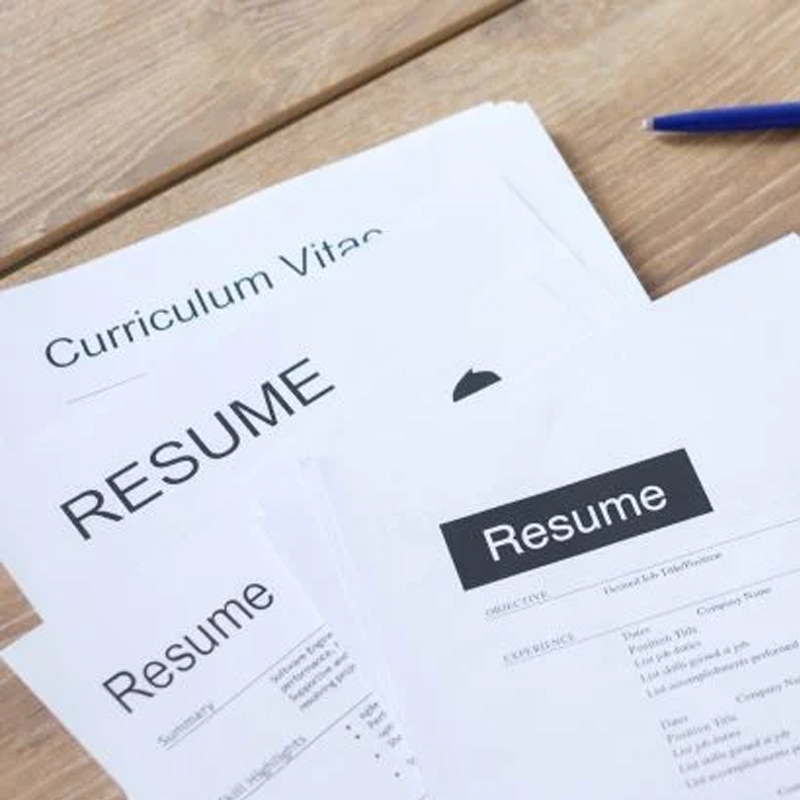
Among thousands of applications, your scholarship resume is undoubtedly one of the factors that can make you stand out from the crowd.
Beating the competition and clearing the trickiest entrance exam is just the first step in getting admission into your dream educational institution.
Financing your education and securing funds comes as another hindrance in reserving a seat in a university.
With numerous choices to gather finances for tuition fees (including student loans, parental savings, and financial aid from government institutions), applying for a scholarshipshould definitely be on top of your list.
In this article, we will be guiding you step-by-step on how to create a stunning resume and how to make sure you have selected the right format among thousands of resume templates available to win a college scholarship.
Here’s what you can gather from this guide:
● What is a college scholarship resume?
● The importance of scholarship resume
● How to write a scholarship resume
● How to send your scholarship resume
What is a college scholarship resume?
A college scholarship resume is a document stating your career interests and goals while focusing on your major achievements and highlighting the educational qualifications, professional work experience, technical skills, volunteering experience, awards, and honors.
Your resume is a tool to showcase your skills and qualifications for the college committee to decide if you are a perfect fit for the scholarship.
It only takes 10-15 seconds forthe selection committee to judge your resume, which makes
choosing a good scholarship resume template pivotal to set the first impression right.
Make sure the template you choose for your college scholarship resume must have proper formatting and layout, allowing you to put all the important details in an organized way that looks professional.
Types of Resumes
● Functional: A functional resume focuses on skills and experiences than on chronological work experience. This format is appropriate for you if you have gaps in your work history or are changing careers.
By focusing on your skills than the work history, you can emphasize that you are qualified for the scholarship.
● Chronological: A chronological resume format lists your education and work experience with the most recent position listed first.
This is the most recognized format. If you have a strong and solid work history, you can go for this resume format without any second thoughts.
● Combination: This is a mix between a chronological resume and a functional resume. At the top of the resume, the focus is on your skills and accomplishments. Below you list down your work experience in chronological order.
If you want to shed more light on your skills rather than emphasizing the work experience while providing all the crucial information to the concerned authority, then this is the go-to resume format for you to master the application.
● Targeted: A Targeted resume is a customized resume highlighting the skills and work experience relevant to the scholarship you are applying for.
Writing a targeted resume is time-consuming, but it worth the efforts to acquire the best results.
## How to write a scholarship resume
Choose a scholarship resume format that allows you to include your contact information, objective statement, work experience, academic experience, awards &honors, and volunteering.
To highlight your expertise and industry-related skills, it’s essential to quantify the information or substantiate the statements mentioned by explicitly stating your achievements in the work experience section.
A tailored resume objective differentiates you from the generic crowd and increases your chance to acquire the final seat.
A short paragraph showcasing your academic record along with targeted extracurricular activities and the purpose for continuing your career are major inclusions in a formal opening statement.
To explicitly emphasize your upward career progression and continuity in work years, a reverse chronological order for all the sections is an ideal choice.
Being the core of a resume, the education section demonstrates developed skills in accordance with the current industry standards. Mentioning the institution’s name along with the date of course completion, key fields of study, and GPA forms a descriptive qualification section within your resume.
Adding measurable achievements or projects completed during the program adds another level of clarity to your professional document.
Besides adding a prestigious degree name into your resume, inflating the qualification sections with relevant work experience or an internship establishes a strong ground for your application to get noticed by the committee member.
## How to send your scholarship resume
With heated competition to get the full-scholarship ride, making grammatical errors in your resume is one sure way to send your application into the rejected folder.
Ensure the length of the resume. It must be long enough to include all the relevant information but short enough for the scholarship committees to have a quick glance and collect all the crucial details from your resume.
The ideal length of a scholarship resume revolves around 1-2 pages, depending on your work experiences, and projects completed.
To maintain the resume formatting concerning spaces (in various devices like computer, smartphone, and tablet), a pdf file format is an optimal choice compared to the word format.
Before sending the final draft of your resume, make sure all the guidelines mentioned on the college website were followed to prevent rejection by the selection committee.
##Conclusion
Writing an excellent scholarship resume is crucial if you want to make a good impression on a scholarship selection committee. Tailoring your resume to fit the targeted scholarship is foremost. If the selection committee does not find your resume appealing, they might decide to skip your application you had spent so much time working on.
Here’s a quick roundup so that you don’t miss out on any crucial details:
● Choose a suitable format for a scholarship resume to showcase skills and achievements.
● Include all the critical sections – education, work experience, volunteer experience, awards, honors, and skills.
● Always use reverse chronological order. That means the recent ones should be at the top.
● Try to quantify your resume wherever possible and focus on your achievements more than the responsibilities.
● Ensure the length of the resume is one-page or a maximum of two-pages after including all the vital information.
● Before you send the final draft, proofread your resume to include all the vital information, and there are no grammatical or spelling errors.
● Save your resume in pdf format and ensure the formatting is correct before you hit, send




