iWorld
How to make your content viral?

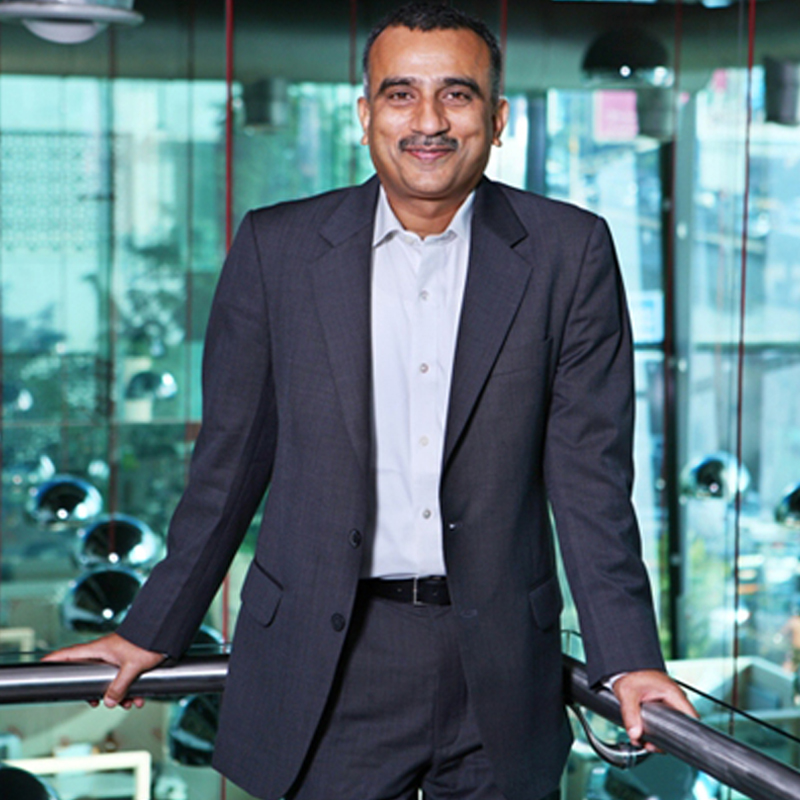
MUMBAI: How often do we hear the term ‘viral’? From the germination of an idea to its execution, the only target people want to achieve is making it go viral. Be it a concept or a new initiative, grabbing the maximum number of eyeballs or reaching out to the masses remains the crucial part.
This subject was fielded by panelists consisting of Viacom18 Media group CEO Sudhanshu Vats, Twitter CEO Rahul Jaitly, The Viral Fever creative producer Shreyansh Pandey, Yash Raj Films VP Ashish Patil and AIB G. Khamba at Eemax Global Conclave 2016.
They spoke on the topic everyone is currently excited and interest in — digital. ‘Making the viral go around’, the speakers brainstormed whether they have found or cracked any formula of making their content visible. What echoed in unison was a big ‘no’ by the panelists.
Adding some perspective to it, Patil said, “That is the stupidest brief I can ever get for making content that should go viral.” Agreeing to that was Khamba who resonated with Patil’s thoughts. “No, we cannot do it. We try to do the best that we can with our content. Fun is the formula for us.”
Taking the discussion a notch higher, the moderator was curious to know what the starting point is for each one of the players post the brief. “The starting point is the consumer. We don’t go about making it viral, we just hope that it happens. One should not let their ideas remain in a box. Anything can be successful and (go) viral in no time like music for eg, Coke Studio. What goes viral is not matter of functions or data,” said Patil.
Pandey added, “Two things that are primarily important which lead to something going viral is content and experience of the user. Obviously, it varies with platforms. How users latch on to the content and what they do with it decides the virality.”
Jaitly opined the starting point for the social media platform is knowing their audiences and their taste. “Truth and personality is what we ride high on. At Twitter, we have a software measuring not the tweets but spikes.”
“Adding to that, authenticity is also equally important,” added Vats.
So, what is the process of developing content and the velocity to make it viral? “What excites the consumers is the first step. Delivering it with truth, authenticity and entertainment like some nice music, champions, etc. is the second step. Third comes the right people you want this content to reach out to,” opined Patil.
Jaitly also seconded his opinion, and said “In India, Bollywood, sports and politics content does very well for us and our strategy is to build across these ‘edges’.”
At TVF’s office, one of the walls read “Ideas are a piece of shit.” Pandey said, “TVF’s core is story-telling. The process starts with writing posts. You should know the reaction expected by your target audience based on your observation.”
With branded content getting popular every passing day, advertisers are partly convinced about investing in this new digital era. Developing in the right direction on the brief is one way to win the trust of the brands. Khamba shared, ” How do you work with brands is also important. Brands develop trust on the brief. Finding the trigger of the theme and delivering to the brands by value is equally crucial.”
Patil, Pandey and Khamba also agreed on the point that the brand parameters had changed. They have started to build on the bigger theme than simply pumping money on a concept for eg, a Truly Madly Creep Qawali.
With the sense of maturity coming amongst the advertisers, the panelists also expressed their thoughts on the need of having a measurability on content. “Majority of the return on investment comes from brands on board. The rest from talent usage, syndication, merchandising, etc. The commitment of how many views can a certain content get cannot happen. We have to go in with our eyes open,” said Patil.
With its reach across the globe, Jaitly opined how he has heard the pressure on revenues more in India than any other country which is something Twitter has done by providing a base for story-tellers without brands to come on board. On the other hand, Vats drew some light on their existing digital platform Voot which follows an advertising model. The VOD platform, within four months of its launch, has done well for Viacom18 Network by having 15 million active users with over 50+ brands, Vats shared, “The ‘average time spend’ on our platform is 45 minutes per user. For us, it’s about how many are watching, what content are they consuming and for how much time are they staying.”
He further added, “There will be models going forward that will help reach the consumers. The data is crucial right now but it will come down eventually. Also, the payment gateways will evolve to make subscription easier for the viewers. Measurement cannot be ignored if you want to grow. Money follows measurement.”
The session ended with the panelists discussing the way ahead for each of their platforms. While Patil opined that there is a new breed of celebrities on YouTube coming up, the opportunity of spin-off content is possible. “We want to create IPs and take it beyond TV or digital. Merchandising is also where we see a lot of good opportunities, he said. Pandey resonated with Patil’s thought about extending IPs and added, “Brands are difficult to get and people don’t want to pay. Extending IPs is what we would look at as the dollars lie there.”
Khamba was of the opinion that on-ground engagement has always been fun for them and they will continue with that and sustain it going forward. “We will do high numbers and branch out,” added Khamba.
Whereas, for Twitter, Jaitly shared that, going forward, the social media platform will enable users to share and watch live shows from across the country. He said, “The Twitter of future will open shows and videos live stream from across the country.”
The panelists concluded by sharing that digital in India is only bound to grow and prove profitable to people who play it smart. As its always believed by most of the players in this business, the consumer remains to be the king.