iWorld
How Netflix is scripting India story?

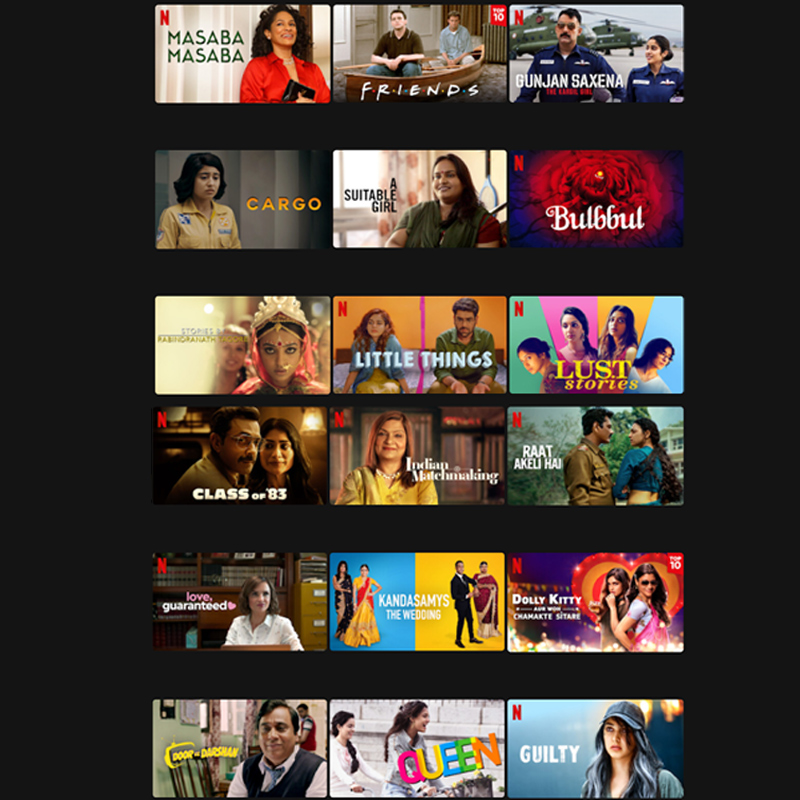
KOLKATA: This is an age of binge-watchers and Netflix is yet the undisputed king of the new era. Taking off with House of Cards to luring the audience to their screens with La Casa De Papel (Money Heist), the streaming giant has re-written the script of media and entertainment industry across the world. Once a US unicorn, it is now changing the reality of the industry across the world now. India indeed remains at the heart of its international expansion.
As Netflix co-CEO and chief content officer Ted Sarandos says, “It's hard to say, how it (Indian market) could be more important. We have said from the beginning that India is a critical market in the world for us.” In a candid conversation with Film Companion editor Anupama Chopra at ET Global Business Summit Unwired 3.0, Sarandos shares insights on how Indian content is travelling outside the world, Indians are adopting global content and how the streaming giant itself is building up its understanding of the market gradually.
Sarandos highlights that the Indian market is important not only for Netflix but for the global M&E industry. While it has been always adored for great storytelling and great cinema, the appetite for great TV content is also increasing. He says that they are very heavily invested in bringing out original stories from India. “But more importantly, we are not just growing it for India. We will grow these stories to be for the global platform so that people around the world are enjoying these stories,” he adds.

According to him, the Indian stories are travelling everywhere. Netflix’s first marquee content in India, Sacred Games played in every major market throughout Europe and Latin America. Mighty Little Bheem is now the most-watched non-English animated series in the US. On the other side, the reciprocal is true too as Indian subscribers are watching content from Spain, Korea, Japan at large scale. While the Indian stories are travelling globally, Sarandos mentions that the platform is mindful of local sensitivities.
“It’s a very dynamic place. One of the things that I miss most since these travel restrictions of Covid2019 have been implemented is my opportunities to come to India. It's one of the most fascinating fast-moving dynamic places in the world. The energy on the ground is just you can feel it in your bones when you walk down the street,” Sarandos expresses his love for the market.
The man who decides what the world will watch is fascinated with the consumption pattern of the Indian audiences. He is surprised by the way the Indian audience has embraced Roma and the overall diversity, breadth of programming. In the last year, more than 80 per cent of Indian subscribers have seen a film every week on Netflix.
However, the streaming giant’s original movie slate in India is not qualitatively consistent compared to the global market. Sarandos thinks the inconsistency is due to the trial and error method as it has not been very long since when the platform has started building its Indian content library. He reassures that there will be constant improvement. “We're becoming much more ingrained in the creative culture of India,” he states.
Streaming has been one of the very few businesses across the world which has not been crushed by Covid2019. More and more people have resorted to good stories. While the streaming services have been able to entertain the audience with fresh stories yet, the long pause in the shooting has been one of the main concerns of those platforms. Netflix is not an exception.
Sarandos acknowledges that getting back to production safely tops the priority list to resist any interruption in the story. While it has been particularly challenging in India, it is also seeing very encouraging signs with more than 10 originals scheduled to be back for production in November.





iWorld
Hari Om OTT premieres Bhagwan Jhulelal Sai series
First devotional show on Jhulelal Sai streams in Sindhi and Hindi.
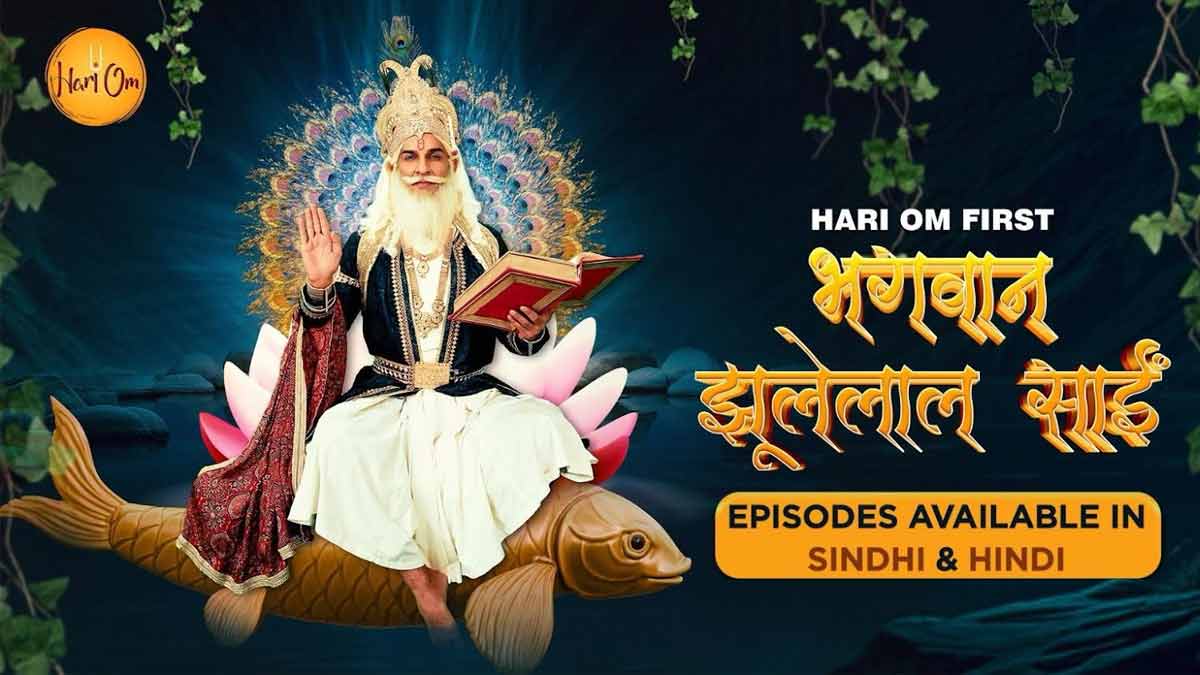
MUMBAI: Hari Om OTT just turned the tide for devotional dramas because when Jhulelal Sai steps onto the small screen, even the waves start streaming in two languages. Hari Om OTT, India’s leading devotional streaming platform launched in June 2024, has premiered Bhagwan Jhulelal Sai, a milestone series that marks the first-ever show dedicated to the revered deity of the Sindhi community. The show, starring Manish Raisinghani as Jhulelal Sai / Varun Dev and Parag Tyagi as Mirkh Shah, launched on Jhulelal Jayanti and is available in both Sindhi and Hindi.
The series chronicles the life, journey and teachings of Bhagwan Jhulelal Sai, blending mythology with historical elements to deliver an authentic and inspiring narrative for global audiences.
Manish Raisinghani said, “Portraying Jhulelal Sai and Varun Dev was not just a role, it was a spiritual journey and a moment of immense pride for my family and community. This one holds a special place in my heart, especially since the show is coming in our very own Sindhi language as well.”
Parag Tyagi added, “Jhulelal Sai is the first-ever show that beautifully blends mythology with history. Hari Om has achieved something truly special by bringing the stories of our gods and goddesses to audiences in their authentic language.”
Hari Om OTT CEO Avinash Dugar said, “With Bhagwan Jhulelal Sai, we’re excited to share this inspiring story with the Sindhi community and beyond. We will continue to showcase the stories of Indian culture and Sanatan Dharma to the world, presented in their own language.”
The premiere builds on Hari Om OTT’s track record of acclaimed devotional titles including Mata Lakshmi, Jai Jagannath, Shri Tirupati Balaji, Mata Saraswati and Chandra Dev, all focused on celebrating India’s cultural and spiritual legacy through high-quality storytelling.
In a streaming landscape crowded with fiction, Hari Om OTT is quietly proving that the most powerful stories aren’t made up, they’re the ones that have already inspired generations, now delivered straight to your screen in the language of devotion. Bhagwan Jhulelal Sai is now streaming on Hari Om OTT.