iWorld
Hooq plans to invest $2 million on original Indian content

MUMBAI: Hooq plans to invest $ 2 million in Indian original content in India. This is part of its APAC strategy to start sourcing local original content in Asian countries.
A joint venture of SingTel, Sony Pictures TV and Warner Bros., Hooq entered the Indian market back in May this year with a catalogue of over 10,000 movies and TV series.
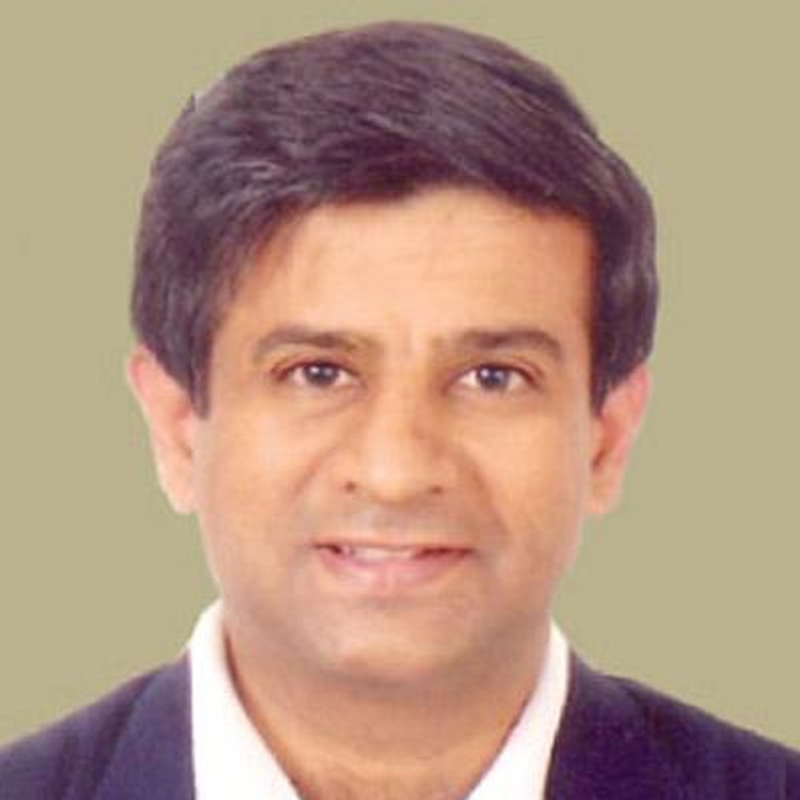
“We are in talks with a few other (production) studios in India but nothing finalised yet. As we are still in an observation phase, we are seeing a gap in local language content available on broadcasters’ apps. Such content or programming is not available on other neutral platforms too. That is the gap we are looking (at filling),” said Hooq India managing director Salil Kapoor.

Though Kapoor refused to comment on investment plans, entertainment industry sources indicated that in the first phase Hooq is likely to spend up to $ 2 million in Indian original content, a plan that’s similar to what the company proposes to do in some other Asian countries too.
Apart from Hollywood content, Hooq has presently sourced Indian films and shows from studios like Rajshri Productions, Reliance Entertainment, Shemaroo Entertainment, Balaji Telefilms and Whacked Out Studios. With the cost of making original English language shows high, the platform is considering Hindi and other Indian language content.
For the OTT platform, consumption of its service in the four south Indian states of Kerala, Andhra Pradesh, Tamil Nadu and Karnataka is high and an area of focus in terms of content and expanding subscriber base.
Though the Indian OTT market is still in an early stage in terms of revenue generation and subscriber base, Hooq has priced its monthly subscription at Rs 199 in a price sensitive market where high data charges and indifferent bandwidth are also major challenges for an OTT player. New subscribers are offered a seven-day trial package for free.
Interestingly, all the investors of Hooq have other investments too in India. SingTel is a major investor in telco Bharti Airtel, while both Sony Pictures TV and Warner Bros. have separate businesses running in India. Hooq presently operates in the Philippines, Thailand and India with a population footprint of over 1.4 billion people.
India, which as per a Media Partners Asia report could gain in APAC online video segment owing to China’s restrictive policies, has seen some global digital players setting up shop with significant initial investments in the OTT/VOD eco-system.
Netflix, for example, has earmarked $5 billion for content creation and acquisition for 2016 calendar period. Chinese Internet conglomerate LeEco is likely to invest nearly $1.5 billion in media-entertainment industry for content aggregation. Amazon Prime, according to media reports, plans to invest $300 million in funding movies and television series in India and is in talks with Bollywood studios.
Apart from global players, local players too have lined up significant investments in content for online video services. This includes Star India, Viacom18, Sony India, Savvn, Zee, Times of India group and Arre. Mukesh Ambani-controlled Reliance Industries has plans to pump in $17 billion in the Reliance Jio eco-system to build a platform that is aimed at taking Indians to live the digital life with cutting-edge services and quality content.







iWorld
OpenAI hits back at Elon Musk’s lawsuit ahead of trial
Company calls claims “baseless” and accuses Musk of trying to disrupt a rival.
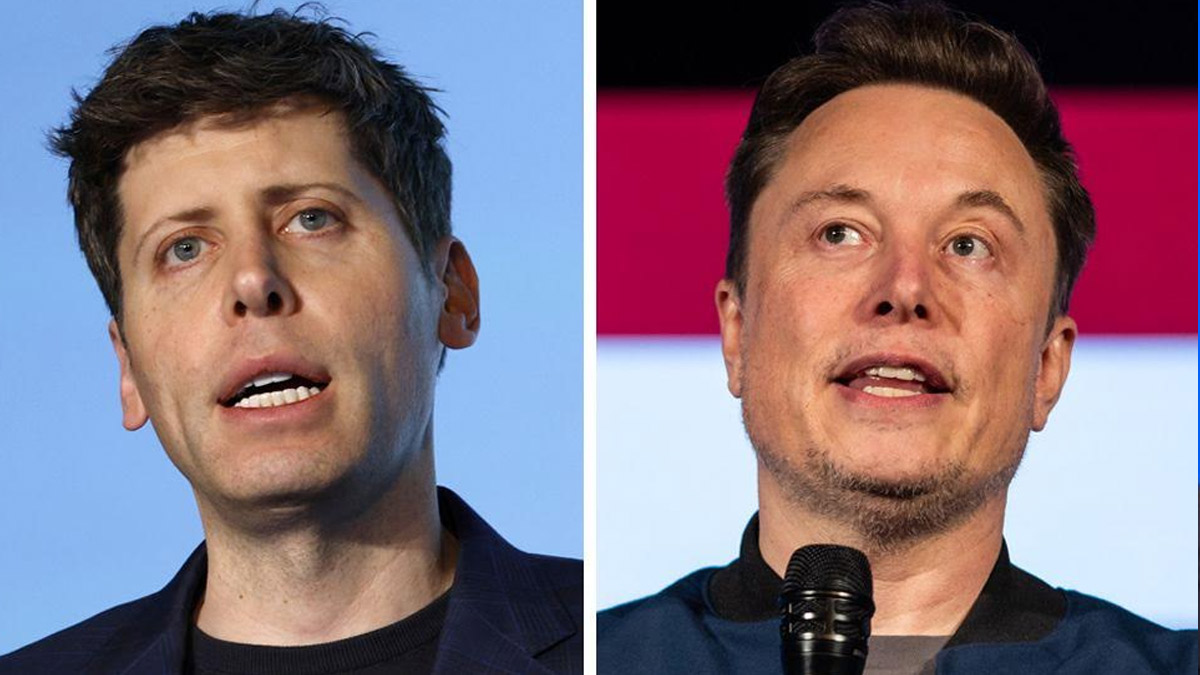
MUMBAI: When the stakes are measured in billions and egos are involved, even Silicon Valley titans can turn a courtroom into a battlefield. OpenAI has issued a sharp public response to Elon Musk’s ongoing lawsuit, accusing the billionaire of filing the case to harass a competitor rather than address genuine concerns. In a strongly worded statement shared on its official X account, OpenAI described Musk’s allegations as “baseless” and suggested the lawsuit is an attempt to disrupt the company as the case heads toward trial later this month in Oakland, California.
The response comes after Musk’s legal team recently amended the complaint, proposing that any damages potentially exceeding $150 billion should go to OpenAI’s nonprofit entity rather than to Musk personally. OpenAI questioned the timing and motive behind this change, calling it a late-stage attempt to “pretend to change his tune” on the nonprofit structure.
The company further labelled the lawsuit a “harassment campaign”, arguing that Musk’s actions are driven by personal rivalry, ego, and a desire for greater control and financial upside.
At the heart of the dispute is Musk’s claim that OpenAI has abandoned its original nonprofit mission of developing artificial intelligence for the benefit of humanity. A co-founder who left in 2018, Musk is seeking governance changes, including the removal of CEO Sam Altman from the nonprofit board, and the return of certain financial gains linked to Altman and President Greg Brockman.
OpenAI has firmly rejected these allegations, maintaining that its current hybrid structure, a public-benefit corporation overseen by a nonprofit parent remains true to its long-term goals. The company has also previously accused Musk of anti-competitive behaviour aimed at weakening its leadership.
As the case prepares for a jury trial, this public exchange highlights the deepening rift between two of the most influential figures in the AI revolution and raises broader questions about governance, mission, and power in the fast-moving world of artificial intelligence.
In the high-stakes game of AI, it seems the real drama isn’t just inside the models, it’s playing out in courtrooms too.






