iWorld
HOOQ India’s new MD Salil Kapoor bets big on glocal strategy

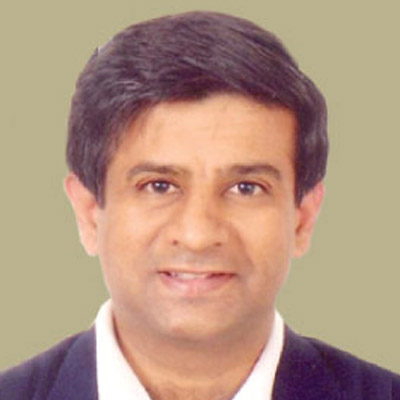
MUMBAI: Global OTT player HOOQ, which forayed into India earlier this year, has made its first big move forward. The platform has roped in industry veteran Salil Kapoor as managing director to handle its India operations.
At a time when Indian companies are also firming up with the OTT strategy and keeping the impeding launch of Netflix in the Indian market, Kapoor’s appointment may well be a strategic move to tackle the competitive scenario. Kapoor, who is betting big on glocal content as the way forward for HOOQ, tells Indiantelevision.com, “My primarily role will be to establish the India operations. We will set up a new team and after we have achieved targets set for the Indian market, we will foray into neighbouring countries.”
HOOQ follows a subscription based video on demand (SVOD) revenue model and has recently inked content deals with the likes of Sun TV and Saregama India, which includes content in South Indian languages of Tamil, Telugu, Malayalam and Kannada as well as Hindi.

“We will be looking at many other such partnerships, our end goal is to create a strong portfolio comprising Bollywood, Hollywood and regional content for our subscribers,” asserts Kapoor.
Moreover, the platform will not just be limiting itself to acquisitions, but will also looking at creating original content.
Reliance Jio, with the employee launch of its 4G services, has rejuvenated the entire OTT fraternity. Bandwidth has been a teething issue for the sector and Reliance Jio Infocomm’s 4G services has raised the hopes of one and all. “What Reliance Jio is doing is great indeed. But it will have a holistic impact. Now other telecom players will also do something or the other and at the end of the day, data price will go down. So I think good days are ahead when it comes to bandwidth,” says Kapoor.
The freemium revenue model is something that experts are talking about aggressively in the Indian scenario. In the freemium model, premium content is put on a subscription model, while old content can be accessed for free. At this stage, HOOQ is not looking to change its strategy. “We follow the SVOD model and at this stage we are not looking to deviate from it. It’s my second day in office and with time there will be many more developments,” adds Kapoor.
All major broadcasters now have their own OTT platforms. Star India has Hotstar, which follows an AVOD model, while ZEE’s DittoTV is a subscription based platform. Viacom18 is yet to disclose the revenue model of its platform VOOT. On the other hand, while Sony Pictures Networks’ Sony LIV follows the freemium model, during the FIFA World Cup matches, it offered all the matches for a subscription. Earlier this year, Eros International’s ErosNow also unveiled aggressive and ambitious plans for original content on its platform. Apart from broadcasters, Ronnie Screwvala, in association with Ajay Chacko and B Saikumar, has also launched an OTT platform called Arre and has a comprehensive plans drawn out for it. In a competitive scenario like this, it remains to be seen how HOOQ manages to create a niche for itself.






iWorld
OpenAI hits back at Elon Musk’s lawsuit ahead of trial
Company calls claims “baseless” and accuses Musk of trying to disrupt a rival.
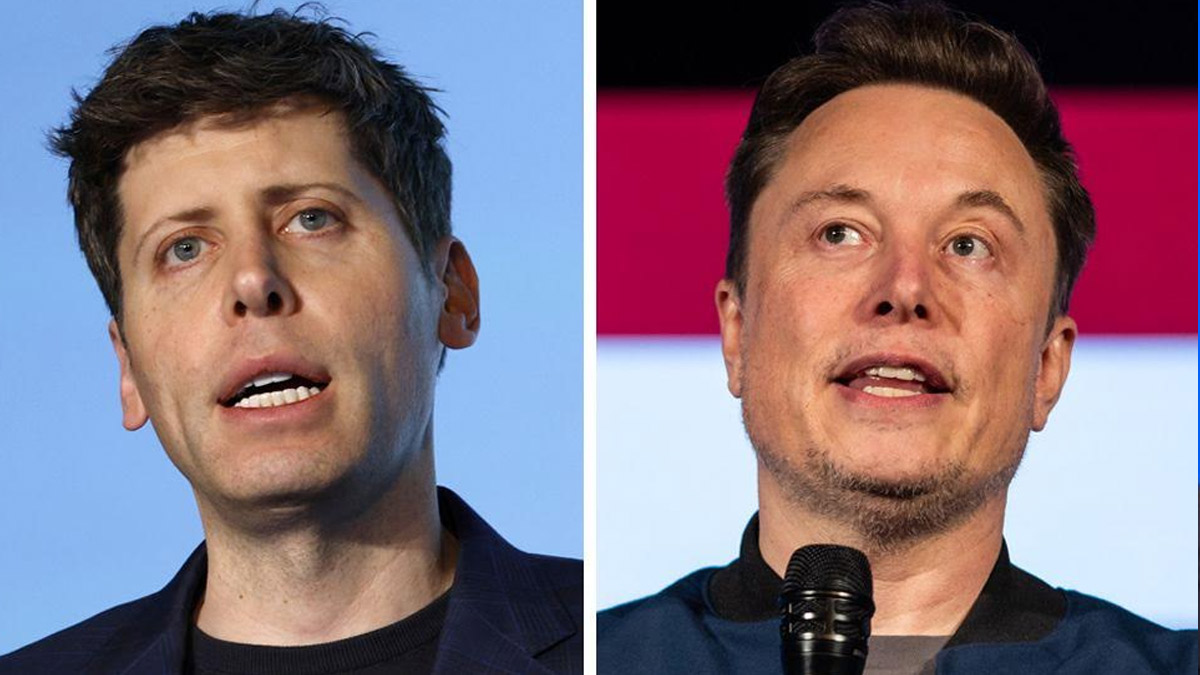
MUMBAI: When the stakes are measured in billions and egos are involved, even Silicon Valley titans can turn a courtroom into a battlefield. OpenAI has issued a sharp public response to Elon Musk’s ongoing lawsuit, accusing the billionaire of filing the case to harass a competitor rather than address genuine concerns. In a strongly worded statement shared on its official X account, OpenAI described Musk’s allegations as “baseless” and suggested the lawsuit is an attempt to disrupt the company as the case heads toward trial later this month in Oakland, California.
The response comes after Musk’s legal team recently amended the complaint, proposing that any damages potentially exceeding $150 billion should go to OpenAI’s nonprofit entity rather than to Musk personally. OpenAI questioned the timing and motive behind this change, calling it a late-stage attempt to “pretend to change his tune” on the nonprofit structure.
The company further labelled the lawsuit a “harassment campaign”, arguing that Musk’s actions are driven by personal rivalry, ego, and a desire for greater control and financial upside.
At the heart of the dispute is Musk’s claim that OpenAI has abandoned its original nonprofit mission of developing artificial intelligence for the benefit of humanity. A co-founder who left in 2018, Musk is seeking governance changes, including the removal of CEO Sam Altman from the nonprofit board, and the return of certain financial gains linked to Altman and President Greg Brockman.
OpenAI has firmly rejected these allegations, maintaining that its current hybrid structure, a public-benefit corporation overseen by a nonprofit parent remains true to its long-term goals. The company has also previously accused Musk of anti-competitive behaviour aimed at weakening its leadership.
As the case prepares for a jury trial, this public exchange highlights the deepening rift between two of the most influential figures in the AI revolution and raises broader questions about governance, mission, and power in the fast-moving world of artificial intelligence.
In the high-stakes game of AI, it seems the real drama isn’t just inside the models, it’s playing out in courtrooms too.






