iWorld
Holy Soundwaves, Shaktimaan’s Back on Air with Pocket FM

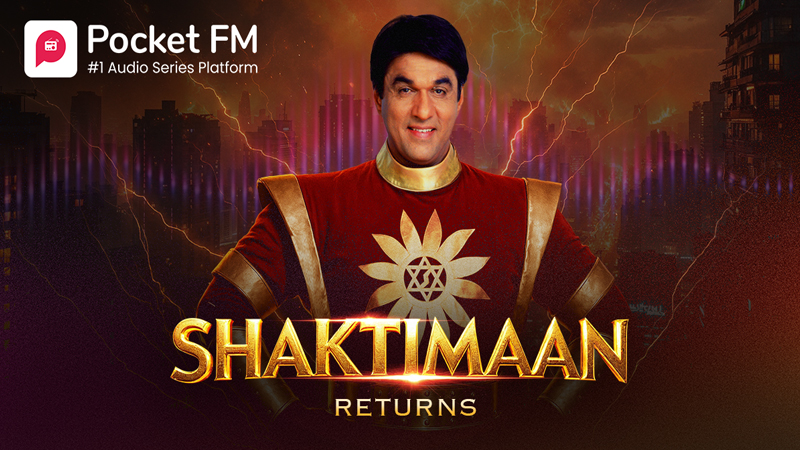
MUMBAI: The power of truth, the sound of justice and a voice that can still stop villains in their tracks. India’s original superhero, Shaktimaan, has returned not on TV, but through the airwaves with Pocket FM’s 40-episode audio series Shaktimaan Returns, streaming free for all listeners.
It’s not just a reboot; it’s a revival wrapped in sound, heart, and nostalgia. Backed by Mukesh Khanna, the original creator and face of Shaktimaan, the series reimagines the iconic hero for the streaming age complete with cinematic sound design, a 10-hour-long immersive experience, and a storyline that’s as timely as it is timeless.
This time, Shaktimaan isn’t just fighting the usual rogues’ gallery. His newest nemesis is mankind’s oldest foe greed. In this environmental thriller, the superhero takes on Mahatatva, a corrupted guardian of balance who wants to restore harmony to Earth by extreme means. To save humanity, Shaktimaan must find five mystical Manis of Elements each holding the power of nature itself and rediscover that real strength comes from compassion, not chaos.

Pocket FM’s production is a masterclass in nostalgia with a purpose. Familiar names Gangadhar Shastri, Gita Vishwas, Mahatma, and TRP Baba return to the soundscape, breathing life into one of India’s largest audio superhero productions to date. With its blend of adrenaline, moral lessons, and a cinematic soundscape, Shaktimaan Returns is both a tribute and an evolution.
“For many of us, Shaktimaan was the first hero we truly believed in,” said Pocket FM CEO and co-founder Rohan Nayak. “This isn’t just a 90s reboot, it’s a reawakening of Indian heroism told through modern storytelling. The world has long looked to the West for superheroes, but India’s legends are rooted in values and imagination. Shaktimaan’s comeback is proof that Indian icons can evolve and still inspire.”
For Mukesh Khanna, the man who first wore the maroon cape, the project feels like coming home only this time, to a new medium. “Shaktimaan was created to inspire truth, selflessness, and courage in young minds,” Khanna said. “Pocket FM has reimagined it beautifully. They’ve preserved the essence while giving it a new voice. It’s heartening to know Shaktimaan still lives in a form today’s generation can connect with.”
But Pocket FM didn’t stop at nostalgia, they added a cheeky wink. To celebrate the launch, the platform dropped a viral brand film titled “Distressed Villains”, starring Bollywood’s most iconic 90s baddies Gulshan Grover, Ranjeet, Shehzad Khan, Shahbaz Khan, and Surendra Pal (yes, Tamraj Kilvish himself). The clip shows the villains in panic mode as they learn of Shaktimaan’s return, reviving the classic one-liners from “Andheraa…” to “By God!” in a laugh-out-loud reunion of Indian pop culture.
“We wanted to celebrate Shaktimaan’s return in a way that’s fun and full of nostalgia,” said Pocket FM SVP and head of brand marketing Vineet Singh. “Who better to react than the very villains who made our childhoods so entertaining? It’s not just a campaign; it’s a time machine for every 90s kid.”
As Shaktimaan Returns takes flight on Pocket FM, it marks a new milestone for Indian storytelling where superheroes no longer just leap across screens but echo through speakers, powered by imagination and audio innovation.
Because whether it’s 1998 or 2025, when darkness rises, the light and the legend of Shaktimaan always returns.







iWorld
OpenAI hits back at Elon Musk’s lawsuit ahead of trial
Company calls claims “baseless” and accuses Musk of trying to disrupt a rival.
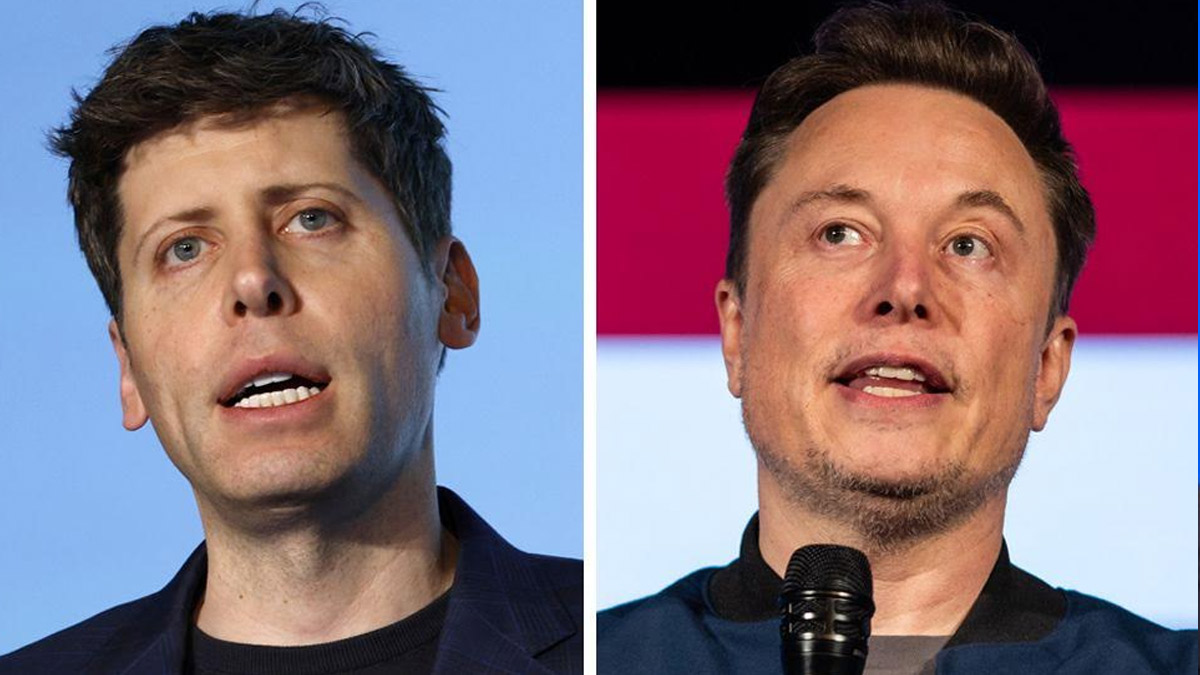
MUMBAI: When the stakes are measured in billions and egos are involved, even Silicon Valley titans can turn a courtroom into a battlefield. OpenAI has issued a sharp public response to Elon Musk’s ongoing lawsuit, accusing the billionaire of filing the case to harass a competitor rather than address genuine concerns. In a strongly worded statement shared on its official X account, OpenAI described Musk’s allegations as “baseless” and suggested the lawsuit is an attempt to disrupt the company as the case heads toward trial later this month in Oakland, California.
The response comes after Musk’s legal team recently amended the complaint, proposing that any damages potentially exceeding $150 billion should go to OpenAI’s nonprofit entity rather than to Musk personally. OpenAI questioned the timing and motive behind this change, calling it a late-stage attempt to “pretend to change his tune” on the nonprofit structure.
The company further labelled the lawsuit a “harassment campaign”, arguing that Musk’s actions are driven by personal rivalry, ego, and a desire for greater control and financial upside.
At the heart of the dispute is Musk’s claim that OpenAI has abandoned its original nonprofit mission of developing artificial intelligence for the benefit of humanity. A co-founder who left in 2018, Musk is seeking governance changes, including the removal of CEO Sam Altman from the nonprofit board, and the return of certain financial gains linked to Altman and President Greg Brockman.
OpenAI has firmly rejected these allegations, maintaining that its current hybrid structure, a public-benefit corporation overseen by a nonprofit parent remains true to its long-term goals. The company has also previously accused Musk of anti-competitive behaviour aimed at weakening its leadership.
As the case prepares for a jury trial, this public exchange highlights the deepening rift between two of the most influential figures in the AI revolution and raises broader questions about governance, mission, and power in the fast-moving world of artificial intelligence.
In the high-stakes game of AI, it seems the real drama isn’t just inside the models, it’s playing out in courtrooms too.






