Hindi
Hindi films dominate the 61st National Film Awards

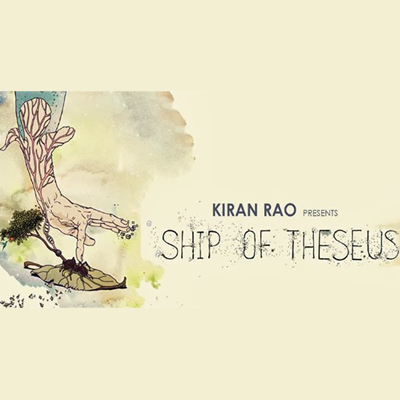
NEW DELHI: The highly acclaimed film ‘Ship of Theseus’ in Hindi and English which has already won several awards overseas was declared the best film of 2013 in the 61st National Film Awards, while Hansal Mehta bagged the award for best director for his Hindi film ‘Shahid’.
The best actor award was shared by Raj Kumar of ‘Shahid’ and Suraj Venjaramoodu for the Malayalam film ‘Perariyathavar’ by Dr Biju which also bagged the award for the best film on environment/conservation.
The best actress award went to Geetanjali Thapa for her role in the Hindi film ‘Liar’s Dice’, while the supporting actor went to Saurabh Shukla for ‘Jolly LLB’ in Hindi. The supporting actress award was shared by Amruta Subhash in the Marathi film ‘Astu’ and Aida El-Kashief in ‘The Ship of Theseus’. The best children’s film was ‘Kaphal’ by Bahul Mukhtiar in Hindi while the best child artiste award was shared by Somnath Avghade of ‘Fandry’ in Marathi and Sadhana of the Tamil ‘Thanga Mangal’.
Hindi films once again dominated the National Film Awards by getting as many as fifteen awards among feature films. Marathi came next with ten awards followed by Bengali with six and Tamil and Kannada with five each and Malayalam with four.
However, the highest number of awards went to the Bengali film ‘Jaatishwar’ which won awards for best female playback for Rupankar and the film ‘e tumi kemon tumi’, best costume for Sabarni Das, best make-up for Vilram Gaikwad (for hero Prosenjit) and Kabir Suman for best musical score.
‘Bhag Milkha Bhag’ by Rakeysh Omprakash Mehra bagged the award for the most popular film providing wholesome entertainment. ‘Fandry’ got the Indira Gandhi Award for best directorial debut by Nagraj Manjule, the Nargis Dutt award for national integration for Balu Mahendra’s tamil film ‘Thalaimuraigal’ and the social issues award went to the Marathi ‘Tuhya Dharma Koncha’ by Satish Manwar.
All the films will get awards ranging between Rajat Kamal and Swarna Kamal and Rs 50,000 to Rs 2.5 lakh.
The best non-feature film is ‘Rangabhoomi’ in Hindi by Kamal Swaroop for Films Division and best debut director for shorts is Christo Tomy of SRFTII for the Malayalam ‘Kanyaka’, with Pranjal Dua getting the best direction award for ‘Chidhiya Udh’ without dialogues.
The Telugu ‘Cinema Ga Cinema’ by Nandagopal got the best book on cinema award while English critic Alaka Sahani got the best critic award.
The feature jury was headed by Saeed Akhtar Mirza, the non-feature by Reena Mohan and the book jury by Sharad Dutt.
The Dadasaheb Phalke Award and the National Film Awards are expected to be given on 3 May to coincide with the release of Phalke’s ‘Raja Harishchandra’ on that day in 1913.